






Food industry trends in 2026 will be guided new consumer preferences, smarter tools, and a push for meaningful innovation. The global food landscape continues to expand as consumers demand healthier, more sustainable, and more innovative options.
According to Precedence Research, the global organic food market has surged to approximately USD 228.35 billion in 2024, with forecasts pushing it toward USD 254.84 billion in 2025, one of the fastest-growing segments in today’s food industry. Meanwhile, broader grocery retail continues its steady rise; projections from The Business Research Company show the global food & grocery retail market on track to reach USD 14.48 trillion by 2029, reflecting sustained global demand and evolving consumer expectations.
This is a sharp rise from earlier years and one of the fastest-growing segments in the industry. With AI and real-time data, brands are no longer guessing. They’re making faster, more accurate decisions based on what people actually want to eat and buy.
Food industry trend overview
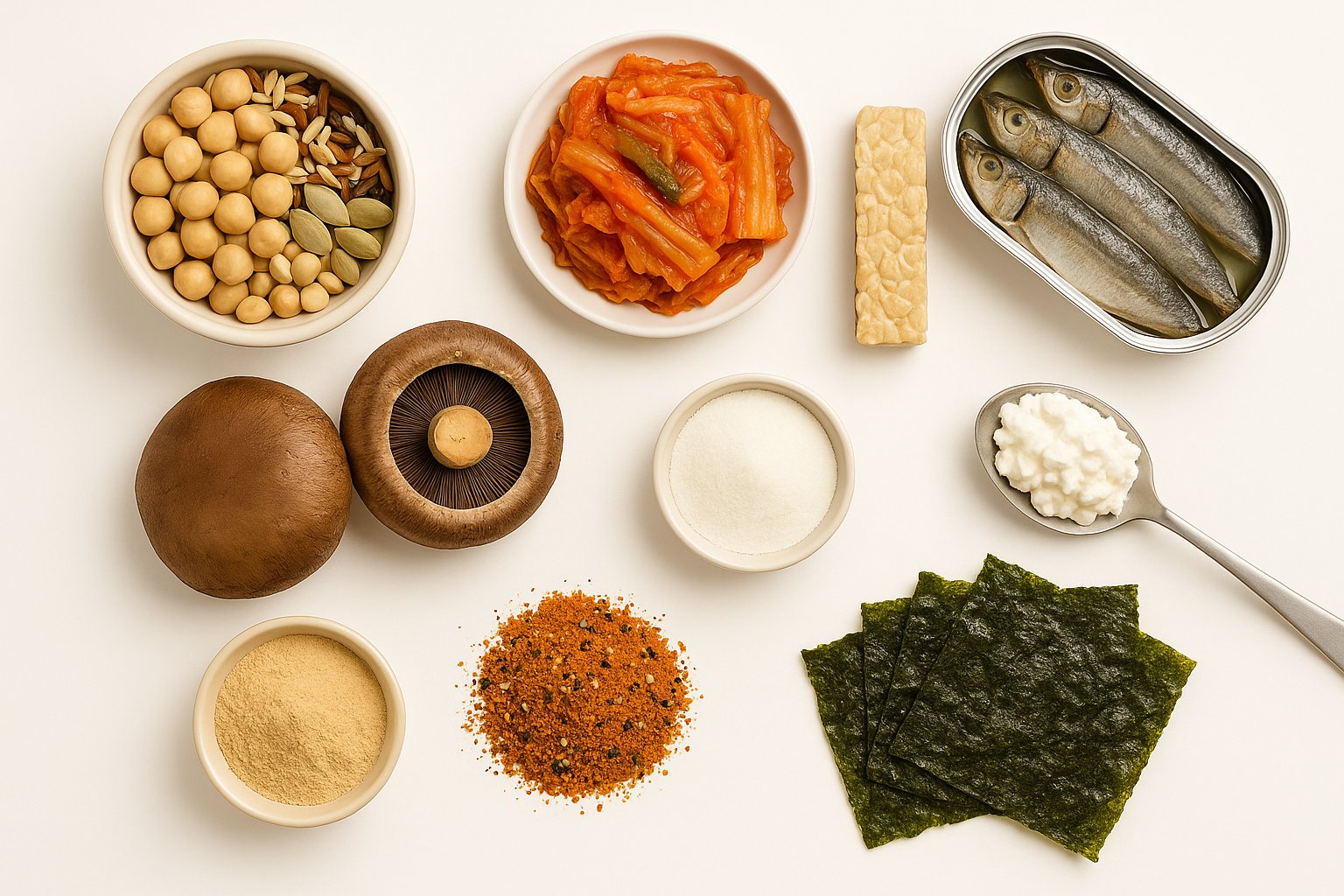
Tastewise organizes food industry trends into key categories that reflect real consumer behavior. These include raw ingredients, prepared meals, beverages, desserts, snacks, savory dishes, and meat and seafood. Each category surfaces what’s rising, what’s fading, and what brands need to know to stay relevant.
Emerging food trends indicate a shift in consumer values toward health, sustainability, and global impact. Functional foods are gaining momentum, especially those offering benefits like energy support, gut health, and immunity. Zero waste trends highlight the growing demand for sustainable practices, from upcycled ingredients to circular production. Meanwhile, plant-based innovation continues to expand, with an emphasis on improved taste, international flavors, and better-for-you formulations. These trends reflect a broader move toward purposeful, benefit-led eating.
Monitor emerging food industry developments
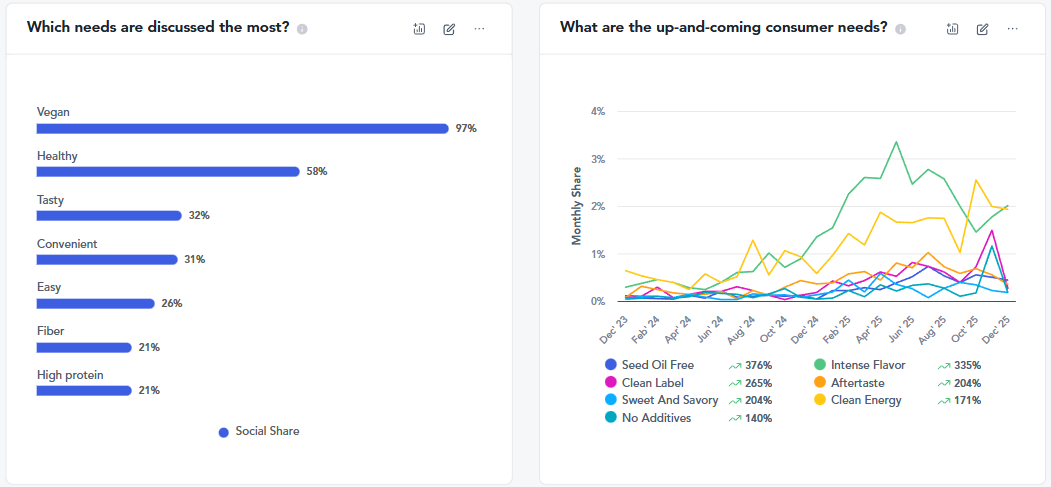
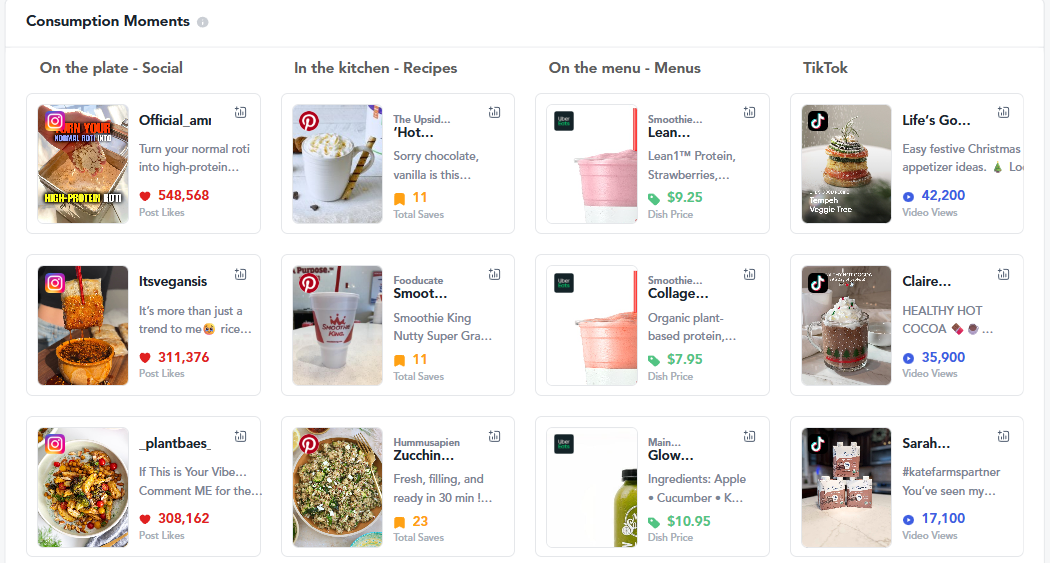
Forget waiting on stale reports. With GenAI platforms like Tastewise, brands can spot what’s rising, track what’s falling, and take action right away. You see what’s happening across social media, home kitchens, menus, and even store shelves. The result? Quicker reactions and better outcomes.
Popular ingredients and flavors driving food industry trends
Tastewise survey data highlights what’s resonating most with today’s eaters:
Plant-based proteins
People want plant-based options that feel real and simple. Think legumes, mushrooms, and seeds, not just another ultra-processed burger. Surveys show that authenticity and whole ingredients matter more than ever.
Fermented ingredients
Foods like kimchi, tempeh, and kefir are having a moment. Why? Because gut health is top of mind. Fermentation links health benefits with a sense of heritage and care.
Adaptogens and functional herbs
Ashwagandha, maca, and other functional ingredients are gaining traction, especially with younger shoppers. These additions speak to stress support, mental clarity, and daily balance.
Global spices and fusion flavors
Flavors with a point of view are rising. From shichimi togarashi to berbere, cross-cultural blends bring excitement and personal meaning to meals.
Natural sweeteners and alternatives
With concern over sugar still high, people are turning to monk fruit, allulose, and stevia. These sweeteners offer a lighter option without compromising taste.
Use case scenarios: practical applications of AI in food trend prediction
Brands are applying AI to convert early demand signals into operational decisions. One common application is forecasting near-term demand swings for specific ingredients and formats: when models detect sustained momentum, teams can adjust production schedules and reorder points before retail volatility hits.
That typically translates into fewer out-of-stocks during peak weeks and lower write-offs from over-ordering, with inventory efficiency improvements in the ~10–20% range depending on category volatility.
A second application is claim and concept validation prior to scale. Instead of treating “functional” as one bucket, AI can model which benefit-message combinations convert by audience and channel, then simulate performance across price bands and pack formats.
The output is a clearer go/no-go decision and tighter positioning, reducing the chance of launching a product that needs to be reworked after it hits shelves.
A third application is identifying which foodservice signals are retail-transferable. By clustering menu adoption patterns and cross-checking them against consumer engagement and at-home behavior, AI can separate one-off novelty from repeatable demand.
Teams then build a buyer-ready case around expected velocity and assortment fit, improving distribution win rates and shortening the path from signal detection to shelf execution.
By validating benefit positioning before national rollout, Tastewise enables teams to enter retailer conversations with evidence-backed claims rather than post-launch corrections.
Consumer behavior
Tastewise’s Dining Decisions Survey found that 63.8% of people care most about freshness when dining out, followed by indulgence at 49.6%. Younger consumers value uniqueness and presentation, while older groups focus on nutrition and price.
Global food and beverage inspirations to watch
Tastewise’s 2026 Forecast identifies high-impact patterns shaping food worldwide. Snack-style seafood, hormone-friendly condiments, and texture-driven meals are redefining what it means to eat well, not just what ends up on the plate.
Top ingredients by popularity
What’s on people’s radar?
- Mushrooms: functional and flavorful
- Sardines: nutrient-dense and sustainable
- Seaweed: packed with umami and environmentally smart
- Cottage cheese: still winning in the high-protein snack game
Top claims shaping food industry trends
Today’s labels go beyond buzzwords. Consumers are drawn to:
- Gut health
- Hormone balance
- GLP-1 support
- Mental clarity and steady energy
- Allergen-friendly and low-sugar formats
Want to learn more about GLP-1 food trends?
Consumers increasingly associate food with broader wellness benefits, and Tastewise survey data reflects that shift clearly. In the “Rethinking Healthy” survey, 38.37% of respondents say they choose foods labelled “healthy” to support gut and digestive health, making it one of the most important wellness drivers today.
Meanwhile, 7.79% specifically look for foods that help balance hormones, showing that although this benefit is less common, it still represents a meaningful niche within the wellness space.
Additional Tastewise surveys, such as the Hydration & Wellness Preferences Survey, reinforce these patterns by highlighting strong interest in probiotics, prebiotics, and other gut-supporting ingredients. Together, these insights show that gut health remains a top consumer priority, with hormone balance emerging as an early but growing area of interest in functional foods and beverages
How to use food industry data for product and menu innovation
Tastewise doesn’t just give you data. It gives you a way to act on it, fast. Brands use the platform to:
- Spot early trends
- Test product ideas using real behavior, not guesses
- Generate tailored content and creative assets
- Build data-backed menus and claims that connect
Get free food trend reports with Tastewise Operator Dashboard. Want deeper insights? Tastewise delivers personalized food and beverage reports tailored to your business. It’s a smarter way to stay on top of what’s next.
FAQs about food industry trends
Consumer priorities, cultural identity, wellness goals, and digital platforms all play a role.
They guide the entire process. If people are reaching for certain flavors or benefits, products that meet those preferences will naturally succeed.
It turns assumptions into evidence. Live data from Tastewise shows what’s rising and what’s falling, giving teams the confidence to move forward.
AI connects the dots faster. Platforms like Tastewise process billions of data points to show which flavors, ingredients, and claims are gaining traction.
Personalized nutrition, globally inspired flavors, and functionality across dayparts are all poised to grow.
Tastewise offers real-time, behavior-backed insights you can act on immediately.





We’d love to learn your goals and see how Tastewise fits
We’d love to learn your goals and see how Tastewise fits
Get a personalized demo
Good taste. Wise move.
Your demo request is confirmed. We’ll reach out within one business day to schedule your walkthrough.
What happens next

See what’s driving demand, then turn it into a sell-in story for retailers and operators.
- Connect consumer panels, market trackers, and agents into one evidence view
- Get the “why” behind what’s changing, with explainable demand drivers
- Walk away with a buyer-ready narrative and next steps to activate
Trusted by





“Tastewise is my secret tool for knowing what consumers want next and why.“