





Winning the Shelf 2026 | Retail Strategy Playbook
To win the shelf in 2026, you need proof retailers can bet on.
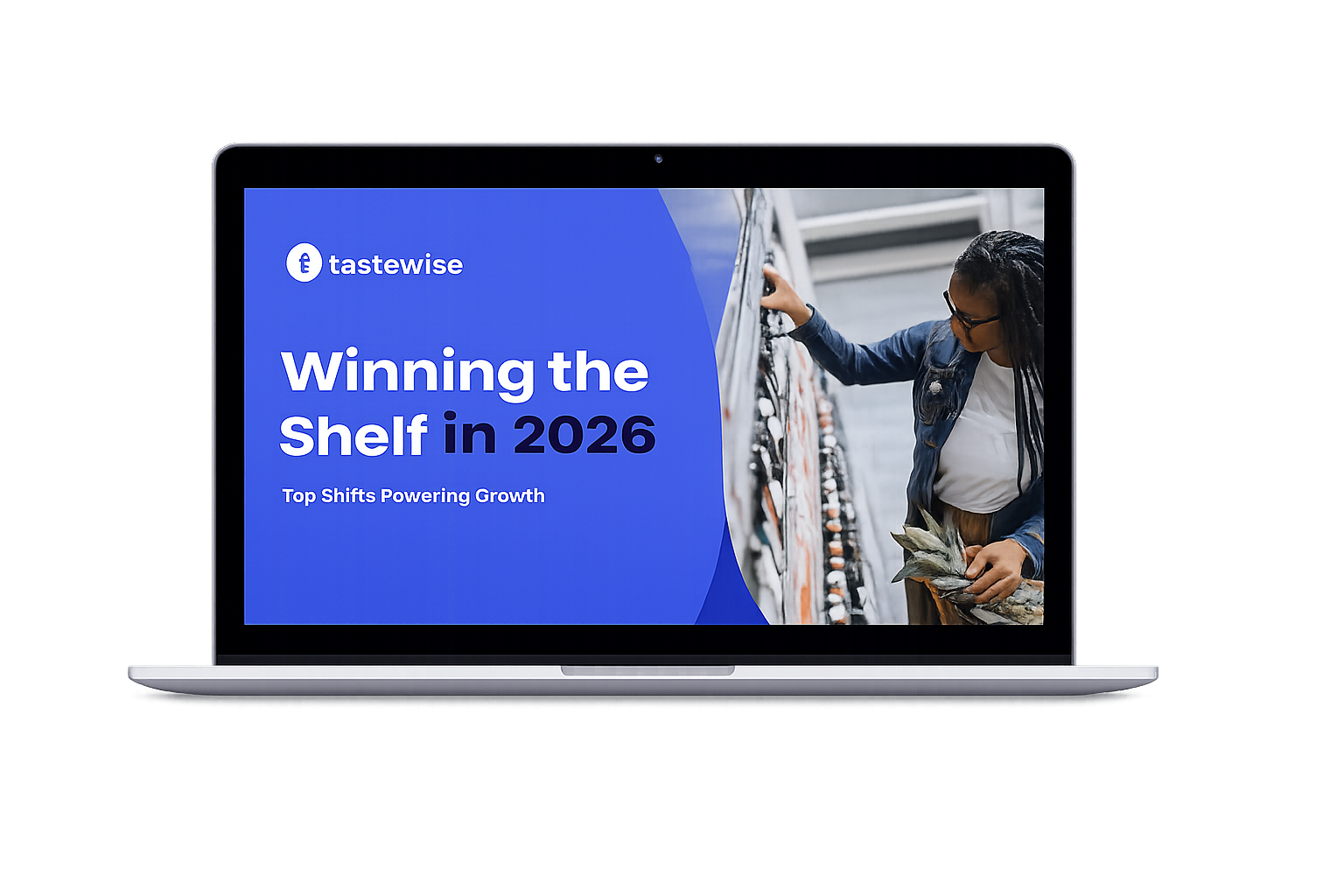
Download the Win the Shelf playbook, a retail shelf strategy guide for category, trade and shopper teams. Updated for 2026 pricing pressure, promo fatigue, and faster SKU rationalization.
clean label discussions, YoY
low-sugar retail discussions, YoY
organic in specialty retail, YoY
Winning the Shelf 2026 | Retail Strategy Playbook
Get the Winning the Shelf Playbook
What’s inside the Winning the Shelf Playbook?
-
The four things that actually make a product win
 Get it now >
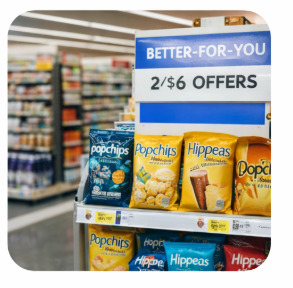
A clear way to think about shelf decisions: value, relevance, visibility, and trust. How claims, packs, and promos help a product win the three-second decision.
-
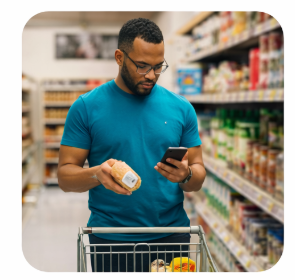
How pricing earns its keep on shelf
 Get it now >
Real examples of how brands justify price through claims, formats, bundles, and occasions—without killing velocity or relying on constant promos.
-
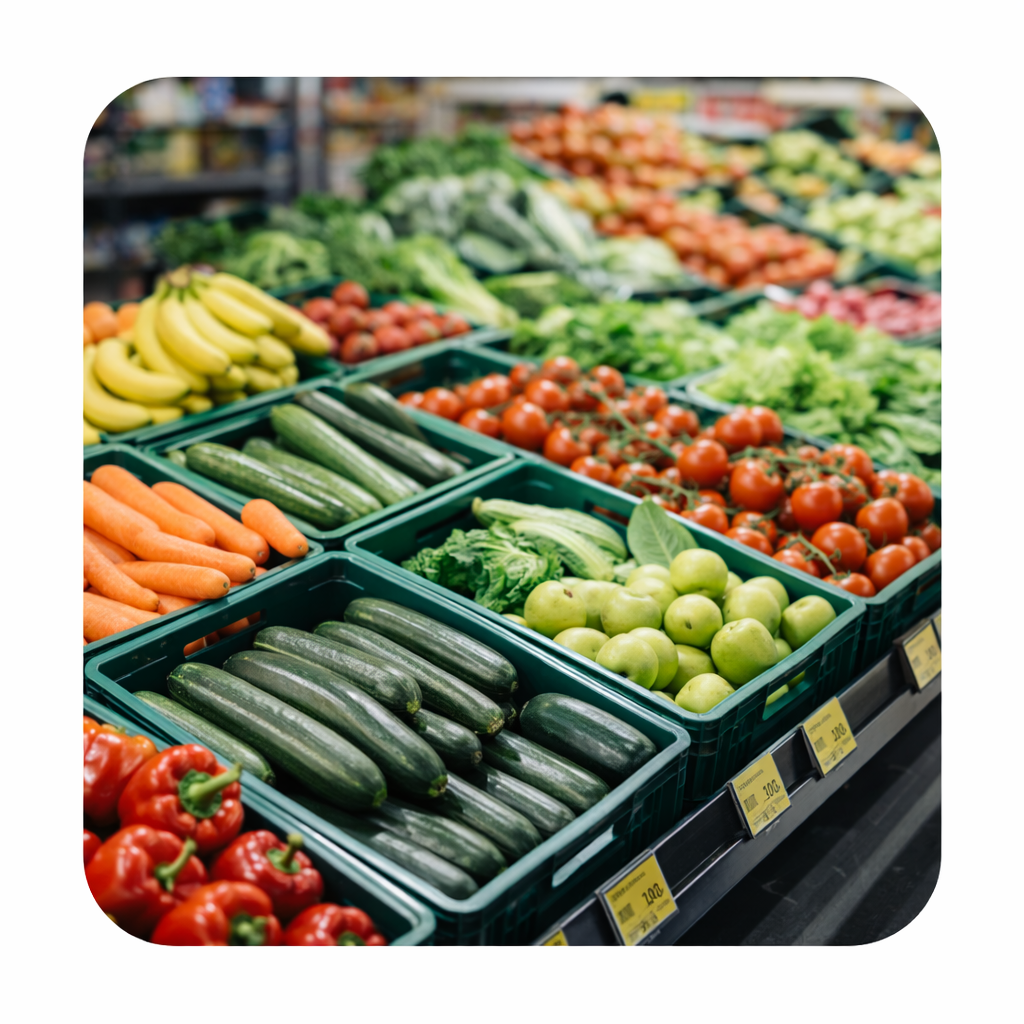
Renovate what works before launching what’s new
 Get it now >
A practical way to refresh hero SKUs using real consumer signals, one sharp promise, and proof that shows up everywhere buyers look.
-
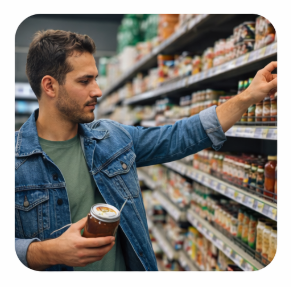
A data checklist for SKU defense
 Get it now >
What buyers actually need to see to keep an item listed: local momentum, relevance, shelf role, and proof you’re ready to activate.
Win the shelf with confidence
The Winning the Shelf 2026 Playbook gives teams clear plays for protecting SKUs, justifying price, and earning shelf space.
Why do F&B brands need to know how to win the shelf in 2026?
Winning the shelf in 2026 means proving growth while retailers cut SKUs and push private label.
This playbook gives teams the evidence they need to defend space, renovate winners, and justify price with confidence.

Retailers will always buy growth
Winning the shelf means proving your SKUs grow category sales and are worth keeping as assortments tighten.

Shelf growth comes from renovating hero SKUs
Updating claims, formats, and placement helps existing products move faster and hold space during resets.

Price only works if rate of sale holds
Visible upgrades and clear value cues help maintain velocity and basket size as pricing pressure increases.

Digital signals now affect physical shelf space
Strong online search, content, and conversion support in-store listings before POS declines appear.
How to win the digital shelf in 2026
Use the same evidence retailers respond to, pricing logic, claim relevance, and activation readiness, to strengthen both your digital shelf presence and your case for keeping, or growing, physical shelf space.
Frequently asked questions about how to win the shelf in 2026
It means making your product easy to notice and easy to choose when shoppers are deciding what to buy.
Tastewise helps teams back that choice with buyer-ready proof, showing which claims, occasions, and value cues actually drive demand.
With clear packaging, strong messaging, and products that fit real shopping needs.
Tastewise reveals the demand signals behind those needs, so teams can choose the pack cues and claim language that match how people are actually buying and using the product.
It’s how your product shows up and performs on online stores and retail platforms.
Tastewise helps teams align digital shelf content with the same value signals retailers care about, claim relevance, occasion fit, and proof that supports conversion.
Improving product pages, images, and descriptions so shoppers can find and choose your product online.
Tastewise highlights which keywords, claims, and product attributes are gaining momentum, so teams can update PDP content based on evidence, not guesses.
By keeping listings up to date, using the right keywords, and learning from performance data.
Tastewise adds the “why” behind performance, connecting demand drivers like claims, cuisines, and prep methods to what shoppers search for and choose.
Tastewise helps brands spot rising trends, understand real consumer demand, and optimize products, claims, and formats so they stand out both in-store and online.
It turns those signals into a defensible shelf story, what’s changing, what’s driving it, and what to do next, so teams can sell it in internally and to retail buyers.