







Win more operator meetings. Get on more menus
Equip your team with foodservice sales enablement powered by real-time foodservice and consumer intelligence to secure new listings, increase share of menu, and drive measurable growth.


















Foodservice sales and marketing challenges
Foodservice teams are selling into constant change: operator needs shift fast, distributors add friction, and competition stays sharp, so it becomes hard to:

- See where demand comes from, and which operators drive volume.
- Stay ahead of category and channel shifts, before the market moves on.
- Make confident menu and assortment calls, based on what operators want now.
- Arm reps and brokers with a story that lands, by segment, region, and occasion.
- Improve velocity and re-orders, with clear sell-through drivers, not trial and error.
- Replace gut feel with evidence, to move faster with less risk.
How our foodservice sales enablement works
Tastewise turns billions of real foodservice signals into clear, actionable guidance for sales, marketing, and operator teams. Here’s how advanced foodservice sales enablement software solves the core challenges and accelerates growth.
-
Foodservice market opportunity mapping
Identify the operator and distributor segments with rising demand. Our foodservice insights platform highlights where your category is gaining traction by operator type, channel, and region, so teams prioritise the accounts most likely to grow and give reps a clear “who to call this week” list.
-
Restaurant menu optimization and expanding menu mix
Help operators and sellers identify menu additions that move the needle. Live foodservice demand signals reveal trending dishes, menu gaps, and high-performing combos and add-ons, enabling recommendations that lift adoption and check size.
-
Operator and distribution sales presentations
Equip sales reps and brokers with evidence that validates why this operator, menu, and moment matter now. Real-time operator intelligence fuels pitch decks that show market trends, consumer needs, and competitor blind spots so teams secure listings faster.
-
Channel-first innovation and LTO planning
Spot flavor profiles, seasonal patterns, and formats that resonate across channels. Foodservice revenue intelligence shows what’s best-selling, what’s new, and what’s coming off menus, revealing where to play next across channels and seasons.
-
Operator marketing assets and tools
Provide operators with ready-to-use content that helps products move faster. From recipe ideas to social posts and menu highlights, the platform delivers tailored assets that make it easier for operators to feature your products, increase visibility, and drive repeat orders.






Integrations that keep you in flow
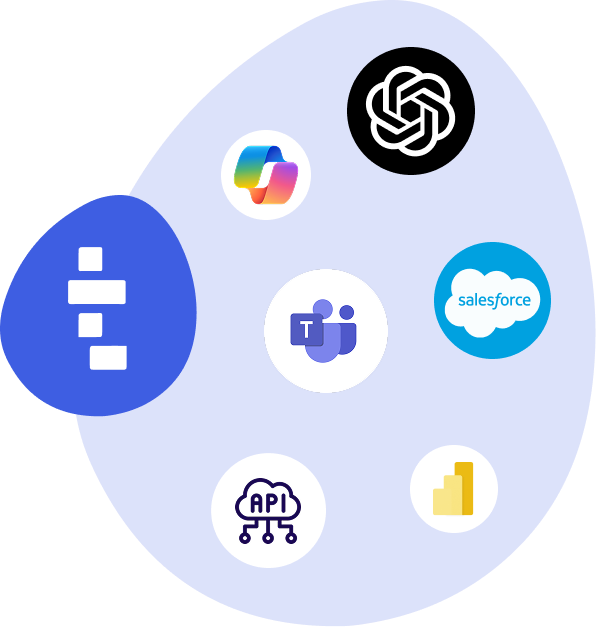
Tastewise connects to the tools your commercial teams already use, so market opportunities flow directly into account planning, sales outreach, and operator activation.
- Salesforce CRM. Sync operator intelligence with your pipeline and automate next steps.
- Microsoft Teams. Share high-value targets and menu opportunities in real time.
- API Access. Feed Tastewise recommendations into your dashboards or data warehouse.
- OpenAI / ChatGPT / Copilot. Ask questions and surface live foodservice insights through conversational interfaces.
- Power BI. Visualise growth potential and menu opportunities in your own dashboards.





Ready to focus on the right operators and win more listings?
FAQ
Foodservice sales enablement software connects trend insight with real operator opportunities. It combines menu data and consumption signals so teams can prioritize the right operators, tailor outreach, and support listings with timely, relevant stories and assets.
Look for enablement that stays tied to the real market: live operator demand by channel and region, clear “where to focus next” guidance, and workflows that fit how teams sell. It should also integrate smoothly with CRM and reporting tools.
It includes everything that helps operators promote and sell your products: menu ideas, campaign support, channel-specific concepts, and insights into what diners want. Strong foodservice marketing makes it easier for operators to move your products, which lifts reorder velocity and account spend.
Market trends in this space come from menu activity, social signals, competitive shifts and diner behavior. Trends are useful only when they are recent and tied to a specific channel or operator type. Most teams now rely on platforms that read consumption signals in real time to filter out the noise.
Revenue growth usually comes from menu penetration. When suppliers bring operators fresh recipe ideas, flavour insights, or category gaps that match real diner interest, operators add more applications and order more volume. The key is to recommend products in ways that feel natural for the operator’s concept.
It starts with seeing where demand for your category is rising. When an operator segment begins to explore a flavour, format, or product type, it becomes a stronger target. Teams that watch this movement can reach out early, before competitors pitch the same accounts.
Most teams use a mix of CRM systems, communication platforms, and insight tools. Salesforce is commonly used for managing pipelines. Teams share target accounts through Microsoft Teams or Slack. Many use consumption-signal or menu-trend platforms to guide their outreach. Data then flows into BI tools like Power BI or Looker for reporting.
The most persuasive presentations show three things: what diners care about, how the operator is currently performing, and where the competitive gaps are. When a rep can offer a story backed by real behavior instead of broad category claims, operators make decisions faster.