Launching a new food or beverage product is expensive. Media inefficiency compounds that cost quickly. Targeting “Women 25–45 interested in health” inside a Demand-Side Platform (DSP) may generate reach, but it rarely concentrates intent. As acquisition costs rise and Return on Ad Spend (ROAS) is scrutinized, broad demographic targeting becomes a liability.
In F&B marketing, a custom CPG audience is a highly segmented group of consumers built around specific dietary habits, flavor affinities, and real-time food trends, rather than just basic demographics.
For CPG marketers and brand managers, the objective is not just reach. It is relevance anchored in food consumer behavior. Building custom CPG audiences around observed culinary actions, not assumed lifestyle traits, is what allows F&B audience targeting to drive both media efficiency and stronger retailer narratives.
The Flaw in Traditional CPG Audience Targeting
Traditional audience segmentation for food brands borrows logic from categories like personal care or household goods. Those categories often correlate cleanly with life stage or income. Food does not.
Food purchasing is contextual and trend-driven. A 20-year-old urban professional and a 50-year-old suburban parent may both actively seek low-sugar botanical beverages. Demographic filters separate them. Flavor profiles and functional beverage interest connect them.
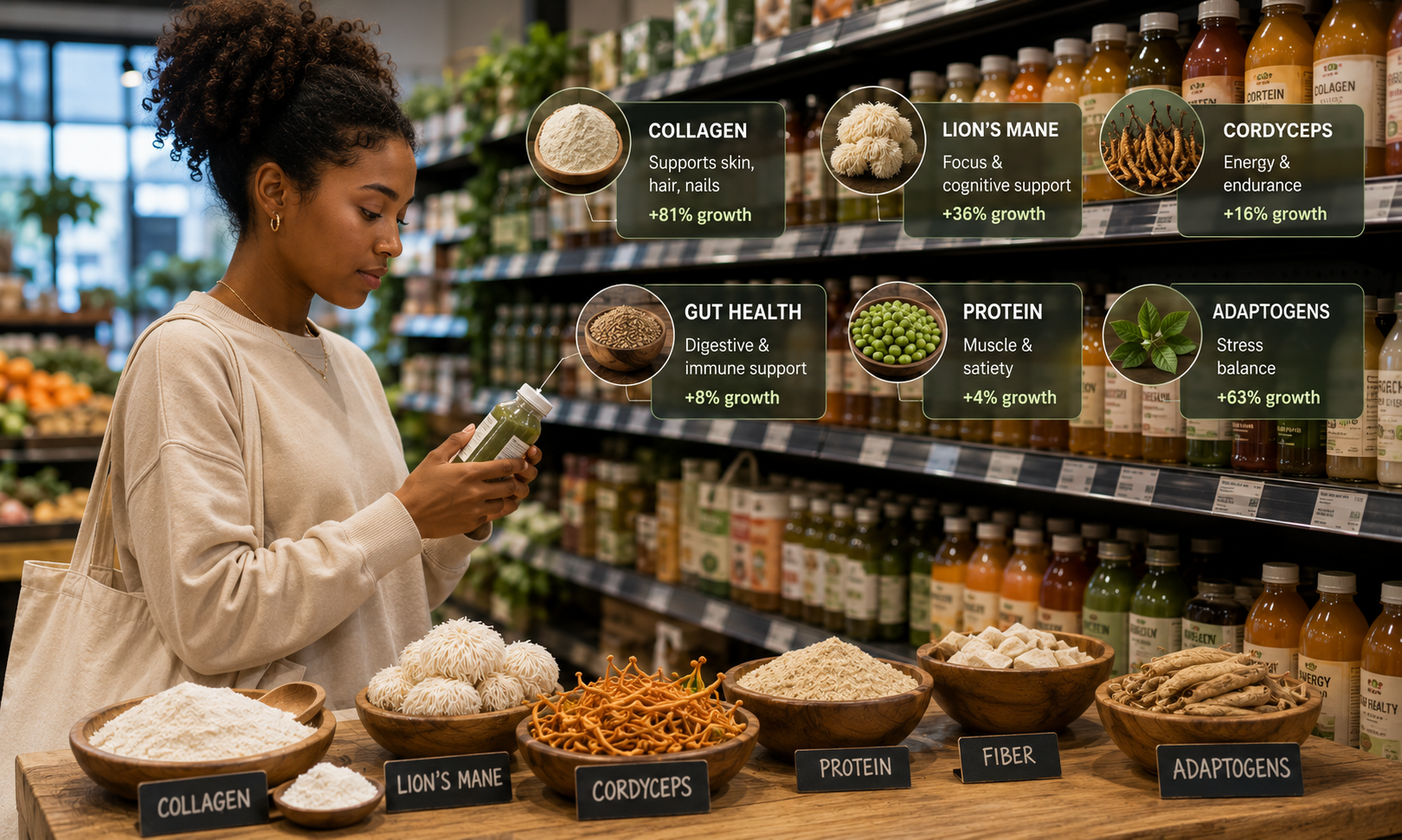
When programmatic advertising CPG strategies rely on demographic clusters, they ignore consumption intent. A consumer interested in adaptogenic drinks may not self-identify as “health-focused.” They simply engage repeatedly with hibiscus teas, magnesium mocktails, or low-glycemic soda alternatives.
The result is diluted targeting. Media platforms optimize against broad inputs. Scale increases, but conversion density decreases. CPA rises. ROAS weakens.
Retailers are evolving faster than many brands. Assortment decisions increasingly reflect menu penetration, shopper data, and predictive modeling. Bringing a broad segment into a buyer meeting does not demonstrate demand. Bringing a behavior-backed audience does.
The flaw is structural: demographic-first segmentation misses the context of consumption.
4 Steps to Build a Behavior-Driven Custom Audience
Step 1: Identify the culinary affinity
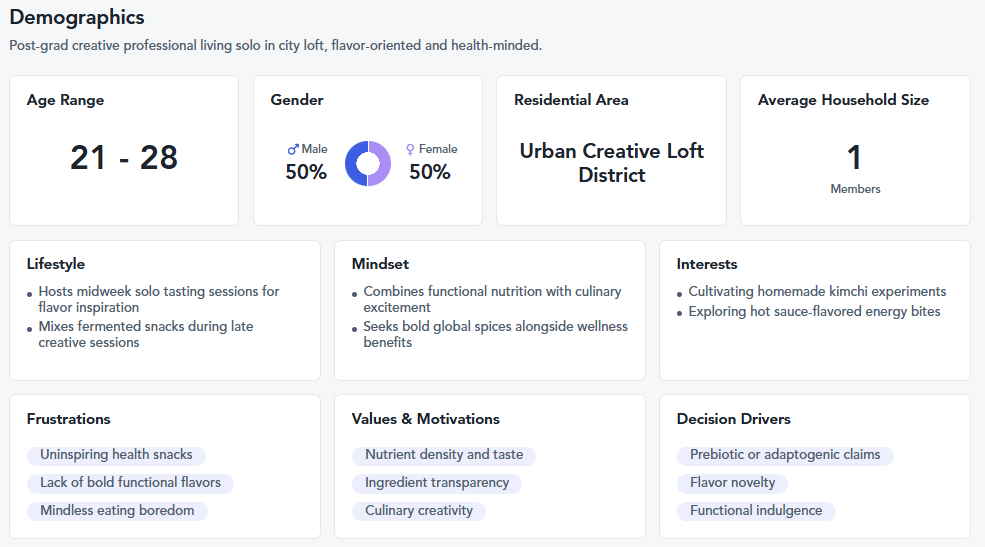
To build a custom CPG audience, start with a defined food behavior.
Instead of targeting “sports fans,” define consumers who actively search for high-protein plant-based recovery snacks, order protein-forward bowls in foodservice environments, or purchase pea-protein bars repeatedly.
Instead of targeting “young moms,” define consumers engaging with sugar-free electrolyte drinks and magnesium-based sleep beverages.
This is where dietary preferences and flavor profiles become foundational. If a seed group consistently interacts with hibiscus-based drinks, fermented ingredients, or plant-based proteins, those repeated behaviors define the audience more precisely than age or gender ever could.
The principle is simple: identify what they eat, drink, cook, and order, not who they resemble demographically.
Step 2: Source real-time F&B data signals
Behavioral precision depends on signal quality. Building custom CPG audiences requires real-time food data from multiple contexts:
- Restaurant menus and menu penetration trends
- Home recipe engagement and post-shopping behavior
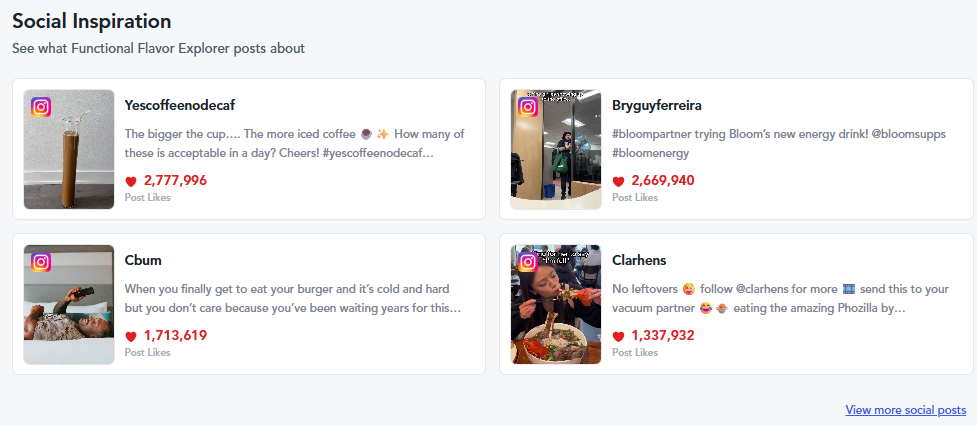
- Social food conversations
- Synthetic data validation
- Brand or zero-party data where available
If consumers are ordering fermented beverages in independent restaurants, saving kombucha recipes, and engaging with low-sugar soda alternatives, those signals form a cohesive behavioral cluster.
Unlike static survey-based segmentation, these signals change with actual consumption patterns. That matters in F&B, where ingredient momentum shifts rapidly. Menu penetration often precedes retail growth, making foodservice an early proxy for category expansion.
The goal at this stage is to define a seed audience anchored in observed repetition, not one-time engagement.
Step 3: Expand reach with AI-driven lookalikes
A common challenge in F&B audience targeting is scale. Behavioral seeds are precise but initially narrow.
This is where AI marketing tools for CPG create strategic leverage. Food-trained AI models understand flavor adjacency and consumption pathways. If the seed audience over-indexes on hibiscus beverages, the model can identify statistically significant proximity to yuzu, tamarind, or other botanical flavors. If consumers experiment with immunity drinks, they often migrate toward gut-health beverages.
This is not generic lookalike modeling. It is flavor and function-based expansion.
By understanding ingredient relationships, AI expands the custom CPG audience without diluting relevance. The result is a larger pool of high-intent consumers suitable for omnichannel campaigns, including DSP activation, retail media networks, Meta, and TikTok.
The distinction is really important: expansion is rooted in food logic, not lifestyle similarity.
Step 4: Export and Activate Across Ad Networks
Once the custom CPG audience is built, activation must be seamless.
The audience should integrate directly into programmatic advertising CPG workflows, retail media platforms, and social advertising channels. More importantly, creative messaging must reflect the behavioral logic used to define the audience.
If the audience was built around low-sugar botanical beverage experimentation, campaign claims should emphasize functional refreshment and ingredient transparency, not abstract “healthy living.”
For teams looking to operationalize this workflow at scale, a dedicated custom audience intelligence platform can centralize modeling, validation, and activation in one environment:
The operational advantage is repeatability. Instead of rebuilding segments for each campaign, brands can refine and refresh behavior-based audiences as consumption shifts.
Audience in action: targeting the “gut-health” consumer
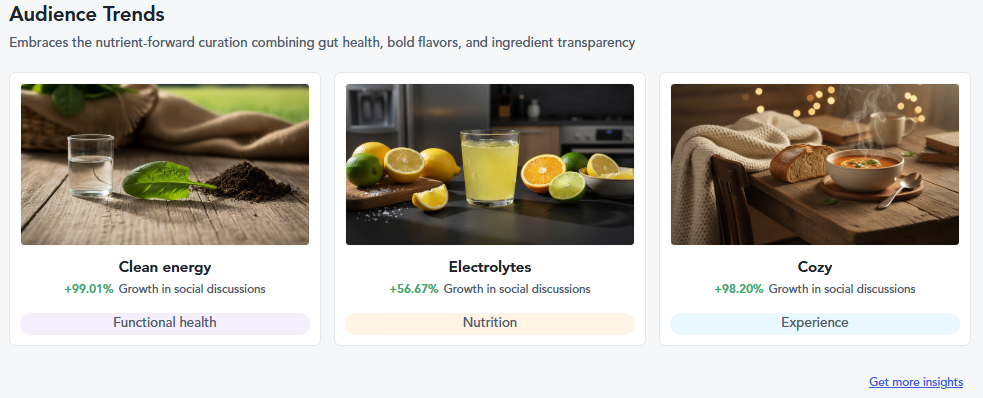
Consider a beverage brand launching a prebiotic soda.
A traditional approach would target “digestive health shoppers” within a DSP, layering in wellness interests and broad demographic filters.
A behavior-driven custom CPG audience would instead include consumers who:
- Recently engaged with kombucha recipes
- Ordered fermented foods or beverages in restaurants
- Discussed sugar-free soda alternatives
- Purchased fiber-forward ingredients
This cluster signals substitution behavior. These consumers are not simply interested in digestive health; they are actively replacing traditional soda with functional alternatives.
Campaign messaging shifts accordingly. The product is positioned as a soda replacement with added functional benefits, not a niche wellness beverage.
The commercial impact is measurable. Higher intent concentration lowers Cost Per Acquisition (CPA). Relevance improves ROAS. Retailer conversations focus on demonstrable consumer migration rather than abstract trend claims.
This is the difference between audience segmentation for food brands and audience conviction for commercial growth.
Upgrade your campaign targeting today
F&B audience targeting must evolve alongside food consumer behavior. When segmentation is static and demographic, ad spend disperses. When it is grounded in real-time culinary behavior, performance stabilizes. In today’s fast-moving food industry, your ad targeting needs to be as innovative as your product. Stop guessing and start converting. Learn more about how the Tastewise custom F&B audiences platform can supercharge your next product launch.
FAQs about Tastewise custom F&B audiences
Custom CPG audiences concentrate media spend around high-intent consumers. By anchoring targeting in observed food behavior rather than broad demographics, brands improve ROAS, reduce wasted impressions, and strengthen retailer sell-in with defensible shopper evidence.
AI analyzes billions of real-world food data points, including ingredient engagement, menu trends, and behavioral patterns, to predict consumer affinities. Instead of relying on outdated surveys, AI marketing tools for CPG detect statistically significant relationships between flavor profiles, dietary preferences, and purchase behavior, enabling more precise and scalable F&B audience targeting.