





The Super Bowl is the single largest food consumption moment in the US calendar. It concentrates demand, accelerates trial, and sets expectations that ripple into Q1 and beyond. For CPG brands and retailers, planning for Super Bowl food trends is commercial planning.
This year’s Super Bowl consumption data points to a clear change. Hosting is moving toward permissible indulgence. Consumers are choosing premium flavors, clearer labels, and flexible formats while keeping the party feel intact. The volume is still there. The behavior is more intentional.
How inflation is reshaping the game day spread
Game day food statistics show that price sensitivity is shaping decisions, but it is not driving a race to the lowest price. Shoppers are prioritizing value-added formats that justify spend through convenience, portioning, and perceived quality.
Private label continues to gain share during holiday periods, including Super Bowl weeks, especially in core hosting categories. At the same time, brand loyalty holds when products clearly earn their place through flavor payoff, bundle logic, or hosting utility. This creates a rationalization moment for category teams. SKUs that feel interchangeable struggle. SKUs that solve a hosting job perform.
For portfolio planning, this is a signal to evaluate which items support group occasions and which rely on everyday habits. Super Bowl becomes a filter for deciding what deserves seasonal amplification and what should quietly step back.
Top categories driving growth
Super Bowl food trends continue to center on familiar anchors. Wings, pizza, dips, snacks, and beverages still carry the bulk of volume. What has changed is how these categories show up and where demand originates.
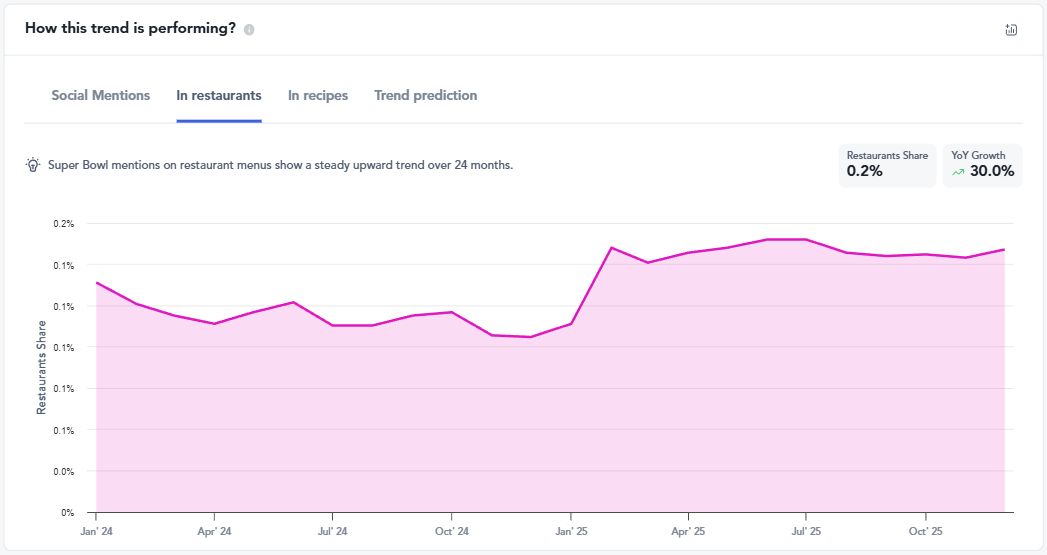
Restaurant menu data shows Super Bowl mentions rising steadily over the past 24 months. The term has grown 30% compared to last year. What this tell us is that the occasion now spans foodservice and at-home hosting. Consumers order ahead, pick up bundles, and bring restaurant food back to watch with friends. For brands, restaurant menus act as early validation for formats that travel well and serve groups. Those same formats often translate cleanly into retail trays, multipacks, seasonal bundles, and LTOs.
Snacking is king: Where convenience meets bold flavor
Snacking remains the backbone of Super Bowl consumption. Demand concentrates around foods that support long viewing windows and repeat engagement. Chips, dips, loaded snacks, and protein-forward bites continue to lead baskets.
What is changing is execution. Flavor intensity matters, but format matters more. Consumers gravitate toward snacks that invite dipping, stacking, and sharing. Packaging that supports easy access and visible abundance increases perceived value and time spent grazing.
For brands, this creates a clear path. Snack innovation that aligns with hosting mechanics outperforms standalone novelty. The strongest plays build on existing SKUs through limited time bundles, sauce pairings, or portion upgrades rather than net new products.
Dive deeper into specific flavor profiles and packaging innovations in our dedicated guide on Super Bowl Snack Trends.
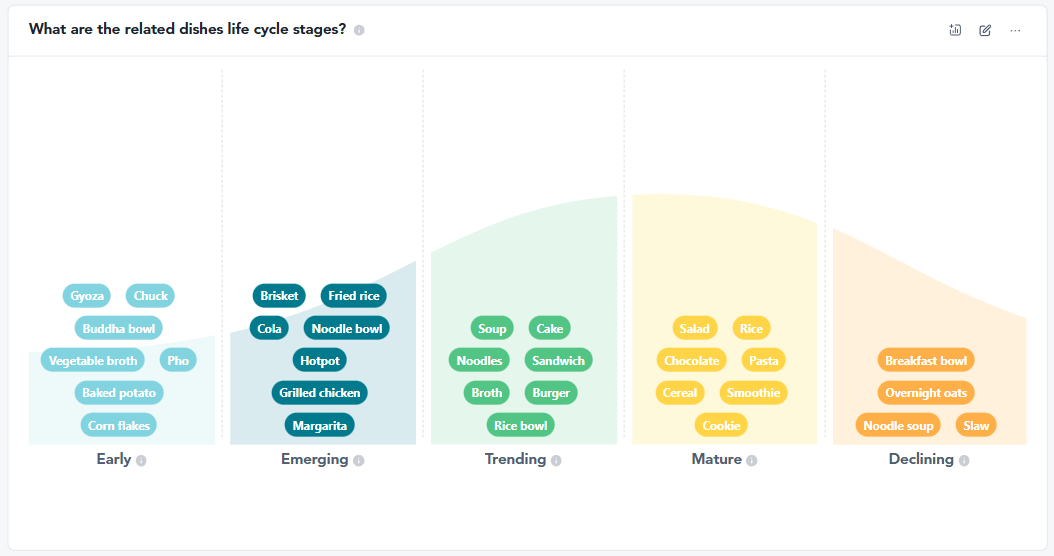
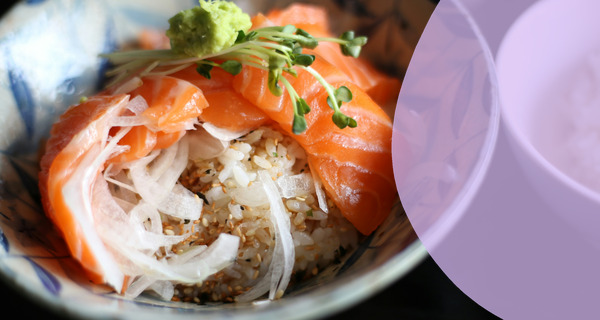
Within these categories, dish lifecycle data shows Asian formats moving into emerging and trending stages alongside classics like brisket and grilled chicken. Noodle bowls, fried rice, and gyoza appear in hosting contexts that feel familiar. This expands menu and shelf options while staying aligned with comfort-driven occasions. For innovation teams, this flexibility supports personalization by audience, region, and channel without adding friction.
Use real Super Bowl demand data to pitch flavors that scale across chips, dips, and crunchy formats.
Thirst quenchers: The battle of sodas and functional beverages
Beverage demand during the Super Bowl reflects dual needs. Refreshment and balance. Traditional sodas remain central to game day, supported by nostalgia and familiarity. At the same time, functional beverages gain traction as consumers pace themselves across longer occasions.
Better for you cues such as reduced sugar, hydration support, and cleaner ingredient lists increasingly coexist with classic formats. This allows retailers to build mixed beverage sets that meet different needs within the same basket.
For category managers, this opens space for adjacencies. Pairing indulgent snacks with lighter beverage options supports trade-up without forcing a single choice. Timing matters here, with beverage searches and purchases peaking earlier than food as hosts plan ahead.
Explore the winning beverage strategies and shelf wars in our report on Super Bowl Soda Trends.
Actionable strategies for retailers
Super Bowl planning rewards coordination. Cross merchandising remains one of the most effective levers. Placing bold dips next to premium chips or pairing protein trays with sauces increases basket size and simplifies decisions for shoppers.
Timing plays a role as well. Searches and planning begin weeks ahead, with early interest focused on menus and hosting ideas. Purchase spikes closer to game day, especially for snacks and beverages. Aligning promotions to this cadence helps maintain momentum without overloading shelves too early.
For retailers, the goal is clarity. Make hosting easy to plan, easy to buy, and easy to repeat.
FAQs about Super Bowl food trends
Super Bowl food trends center on permissible indulgence, premium comfort foods, global flavor integration, and formats designed for group hosting. Trays, bundles, and interactive snacks continue to gain traction.
The Super Bowl sets expectations for hosting behavior that often carry into Q1. Formats and flavors that perform well during the game frequently influence repeat purchases and seasonal planning in the months that follow.


We’d love to learn your goals and see how Tastewise fits
We’d love to learn your goals and see how Tastewise fits
Get a personalized demo
Good taste. Wise move.
Your demo request is confirmed. We’ll reach out within one business day to schedule your walkthrough.
What happens next

See what’s driving demand, then turn it into a sell-in story for retailers and operators.
- Connect consumer panels, market trackers, and agents into one evidence view
- Get the “why” behind what’s changing, with explainable demand drivers
- Walk away with a buyer-ready narrative and next steps to activate
Trusted by





“Tastewise is my secret tool for knowing what consumers want next and why.“