







Key insights
Almond flour pasta is a trending diet swap that aligns with broader shifts within the pasta category and health food industry. Diet trends that once centered elimination have increasingly begun to embrace substitution and reformulation, allowing consumers to enjoy their favorite foods without compromising on their health goals.
Almond flour pasta is a grain-free alternative to a popular consumer indulgence that provides an attractive balance of performance, flavor and nutrient-dense formulation. As online searches for “keto pasta” delice and searches for “rise pasta” increase, almond flour-based pasta products are well-positioned to fill in some of the gaps in this lifestyle-driven category.
Beyond “mushy” gluten-free pasta

Consumers commonly complain about the sub-par, mushy texture of gluten-free pasta products. While these offerings made pasta accessible to consumers with Celiac disease and other kinds of gluten sensitivities, they left much to be desired. Because the corn and rice blends used in gluten-free pastas often failed to deliver the ideal texture, structure or cooking stability, home cooks and restaurant patrons alike were left dissatisfied with their final dishes.
As gluten-free products have gone more mainstream, consumer expectations for these purchases have continued to evolve. Data from Tastewise’s Social F&B panel shows that shoppers are less willing to settle for undesirable texture and mouthfeel and are increasingly seeking gluten-free substitutes that deliver enhanced nutritional benefits.
This is where almond flour pasta finds its strongest footing in the gluten-free category. Its naturally high fat and protein profile combined with its relatively low carb count delivers a gluten-free pasta alternative that is also suitable for Paleo, Keto and other popular dietary preferences. Its neutral flavor base also makes it a palatable and versatile option for consumers looking for the “next best thing” to traditional pasta.
Consumer drivers: Who is buying almond flour pasta?
Almond flour pasta isn’t just for consumers on gluten-free or low-carb diets. The Tastewise Social F&B panel shows that almond flour pasta aligns with consumer demand drivers across multiple categories and performs well among those who subscribe to the Ketogenic diet, Paleo diet and and other popular approaches that emphasize low-glycemic nutrition goals.
Crucially, however, the buying behaviors of almond flour pasta consumers are overwhelmingly lifestyle driven. Shoppers aren’t just looking for a product that technically fits their macros – they’re looking for something that integrates into their existing lifestyle and doesn’t ask them to compromise on the things that matter most to them.
These lifestyle factors are well-represented in the Tastewise home cooking panel, in which data shows high correlation between almond flour pasta usage and discussions around:
- Satiety
- Clean label formulations
- Protein-forward meals
- Reduced carbohydrate intake
Tastewise data also shows that almond flour pasta consumers are specifically searching for terms like “creamy, smooth and tender,” which further supports the idea that home cooks are seeking diet-friendly pasta products that will perform well in the dishes and sauces they already enjoy. It’s not about elimination or compliance; it’s about substitution, integration and supplementation.
R&D challenge: Solving the binder problem

From a formulation standpoint, almond flour presents a structural challenge because of its primary ingredient. Pastas made from wheat flour deliver that classic al dente texture thanks to the binding properties of gluten. Almonds do not contain these naturally occurring binding substances, which means almond flour cannot achieve the proper elasticity without supplementary binding agents.
This is the most significant challenge R&D teams must overcome if they’re hoping to deliver almond flour pasta products that meet all of the consumer needs outlined above. To address some of these challenges, companies have historically relied on ingredients like:
- Tapioca starch
- Xanthan gum
- Eggs (as utilized by the popular almond flour pasta brand, Capello’s)
- Protein binders
Home cooking panel data shows consumers react negatively to textures described as “gummy,” so it’s critical to strike the right balance when combining almond flour with binder ingredients during the pasta production process. According to the Tastewise Social F&B panel, online discussions about Xanthan gum demonstrate over 25% YoY growth, which suggests that consumers and R&D teams are similarly interested in binding substances that can enhance the texture of grain-free products.
This is a great example of how Tastewise can help R&D teams evaluate binding agents early in the formulation process. With aggregated consumer feedback and ongoing usage data, R&D teams can identify and validate potential binding ingredients without relying solely on internal testing cycles. This internal validation process can help shorten formulation timelines and improve alignment between technical feasibility and consumer adoption.
Market battle: Almond vs. chickpea vs. cassava
As more consumers embrace grain-free and low-glycemic diets, the alternative pasta category is characterized by many different wheat-flour alternatives. With more options available, purchasing behaviors are increasingly driven by ingredient specialization rather than universal substitution. Here is a brief comparison of some of the most popular grain-free pasta varieties:
Chickpea pasta
Heavily influenced by larger chickpea and hummus trends in the health food space, chickpea pasta has emerged as a grain-free option that is ideal for protein-focused consumers. Chickpea pasta brands like Banza and Goodles have strong family appeal and come in a variety of shapes and formats, which makes them a popular substitution for health-focused home cooks. Notably, however, consumer feedback frequently indicates that chickpea-based products have a distinct legume flavor that may not make them suitable for all preparations or palates.
Cassava pasta
Cassava pastas are touted for their texture, with many consumers reporting that these products closely mimic the mouthfeel and stability of traditional wheat noodles. However, cassava pastas are relatively high in carbohydrates, which makes this alternative less suitable for consumers on Keto or other low-carb diets.
Almond flour pasta
These products – while perhaps less established than chickpea pastas and standard gluten-free varieties – deliver the low-carb performance, higher fat content and neutral taste profile consumers are searching for in the grain-free pasta market. Tastewise Social F&B panel data indicates that almond flour has experienced nearly 11% YoY growth, which suggests consumers are becoming increasingly familiar with this macro-friendly ingredient.
Here’s a simple breakdown of the key nutritional differences between almond flour and whole wheat pasta:
| Almond Flour Pasta | Whole Wheat Pasta | |
| Calories (per 2 oz) | 190 | 180 |
| Net Carbohydrates | 19g | 30g |
| Protein | 5g | 8g |
| Glycemic Load | Lower | Higher |
| Satiety | High | Moderate |
Between all of the popular wheat flour pasta alternatives, it’s consumer behavior that makes the ultimate difference. Subtle variations in preferences and lifestyle drive both one-time and repeat purchase behaviors, so teams must internally and externally validate the alignment of their products with their target shoppers’ needs.
For example, chickpea pasta brands commonly embrace family-forward messaging to appeal to health-focused households, while cassava pasta brands lean into the all-natural aesthetic to garner attention from Paleo dieters. This is why it’s absolutely vital for brands to use social, home cooking and consumer sentiment data to help them identify the lifestyle needs driving purchasing behaviors. This backend validation process can help build both internal and external confidence in product rollouts and cut back on waste commonly associated with reliance on historical data or repeated internal testing efforts.
Predicting the next alternative flour opportunity
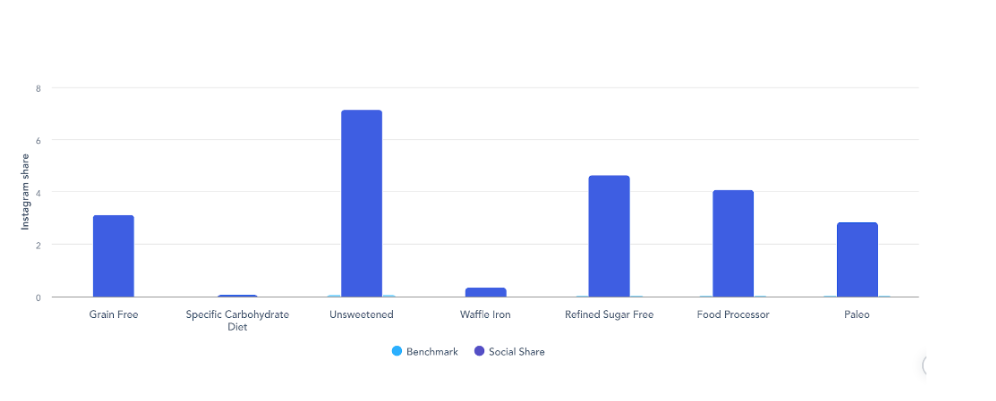
Almond flour is a microcosm of grain-free innovation.The grain-free pasta space has become increasingly crowded over the last several years, and the next wave of innovation in this category will likely capitalize on ingredients that balance nutritional performance with functional cooking behavior.
Tastewise workflows help teams identify these whitespace opportunities through repeatable validation steps. In practice, this looks like:
- Scanning for emerging ingredients like tigernut flour, green banana flour and lupini bean applications.
- Validating social adoption with robust, real-time data panels that bridge the gap between initial experimentation and broader consumer usage/repeat purchasing.
- Measuring foodservice penetration, as foodservice adoption often serves as an early proxy for retail scalability.
Tracking all of this data simultaneously allows teams to build internal and external conviction before committing to large-scale commercialization. These ongoing validation workflows also enable teams to identify early demand signals and respond swiftly to shifts in consumer preferences or behavior.
Performance, not substitution, defines the future of pasta
Pasta is often a vehicle for other flavors and ingredients, which is why the future of grain-free pasta trends hinges on performance rather than mere substitution. Consumers are seeking out nutrient-rich pasta alternatives that don’t compromise on texture and are suitable for overall lifestyle alignment.
The rise of almond flour pasta demonstrates how ingredient-led innovation can reshape an established category as long as it is adequately supported by measurable consumer demand signals. Brands looking to successfully disrupt an existing product market must work to swiftly identify whitespace opportunities and validate their formulation, positioning and commercialization decisions with behavioral evidence.
Tastewise provides explainable, bespoke and – crucially – repeatable evidence across the Social F&B panel, Foodservice, and Home cooking panel so teams can reliably align internally without compromising on innovation or production timelines. and accelerate product innovation with greater certainty. If you’re looking to find whitespace opportunities in the “free-form” category before it fills up, now’s the time to analyze ingredient innovations with Tastewise.
FAQs about almond flour pasta trends
Yes. Almond flour pasta typically contains fewer net carbohydrates than wheat or rice pasta, which makes it a popular choice for consumers in search of keto-friendly noodles and low-carb pasta alternatives more broadly.
Consumers report that almond flour pasta has a mildly nutty flavor and a comparable mouthfeel to traditional pasta. Some consumer sentiment data even suggests that the texture of almond flour pasta is richer and more dense than traditional offerings, which may result in higher perceived satiety.
Almonds are more expensive than white flour, wheat flour, corn and rice due to supply chain volatility and elevated raw material costs. These high ingredient and production costs subsequently contribute to the premium pricing of almond flour pastas.





We’d love to learn your goals and see how Tastewise fits
We’d love to learn your goals and see how Tastewise fits
Get a personalized demo
Good taste. Wise move.
Your demo request is confirmed. We’ll reach out within one business day to schedule your walkthrough.
What happens next

See what’s driving demand, then turn it into a sell-in story for retailers and operators.
- Connect consumer panels, market trackers, and agents into one evidence view
- Get the “why” behind what’s changing, with explainable demand drivers
- Walk away with a buyer-ready narrative and next steps to activate
Trusted by





“Tastewise is my secret tool for knowing what consumers want next and why.“