





High protein snacks sit where three forces meet in US food and beverage: functional nutrition, GLP-1 weight loss diets and on-the-go eating. About 1 in 8 US adults (12%) now say they currently take a GLP-1 drug, up from 18 months earlier, according to the KFF Health Tracking Poll.
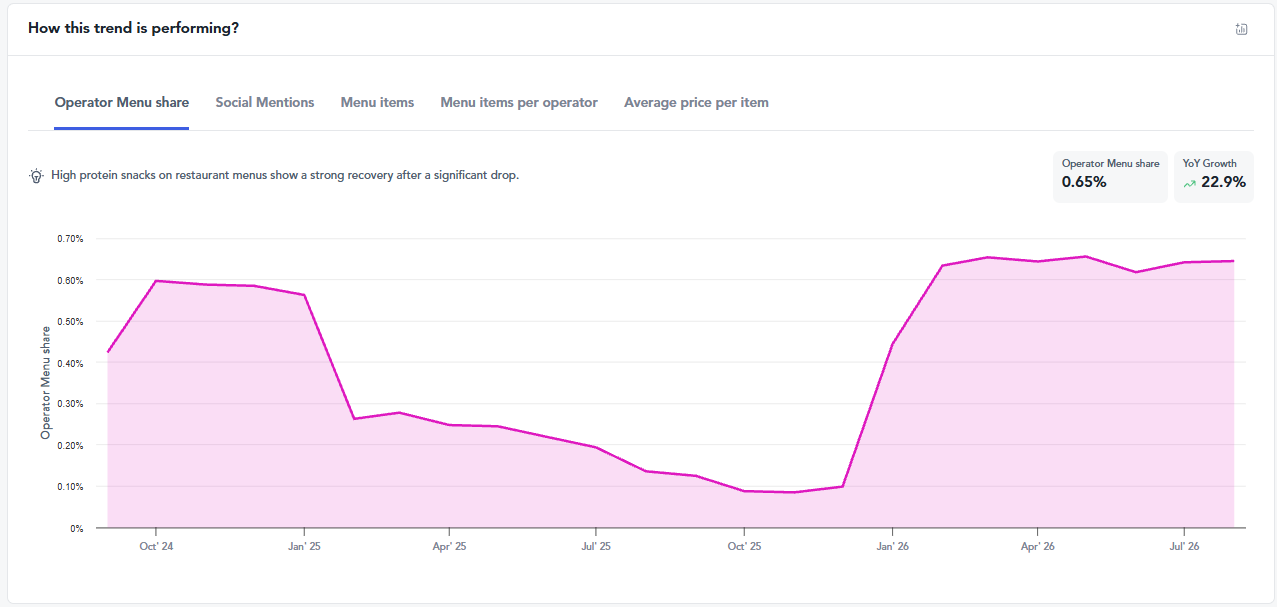
The market moves with them. Across the Tastewise US consumer panel, the share of restaurants putting high protein snacks on the menu roughly doubled (+102%) in the 12 months to August 2026. Brands that wait on slow focus groups risk launching another lookalike protein bar onto an online shelf that already carries 630 snack SKUs with a high protein claim.
Tastewise is a real-time AI consumer intelligence platform. It reads social media, restaurant menus, recipes and retail shelves to show what consumers want from high-protein snacks today, and which formats are losing ground.
Key takeaways
- The share of US restaurants offering high protein snacks rose 102% in 12 months, while home recipe interest held flat (+0.7%).
- GLP-1 consumers engage with high protein snacks 3.5 times more than the average consumer, and their engagement grew 9% this year.
- Powder-led protein is fading: protein powder fell 23% and whey protein fell 32%, while farmer cheese rose 127%.
- Fiber is the only leading snack motivation still growing (+3%), as healthy and fitness motivations each fell 16%.
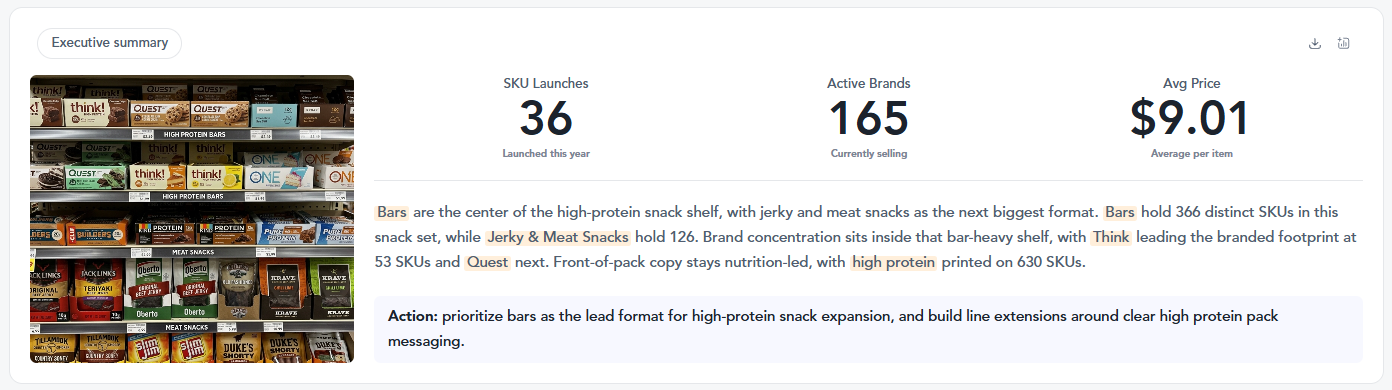
- Bars hold nearly 3 in 5 (58%) high protein snack SKUs on the US online shelf, which leaves chips, popcorn and cookies wide open.
- Vegetarian engagement with high protein snacks grew 37%, the fastest of the leading audiences, while keto engagement fell 14%.
What are the key drivers behind high protein snacks in consumer diets?
High protein snacks are portable, nutrient-dense foods designed to deliver elevated dietary protein to support muscle repair, prolonged satiety and weight management goals. Driven by wellness and active lifestyles, consumers look for healthy high protein snacks across plant-based, low-sugar and real-food formats.
So what snacks are high in protein for today’s shopper? Dairy leads. Across the Tastewise US consumer panel, cottage cheese and vanilla Greek yogurt each appear 28 times more often in high protein snack discussion than in snacking overall. Paneer engagement grew 38% and skyr grew 22% over the past 12 months.
Good high protein snacks also need to feel familiar. Sweet snacks are the largest category linked to snacks high in protein, and sweet bakery is the fastest riser among the top categories (+7%). Chocolate confectionery sits close behind. Consumers want protein in a treat they already eat, without a functional compromise on taste.
The people driving the category are intentional. Protein Prioritizers appear 12 times more often than average in high protein snacking. On the Go Snackers appear 8 times more often. Both groups treat protein as a daily habit, which is why snacks with high protein need to fit routines rather than special occasions.
Weight loss motivations & functional claims
Weight loss is the sharpest driver behind high-protein snacks weight loss searches. GLP-1 consumers engage with high protein snacks 3.5 times more than the average consumer, and that engagement grew 9% in the past 12 months. Our GLP-1 consumer report tracks how this group shops, eats and swaps categories.
Macro-conscious shoppers judge high protein snacks for weight loss on what else is on the label. Carbohydrates come up in 1 in 5 (20%) high protein snack signals, at 27 times the snacking average. Sugar free comes up in nearly 1 in 10 (9%). Those two numbers explain the pull toward high protein low cal snacks and low-sugar bites.
Fiber is the motivation to watch. It reaches nearly 1 in 10 (12%) high protein snack signals and is the only leading motivation still growing (+3%). Psyllium, a common fiber source, grew 137% in the same space. High protein high fiber snacks fit the satiety goals of calorie counters and GLP-1 users alike.
For a team building the best high protein snacks for weight loss, the brief is clear. Pair protein with a fiber claim in a single-serve pack, and lead the label with protein per calorie. Our guide to GLP-1 friendly foods lists the dishes and ingredients this audience already favors.
Dietary inclusivity: plant-based, dairy-free, and real food formats
The shift away from processed protein is the clearest pattern in the data. Protein powder engagement in high protein snacks fell 23% over the past 12 months, and whey protein fell 32%. String cheese dropped 29%. Whole-food dairy took their place: farmer cheese rose 127%, cheese cubes rose 133% and cheesecake yogurt rose 107%.
Plant-based demand is real but selective. Vegetarian engagement with high protein snacks grew 37%, the fastest of the leading audiences. Familiar legumes are cooling, with chickpea down 16% and lentil down 21%. Newer plant proteins are climbing from a small base: green pea grew 42%, mung bean grew 19%, chana dal grew 15% and seitan grew 12%.
That gap is the opportunity for high protein vegan snacks, high protein vegetarian snacks and high protein dairy free snacks. Restaurants are already testing it. Playa Bowls sells Vegan Chocolate Peanut Butter Protein Bites, and Purely Bowls sells Chocolate Plant Protein Bites alongside a whey version at the same price.
Homemade high protein snacks shape expectations too. Recipe interest in snacks that are high in protein held steady (+0.7%) over the year. The posts consumers share most show cottage cheese crackers, peanut butter protein balls, protein yogurt bark and no-bake protein bars. Each one uses a few whole ingredients that a shopper can read and recognize.
The 2027 food trends forecast maps the ingredients, claims and formats set to shape next year’s snack launches.
How to develop market-leading high-protein snacks using real-time data
Consumer insights and R&D teams win with high protein snacks when they test formulations against what consumers do now. Four lenses turn real-time signals into a product brief your team can take to the kitchen.
Formulating for on-the-go convenience. On the Go Snackers over-index 8 times on high protein snacking, and Convenience Seekers engagement grew 8%. On the online shelf, 153 high protein snack SKUs carry an on-the-go claim, with 7 new launches in the past 12 months. In foodservice, Snap Kitchen sells a Protein Snack Pack and Sheetz sells a Buffalo Chicken Dip with Naan Snack Tray. School menus are moving the same way, with items like a Beef Bites Protein Box. These are the formats for high protein quick snacks and high protein snacks on the go: bites, meat sticks, snack trays and baked crunch.
Flavor and texture pairing via AI. Dessert flavors carry high protein healthy snacks on menus. Recent restaurant launches include Pumpkin Spice Protein Bites at Fast Fit Foods as a limited-time item, Strawberries and Cream Protein Bites at Rad Bowls, and Snickerdoodle Protein Bites at Green Fork & Straw. Tastewise flags the next pairings too. Greek honey grew 145%, coffee yogurt grew 59% and maple almond grew 61% in high protein snack signals. Bright, sweet and roasted notes like these help mask the chalky taste of protein isolates.
Differentiating easy versus functional. Easy high protein snacks look like the snacks consumers already buy. PopCorners Protein Zesty Cheddar and WILDE Protein Chips in Buttermilk Ranch sit in chips and popcorn, a shelf segment with just 27 high protein SKUs and 3 new launches. Air popped popcorn engagement grew 92%. Functional products look like meal replacements, led by bars from Atkins, Built and Barebells. An indulgent claim already sits on 104 SKUs, a sign that taste now carries the functional message.
Identifying category champions. The best high protein snacks combine a high index with steady reach. Cottage cheese and lupini beans both index 28 times the snacking average but are mature, with engagement down about 5% each. That makes them proven bases for line extensions. Egg white protein (+12%) and sardines (+71%) are early and fast-moving, so they suit a pilot or a limited run.
Consumer demand matrix: commercial comparison
Survey panels and real-time intelligence answer different questions. A survey tells you what a sample says it intends to buy. Real-time data shows what people cook, order, post and buy across the market. The comparison below shows where each method fits for snacks high in protein.
| Dimension | Legacy survey panel | Tastewise real-time intelligence |
| Source | Recruited respondents answering set questions | Social posts, restaurant menus, recipes and retail shelf data |
| Refresh | Per study, often quarterly or annual | Monthly series covering the past 24 months |
| What it captures | Stated intent and recall | Observed behavior, ingredient movement and launch activity |
| Whitespace detection | Limited to the options the questionnaire lists | Surfaces ingredients and claims nobody asked about, like farmer cheese or psyllium |
| Best use | Concept testing a shortlist with a defined audience | Finding and sizing the shortlist before testing begins |
R&D and innovation teams use these signals for product innovation, spotting rising ingredients for snacks high in protein before competitors move. A team could shortlist farmer cheese, green pea and Greek honey for a savory and a sweet bite, then confirm reach before a kitchen trial.
Brand marketing teams build consumer marketing around real use cases. Fitness motivation fell 16% in high protein snack signals while fiber grew, so a message about staying full through the afternoon slump now fits better than one about post-workout recovery.
Category management and sales teams use live data in retail sell-in conversations to justify shelf space. With bars holding 366 of 630 high protein snack SKUs, a buyer pitch for a protein chip or cracker can show the gap in numbers.
Commercializing high-protein snack concepts with Tastewise intelligence
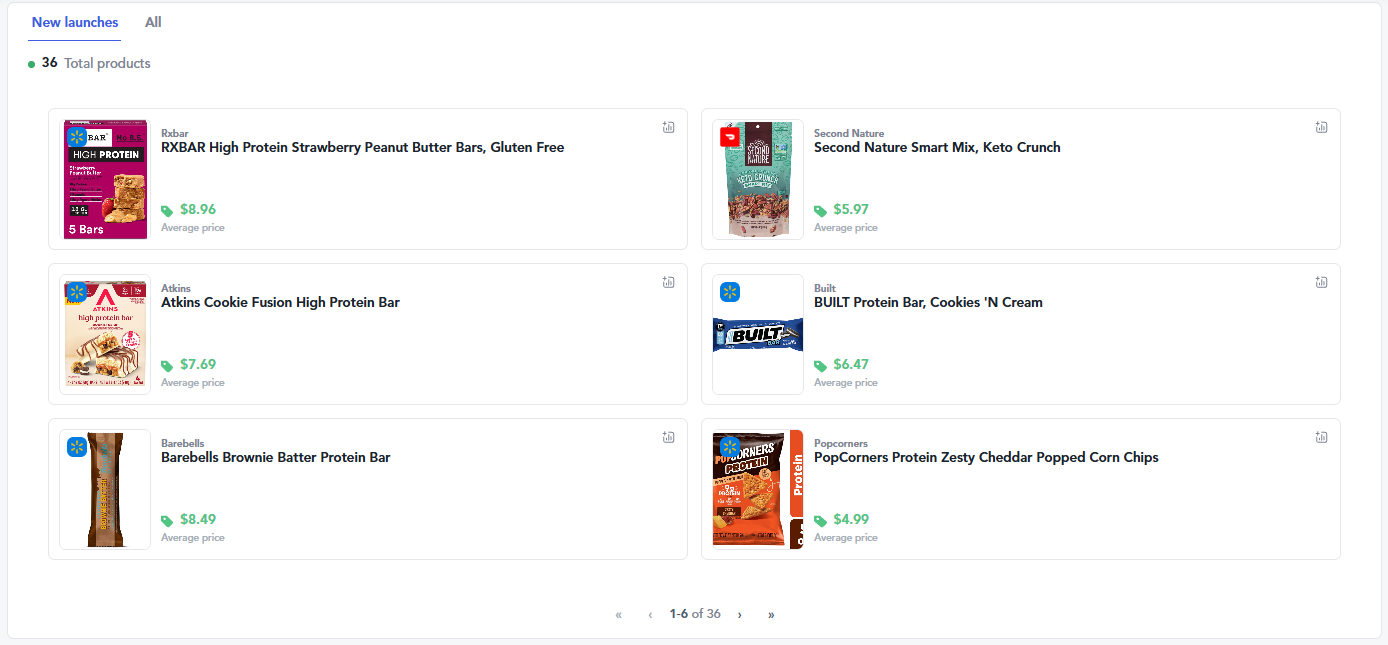
Good high protein snacks reach the shelf through a repeatable path from signal to launch. This roadmap shows how a brand moves from spotting demand to placing product.
- Map consumer micro-trends. Track social posts and recipe uploads to learn what consumers use when they search for what snacks are high in protein. Right now that list includes early-stage ingredients like egg white protein, mung bean and seitan, plus emerging dairy like lemon yogurt (+57%). Set a monthly review so a rising ingredient enters the pipeline while it is still early.
- Validate product claims. Match formulations against the claims consumers reward. In high protein snacks, carbohydrate claims index 27 times the snacking average and sugar free indexes 15 times. A protein bite that pairs fiber with zero added sugar answers two growing needs in one pack.
- Optimize channel strategy. Align distribution with the moments people reach for high-protein snacks. Natural Grocers added 10 new high protein snack SKUs in the past 12 months, more than any other retailer, while Walmart added 1. Restaurant menu prices for high protein items averaged $9.66 in August 2026, down 15% on a year earlier. For foodservice operators, that points to snack-sized protein add-ons priced for impulse.
High protein snacks are moving from the supplement aisle to the everyday snack drawer. The brands that win will build with whole-food protein, pair it with fiber and familiar flavor, and launch in the formats where the shelf is still thin. Tastewise shows you where that gap is, month by month.
FAQs about high protein snacks
The leading snacks high in protein in the US are dairy staples like Greek yogurt, cottage cheese and skyr, plus jerky, lupini beans and protein bites. Whole-food dairy is gaining fastest, with farmer cheese engagement up 127% in high protein snack signals over the past 12 months.
The best high protein snacks for weight loss pair protein with fiber and low sugar in a single portion. Fiber is the only leading high protein snack motivation still growing (+3%), and psyllium engagement rose 137%.
Newer plant proteins lead high protein vegan snacks, with green pea up 42% and mung bean up 19% in high protein snack signals. Restaurants such as Playa Bowls and Purely Bowls already sell plant protein bites.
Easy high protein snacks on the go include protein bites, meat sticks, snack trays and protein chips. On the US online shelf, 153 high protein snack SKUs carry an on-the-go claim.
Yes. Tastewise forecasts consumer demand for high protein snacks to keep rising through 2027, led by restaurant menus, where the share of restaurants offering them roughly doubled in the past 12 months.




We’d love to learn your goals and see how Tastewise fits
We’d love to learn your goals and see how Tastewise fits
Get a personalized demo
Good taste. Wise move.
Your demo request is confirmed. We’ll reach out within one business day to schedule your walkthrough.
What happens next

See what’s driving demand, then turn it into a sell-in story for retailers and operators.
- Connect consumer panels, market trackers, and agents into one evidence view
- Get the “why” behind what’s changing, with explainable demand drivers
- Walk away with a buyer-ready narrative and next steps to activate
Trusted by



“Tastewise is my secret tool for knowing what consumers want next and why.“