
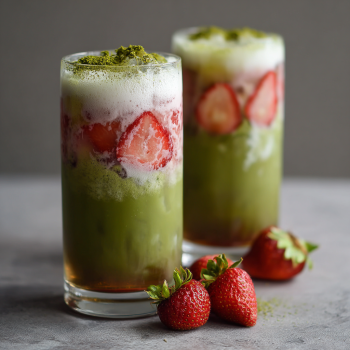
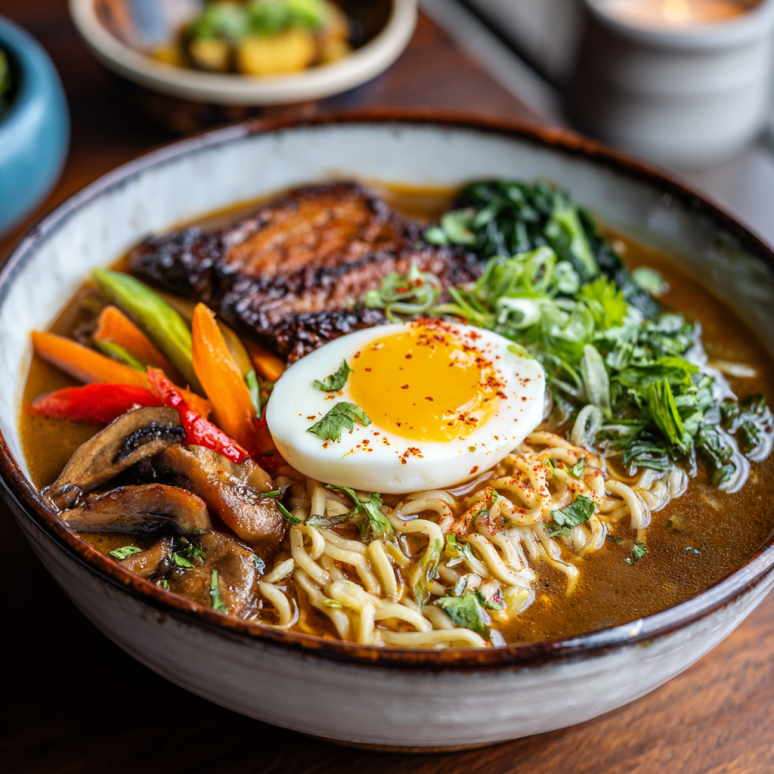
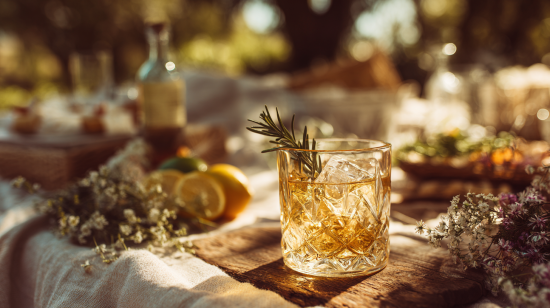
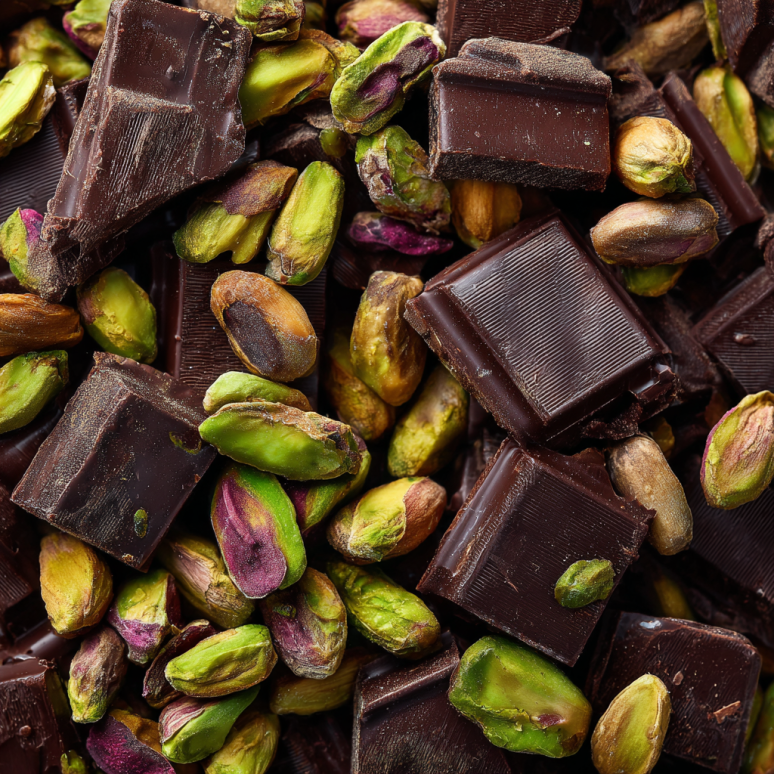


The 10 food trends for 2027
Food trends 2027 one bite summary
Food trends 2027 are ten shifts Tastewise tracks across consumer, menu and retail data: Agentic Appetite, the end of the health promise, GLP-1 eating, split proteins, the coffee passport, the collapsing daypart, preservation, fats, collagen, and private label hopping. Intentional eating grew 862% in a year while generic healthy fell 13%.

Control: deciding what a meal is for
Three of the ten trends come from people wanting a say in what reaches them. They choose the job first and let the product follow, and in two of the three the choosing happens somewhere brands cannot see.
01. Agentic Appetite. Brands already quoted in AI answers get quoted ten times more. Siggi's takes 58% of AI yogurt answers while Yoplait and Dannon rank ninth and tenth. Measure where you come up now, because 2027 is the last cheap year to fix it.
02. The End of the Health Promise. Weight management lost more than a fifth of its consumers in a year and energy gained a fifth. Cereal lost more than a tenth of its US volume and WK Kellogg was sold to Ferrero. Put the nutrient and the mechanism on pack, not the goal.
03. The Prescription Nobody Wrote. The next weight-loss drug cannot be prescribed before 2027, yet the Americans naming it are already on a GLP-1, at 109 times the expected rate. Olive Garden made a GLP-1 portions menu permanent. Write for the next drug class before it is approved.

Realness: knowing where it came from
Two trends come from people wanting to know what a thing is made of and where it started. Both split something that used to travel as one product, and the halves are now worth different money in different channels.
04. Sold for Parts. Pea protein is losing consumers ten times faster than egg yolk, and the two halves now sit in different channels. Run each half as its own line in 2027, with its own price and its own route to shelf.
05. The Coffee Passport. Latin drinks overtake Asian ones in America in 2027, with the two lines half a percentage point apart. Get a Latin format into the ready-to-drink case before they cross.

Belonging: eating as a way of being with people
Two trends come from how people eat together, and both break something the category has treated as fixed. One breaks the clock. The other breaks the assumption that tradition still means what it did five years ago.
06. Breakfast, Lunch, Dose. Morning runs 1.4 times bigger than breakfast, and one in four new products still calls itself a snack. Name an hour, a state or a need on pack rather than a meal.
07. Preserved on Purpose. Intentional grew 149% inside tradition while Thanksgiving fell 15%, and in 2027 the aisle for it is a fuel counter. Build the prepared version for the counter, not only the jar for the shelf.

Delight: choosing something because you want it
Three trends come from people buying for pleasure and paying for it. Two move an ingredient out of the category that built it. The third is the one most likely to be sitting in your next line review.
08. The Fat That Came Back. Provenance language runs 9.8 to 1 against nutrition on beef tallow, up from 6.0 to 1, and premium butter took a 9% price rise in a falling category. Sell where a fat came from, because provenance is the claim carrying a price.
09. Beauty and the Eats. Collagen is growing across the supplement aisle while falling 5% inside beauty supplements, the one category built on it. Move the ingredient into a food or drink format while the health channel is still losing it.
10. Private Label Hopping. 79% of Costco shoppers reach for Kirkland against 18% of Kroger shoppers, and $635 million walked out of grocery national brands into club private label in a year. Build the range account by account.
What drives the 2027 food trends
Americans give eleven reasons for what they eat. Ten of them are growing. The one losing consumers is the only one that names no occasion at all.
Intentional reaches 1 in 50 consumers and grew 862% in a year, nearly a hundred times faster than convenience.
Slow living reaches 1 in 50 consumers and grew 71%.
Convenience reaches 1 in 7 consumers and grew 9%. Every product in the aisle offers it, which is what took it out of the decision.
Healthy reaches 1 in 17 consumers and fell 13%. Two products can carry the same nutrition panel at the same price, and only one answers the question the shopper asked first.

6.02M
US food and beverage consumers behind every panel figure on this page
Tastewise US consumer panel, August 2025 to July 2026
−26%
Fall in consumer demand for kombucha, a category whose name is a health promise
Tastewise US consumer panel, same universe and window
+22.5%
Premium butter dollar sales in a year the category got cheaper
NIQ RMS, Total US Full View, 52 weeks ending 24 January 2026
$3bn
Food and beverage dollars that left the grocery channel in a year
NielsenIQ, 52 weeks ending 4 October 2025
Reviewed by Miriam Aniel Oved, market trends and demand signals at Tastewise. September 2026.
Forecast methodology for 2027 food trends
Five data sources sit behind the forecast. A consumer panel across 59 markets, home cooking and recipes, retail sales and assortment, away from home menus and e-retail shelf data. The Tastewise ontology and context layer lines them up, so a claim, an ingredient and a need mean the same thing across all five.
GenAI models score each signal for growth, channel spread and durability. Analysts then validate the shortlist against menu launches and retail movement, so any call you take into a meeting can be traced back to what it was measured on.
Every figure on this page was measured against a named universe over a stated window. The consumer panel covers 6.02M US food and beverage consumers from August 2025 to July 2026. Retail movement comes from NielsenIQ over the 52 weeks ending 4 October 2025. AI answer share comes from 90 questions put to ChatGPT, Claude and Gemini on 11 August 2026.

Alon Chen
Co-founder and CEO, Tastewise
The brands that win 2027 are the ones that can say what a product or dish is for in a sentence an AI assistant, a discerning consumer, and biology will accept.

Get the 2027 food and beverage forecast
You have the ten trends above. The forecast gives each one a chapter: the other seven reasons people give for eating, the operators already moving, and the chart behind every figure. Take it as a PDF for the deck you are building this week, or open it as an agent and run it against your own categories. Both come with the same email.
Who uses the 2027 food trends forecast
Product innovation and R&D
Shortlist the ingredients earning a development slot, and the two that are losing one.
Marketing and brand
Find out whether AI assistants name you in your category, and what to write if they do not.
Foodservice and menu strategy
Name the hour on the menu, because morning now runs 1.4 times bigger than breakfast.
Category and shopper insight
Read own brand exposure retailer by retailer, from Costco down to Kroger.
FAQs about 2027 food trends
01 What are the food trends for 2027?
The ten food trends for 2027 are Agentic Appetite, the end of the health promise, the prescription nobody wrote, sold for parts, the coffee passport, breakfast lunch dose, preserved on purpose, the fat that came back, beauty and the eats, and private label hopping. Each is named in full on this page.
02 Which food trends are losing ground in 2027?
Generic health claims are losing ground fastest. Healthy fell 13% among US food and beverage consumers and weight management lost more than a fifth of its consumers in a year. Kombucha fell 26% and pea protein is shedding consumers ten times faster than egg yolk.
03 What are the f&b trends for 2027?
F&b trends 2027 cover food and drink across foodservice, retail and home cooking. Beverage formats, provenance claims, functional ingredients and occasion language all sit in the forecast. Latin American drinks overtake Asian ones in America in 2027 on current rates, with the two lines half a percentage point apart.
04 How does Tastewise forecast 2027 food and beverage trends?
Tastewise forecasts 2027 food and beverage trends in three steps. Data collection runs across consumer panels, menus, retail sales and e-retail shelf data in 59 markets. GenAI models score each signal for growth, spread and durability. Analysts then validate the shortlist against real menu launches and retail movement.
05 Is the 2027 Food Trends Forecast free?
Yes. The full forecast is free to download from this page in exchange for your work email. You get all ten trends with their chapters, the four cultural drivers behind them, and quarterly signal updates through 2027.


