





The US sparkling water category is flat. Consumer engagement is down 3.5% in the past 12 months, and most buyers already know the incumbents by heart. But matcha sparkling water is breaking that pattern. Matcha as an ingredient inside the sparkling water category grew +40.9% in the past year, entering an emerging lifecycle stage while the broader category stalled. If your team is preparing for summer shelf resets, this is the signal that changes the pitch. The white space is open, the consumer demand is real, and most of your competition has not yet built a story around it.
Key takeaways
- Matcha grew +40.9% inside the sparkling water category in the past year and is now in the emerging lifecycle stage while overall sparkling water engagement was flat. Your team has a first-mover window that will not stay open long.
- “Summer” is a top-10 consumer need state in both the matcha universe (4.99% share) and the sparkling water category (12.17% share). Both signals converge on the same seasonal occasion, which is exactly the kind of double confirmation your buyer story needs.
- “Energy” grew +51.1% and “wellness” grew +10.3% in the sparkling water category in the past 12 months. Matcha’s L-theanine and caffeine profile directly answers both claims in one format. No current mass-market sparkling water SKU tells that story at scale.
- Yuzu matcha inside the sparkling water category grew +207.4% since last year. This is not a hypothetical flavor direction. Consumers are already choosing it, and your innovation brief should follow.
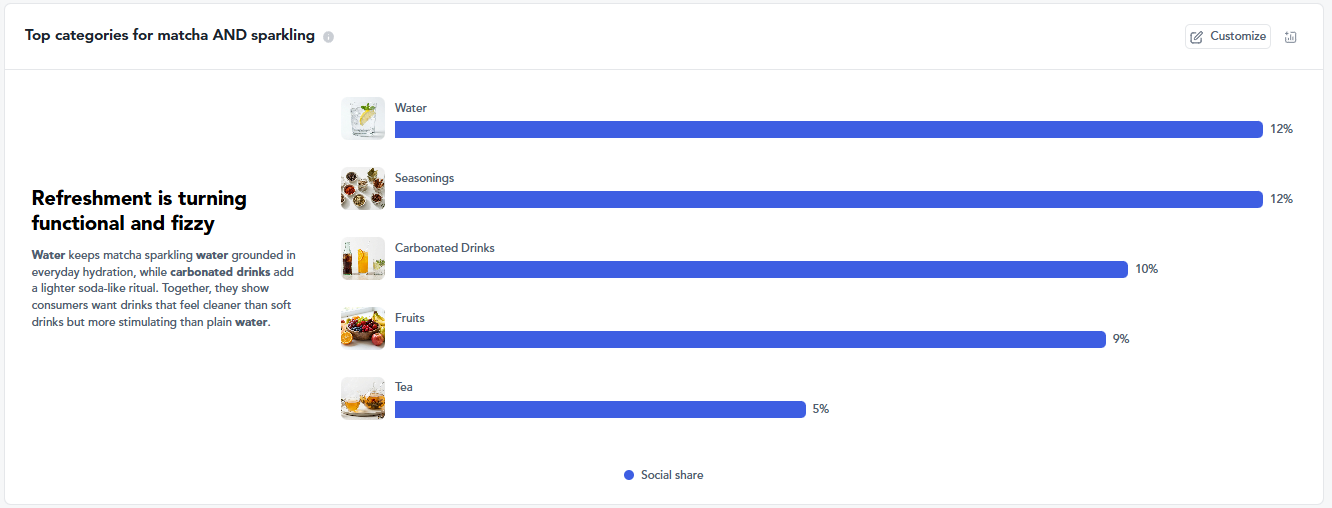
Consumers are looking for a summer drink that does more than hydrate. They want something refreshing, visually distinctive, and carrying a functional credential they can feel good about choosing every day. Matcha sparkling water sits exactly at that intersection: the carbonation delivers the refreshment, the matcha delivers the energy story, and the format delivers the convenience. This is where health-conscious, premium-oriented buyers are quietly migrating, before most brands have noticed.
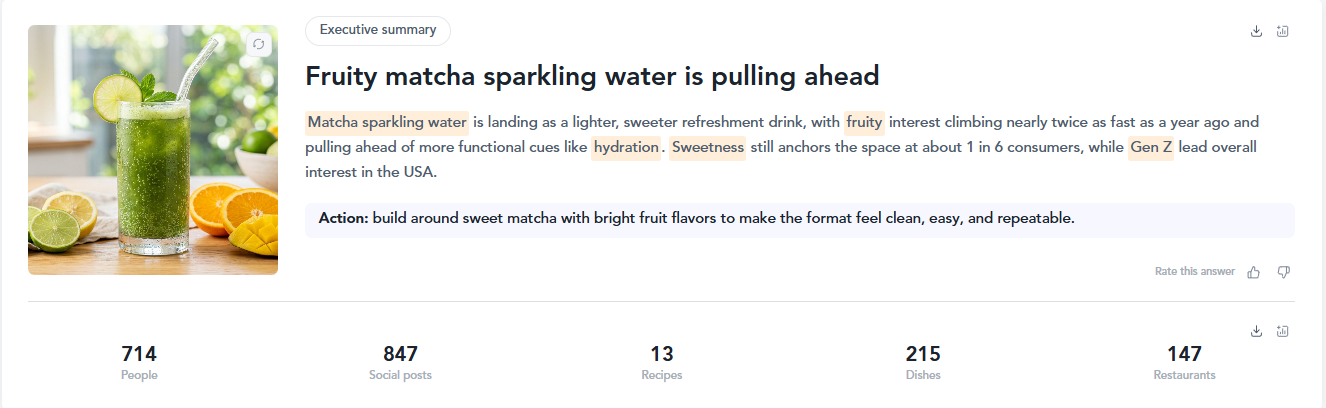
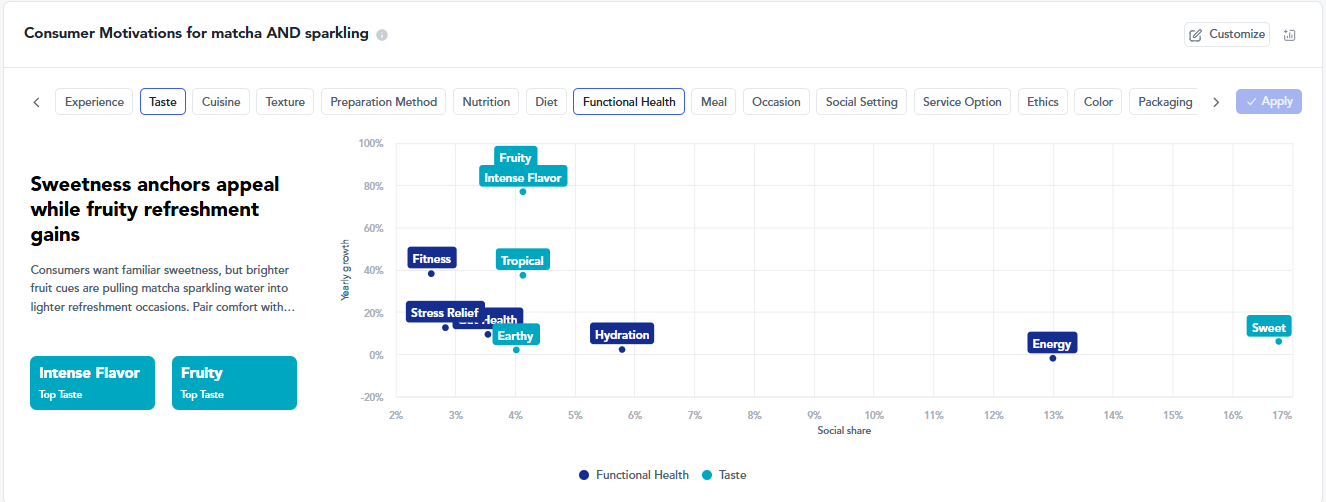
Tastewise consumer data shows this migration clearly. Matcha inside sparkling water has jumped to the emerging lifecycle stage on +40.9% growth in the past year. The “summer” need state holds 12.17% share in sparkling water and 4.99% share in the matcha universe, both pointing at the same peak-demand window from May through August. “Energy” (+51.1%) and “wellness” (+10.3%) are the two fastest-growing functional needs in the sparkling water category, both of which matcha satisfies through its natural L-theanine content. The consumer is pulling for this combination. The question is which brand answers first.
The opportunity for your team is to own that intersection before it becomes contested. A matcha sparkling water SKU that leads with clean energy, a real-fruit flavor profile (yuzu, coconut, or lemon), and a premium positioning brings an incremental buyer to the aisle rather than cannibalizing existing volume. That is the shelf-space argument category managers need to hear, and the one you can now back with evidence rather than trend intuition. The summer food trends 2026 report covers the seasonal demand signals your team needs to build that case.
The 2026 beverage reset mindset: driving incremental category growth
Category managers heading into summer resets are focused on one thing: SKUs that grow the category, not ones that shift volume around. The phrase you will hear in every buyer meeting this season is “incremental distribution.” Prove your product brings a new shopper or a new basket, and you get the shelf. Fail to prove it, and the slot goes to a brand that can.
Matcha sparkling water answers the incrementality question structurally. The matcha consumer is a premium functional buyer, someone who currently spends on $5 to $6 RTD beverages and who shops the specialty or natural aisle by habit. The “premium” need state in sparkling water grew +9.2% in the past year. When a matcha sparkling water SKU converts even a portion of that cohort into a sparkling water occasion, the category manager sees average basket value move up, not sideways.
Your sell-in story should open with this framing. Not “here is a new flavor” but “here is the SKU that brings your premium functional buyer into your sparkling water section for the first time.” That shift reframes the entire conversation from shelf-space negotiation to category expansion strategy, and puts you in the position of a category partner rather than a product vendor.
Decoding the top 5 summer wellness trends propelling sparkling water matcha
Clean energy without the crash
“Energy” grew +51.1% in sparkling water in the past 12 months, making it the fastest-growing functional need in the category. Consumers are choosing drinks that keep them alert and focused without the overstimulation of a traditional energy drink. Matcha’s L-theanine-plus-caffeine combination is the format that delivers calm alertness. Buyers at premium grocery and natural channel banners are already allocating shelf space for this claim, and your team should be walking in with the energy growth rate and a matcha RTD concept in the same conversation.
Wellness as a daily habit, not a weekend ritual
“Wellness” in sparkling water grew +10.3% in the past year, and the “convenient” need state holds a 14.50% share in the category. Consumers want the wellness credential in a format that fits their Tuesday morning, not just their Saturday farmer’s market trip. A ready-to-drink sparkling water format collapses the matcha preparation ritual into a grab-and-go moment. That is the “easy” need state (12.24% share) that buyers love to see in a summer reset: functional benefit, zero friction.
Visual identity that earns its shelf space
“Refreshing” holds a 15.56% share in sparkling water and “attractive” holds 10.98% share. Matcha’s signature green is visually arresting in a way that translates directly to shelf standout and social content. Buyers understand that visually distinctive SKUs generate earned media at no incremental cost to the retailer. A distinctive visual is a silent argument for fridge door placement rather than a mid-shelf slot.
Flavor complexity that justifies a price premium
“Intense flavor” in sparkling water grew +46.9% in the past year. Matcha is not a neutral base. It is earthy, slightly bitter, and layered in a way that commands attention and supports a higher price point. Yuzu matcha grew +207.4% inside sparkling water since last year. Consumers are already reaching for the more complex expression of this trend. Your innovation brief should start there, not at the plain matcha entry point.
Summer as the natural occasion anchor
“Summer” holds 12.17% share in sparkling water. “Hot weather” holds 1.08% share and grew +7.0% since last year. Matcha’s own summer association (4.99% share in the matcha universe) reinforces the seasonal window. A launch timed to April-May shelf resets captures both the buyer’s planning cycle and the consumer’s peak-demand curve in the same move.
How to construct an unshakeable buyer story for a matcha sparkling water drink

A buyer story built on trend intuition falls apart at the first hard question. A buyer story built on consumer behavioral data holds under scrutiny at every stage of the review. For a matcha sparkling water drink, your story has three layers, and each one needs evidence your buyer cannot dismiss.
The first layer is the category-level demand signal. Matcha inside sparkling water grew +40.9% in the past year while the overall category was flat. Consumers are actively pulling for this combination and no brand at mass retail scale has yet answered. That gap is your opening argument. It positions you as someone who has seen what the category manager has not yet seen.
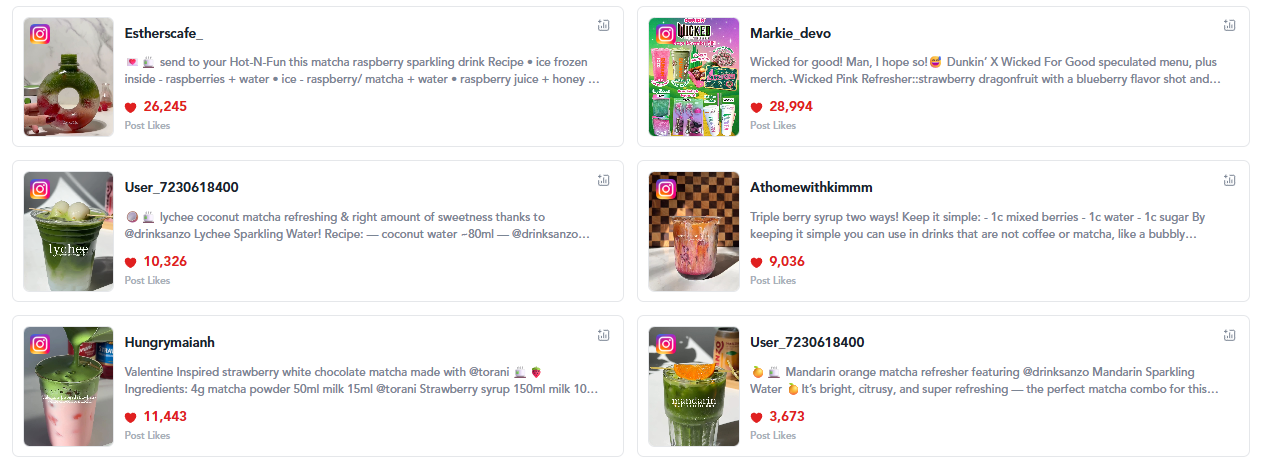
The second layer is the flavor architecture. Yuzu matcha grew +207.4% in sparkling water in the past year. Banana matcha grew +127.2% inside the matcha beverage universe. Matcha cloud grew +137.5%. These are not hypothetical concepts. They are consumer-validated flavor directions you can defend with platform data in a category review. Your R&D team has a demand-backed concept from day one, not a mood board.
The third layer is the occasion fit. Summer plus clean energy plus convenient plus refreshing is a four-signal combination that no current sparkling water SKU fully occupies. A matcha sparkling water drink with a yuzu or coconut profile owns that white space cleanly. That is the “why stock it” answer that earns an endcap or fridge door position rather than a middle shelf slot. The retail sales intelligence Tastewise provides is designed specifically for building this kind of proof-based sell-in kit.
Leveraging category analytics to secure premium endcap and fridge placement
Endcap and fridge placement decisions come down to one question: does this SKU bring a new shopper to the aisle or just move volume around? Matcha sparkling water has a direct answer, but you need the analytics to make the case cleanly.
The matcha consumer is already a premium buyer. On shelf, matcha powder sits at $18 to $55 for small-format products, a spend profile entirely distinct from a $1.49 plain sparkling water buyer. When a matcha sparkling water SKU at $3.49 to $4.99 converts even a portion of that cohort into a sparkling water occasion, the category manager sees average unit price and basket value move up simultaneously. That is the premium placement argument, and it is grounded in the buyer’s own P&L logic rather than your brand aspiration.
To build the analytics case, your team needs three numbers: the consumer overlap between premium functional beverage buyers and sparkling water buyers in the relevant banner’s footprint; the current sparkling water category average unit price in that banner; and the price delta your SKU delivers. Consumer marketing intelligence platforms let your team run these audience overlaps against real behavioral data, not modeled estimates. The numbers you bring into the buyer meeting hold up when the merchant pushes back.
Micro-market targeting for RTD tea trends: regional vs. national velocity
A national trend read on matcha sparkling water is a starting point, not a sell-in strategy. Retail buyers manage specific regional store clusters, and a signal that indexes strongly on the West Coast may look entirely different in the Midwest. Presenting a national slide deck to a regional merchant signals that you have not done the work. Presenting geo-specific consumer data signals that you understand their business.
West Coast markets, California in particular, lead on matcha foodservice penetration, which is a reliable 12-to-18-month leading indicator for retail uptake in premium beverage categories. Northeast urban markets like New York, Boston, and Washington D.C. skew toward premium wellness beverages and Japanese-influenced flavors at rates well above the national average. Midwest and Southeast markets require a different lead claim: less “Japanese wellness tradition,” more “clean energy upgrade for your summer routine.”
For your sales team, this means your matcha sparkling water pitch to a West Coast natural channel buyer and your pitch to a Midwest mass-market buyer need to use different consumer evidence. The product is the same. The story is localized to the shopper profile the buyer actually serves. That precision separates your pitch from every other summer innovation deck in the buyer’s inbox. AI food trend analysis tools are built to produce exactly this kind of geo-specific demand map.
What this means for beverage brands in 2026
For innovation and R&D
Stop developing flavor profiles without demand data behind them. Yuzu matcha, coconut matcha, and banana matcha each have consumer validation right now. Run your concept pipeline against the signals that are already moving, and your internal sell-in process gets faster because every concept arrives pre-validated.
For category managers
Your matcha sparkling water SKU is a basket-building asset, not a new flavor entry. Lead with the premium consumer overlap argument in every buyer conversation. “Premium” in sparkling water grew +9.2% in the past year. That growth rate is your shelf-space justification.
For sales enablement
Walk into your next category review with three numbers on slide one: +40.9% matcha growth in sparkling water, +207.4% yuzu matcha growth in sparkling water, and the average unit price delta your SKU delivers to the category. That is not a trend deck. That is a category development argument.
For marketing managers
The clean energy claim is your summer 2026 campaign hook. “Energy” grew +51.1% in sparkling water in the past year. A content strategy built around “the summer drink that actually does something,” anchored by the matcha energy narrative, earns shares rather than buying them. Build your content around the ritual moment: the pale green pour, the first sip on a hot afternoon, the calm focus that follows.
Predictive trends and algorithmic resets: what comes next
The retailers moving fastest are shifting toward data-informed shelf reset decisions updated in near real-time rather than reviewed quarterly. That shift has a direct implication for your brand: the teams with always-on category intelligence will see reset opportunities before they appear in syndicated data. The teams without it will be building a case after a competitor already has the shelf.
For matcha sparkling water, the window to establish category ownership is this reset cycle. Once this format reaches the “trending” lifecycle stage, which the current growth trajectory suggests will happen within two to three reset cycles, private label versions will follow. The first mover who can show velocity, repeat purchase data, and a scalable flavor architecture will be positioned to defend their footprint. The brands who wait for the trend to become obvious will arrive too late to lead.
An always-on category intelligence culture means your team monitors the matcha-in-sparkling-water signal every week, not every quarter. When the trajectory accelerates, you move first. The 2026 food and beverage trend forecast maps every emerging signal on the same trajectory as matcha sparkling water, so your team can build around what is coming rather than what just peaked.




We’d love to learn your goals and see how Tastewise fits
We’d love to learn your goals and see how Tastewise fits
Get a personalized demo
Good taste. Wise move.
Your demo request is confirmed. We’ll reach out within one business day to schedule your walkthrough.
What happens next

See what’s driving demand, then turn it into a sell-in story for retailers and operators.
- Connect consumer panels, market trackers, and agents into one evidence view
- Get the “why” behind what’s changing, with explainable demand drivers
- Walk away with a buyer-ready narrative and next steps to activate
Trusted by



“Tastewise is my secret tool for knowing what consumers want next and why.“