





Food Trends Forecast 2026
Download the report to see how new food trends are shaping the future of the F&B industry, built on exclusive consumer and market data.
Back your 2026 food strategy with demand data
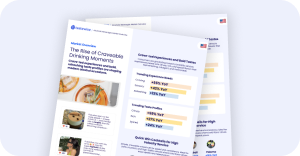


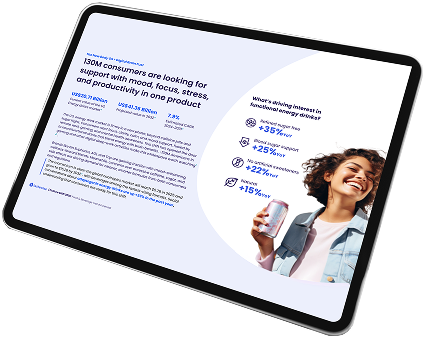
What’s inside the Food Trends Forecast Report
The Food Trends Report reveals 12 emerging trends and the consumer behaviors, ingredients, and menu signals that drive them.
2026’s 12 defining food trends
Spot new food trends early with data-driven forecasting, real consumer behavior, and actionable predictions for the future.
Macro shifts shaping micro trends
New food trends are driven by changing consumer behavior and industry shifts. Turn these signals into predictions with data-driven forecasting.
Tastewise GenAI methodology
Analyze billions of data points to uncover new food trends in real time. Turn consumer behavior into forecasting and predictions that shape the future of the industry.
Formats, flavors & functions
New food trends are driven by formats, flavors, and functionality. Turn these signals into forecasting and predictions for the future of the industry.
Turn 2026 trends into innovation
Download the report to see what new food trends are shaping the future of the industry.
FAQs about new food trends
The food and beverage landscape in 2026 is being shaped by shifts in consumer behavior, technology, and cultural identity. Brands are seeing growing demand for more personalized food experiences, functional ingredients that support health and wellness, and products that connect consumers to authenticity and regional roots. New food trends are also emerging around texture-driven experiences, snackable formats, and meals designed for specific lifestyles or dietary goals. These developments reflect a broader movement toward innovation that blends flavor, function, and storytelling as brands adapt to what consumers will want in the future.
Food trends are predicted by a mix of industry analysts, research firms, and technology platforms that analyze large volumes of consumer data. Organizations like Tastewise combine artificial intelligence with billions of consumption signals, from social media, recipes, menus, and retail data, to identify patterns and generate predictions about the future of food. By tracking real consumer behavior across multiple channels, these platforms help companies anticipate new food trends before they become mainstream across the industry.
The food and beverage industry is currently experiencing rapid transformation driven by consumer demand for transparency, health-focused products, and culturally inspired flavors. Brands are investing in functional foods, sustainability-focused ingredients, and flexible meal formats that fit modern lifestyles. At the same time, companies are increasingly using AI-driven forecasting and real-time consumer insights to guide product innovation and marketing strategies. These shifts are pushing the industry toward faster decision-making and more data-informed predictions about consumer demand.
Tastewise helps brands identify emerging food and beverage trends by analyzing billions of consumption signals across social media conversations, restaurant menus, recipes, and retail data. Using AI-powered forecasting, the platform translates this information into actionable predictions about which ingredients, dishes, and behaviors are gaining momentum. This allows companies to detect new food trends early, validate product ideas, and make more confident decisions about innovation, marketing campaigns, and category strategy across the industry.
Looking ahead, food trends in 2026 will continue to reflect a blend of cultural exploration, health functionality, and personalized eating experiences. Consumers are expected to prioritize foods that support specific wellness needs while also delivering bold flavors and unique textures. Regional cuisines, flexible portion sizes, and customizable meal formats will also play a larger role as consumers look for food that fits their lifestyle and identity. For brands across the industry, the future will depend on their ability to use forecasting and consumer intelligence to turn these predictions into successful product and marketing strategies.