







Cookie butter trends are becoming one of the most fascinating shifts in the sweet spreads category as consumers head into 2026.
With interest rising across retail, foodservice, and social platforms, cookie butter is moving from a niche indulgence to a mainstream flavour driver.
What’s Driving the Rise of Cookie Butter
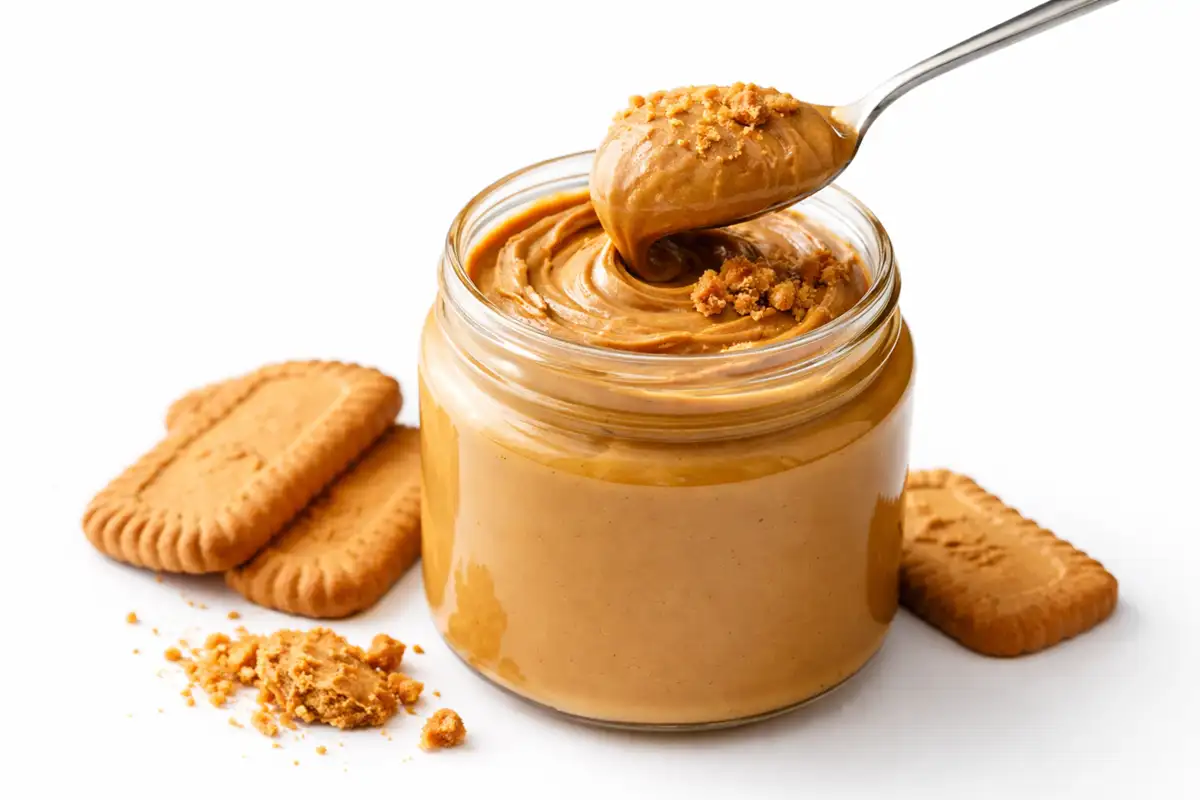
The growth of the cookie butter trend can be linked to several major forces and reflects broader dessert trends shaping consumer behaviour.
First, nostalgia marketing continues to influence how people choose desserts and spreads.
Cookie butter taps directly into childhood associations with biscuits and warm baked goods, making it both comforting and exciting.
The second driver is premiumisation. People increasingly gravitate toward small luxuries that feel special without breaking their budget, and cookie butter’s creamy texture and rich flavour profile fit perfectly. The third factor is convenience.
Whether spread, blended, or drizzled, cookie butter offers a quick flavour boost that aligns with busy lifestyles and at-home snacking occasions.
Cookie Butter Trends in Foodservice and Retail
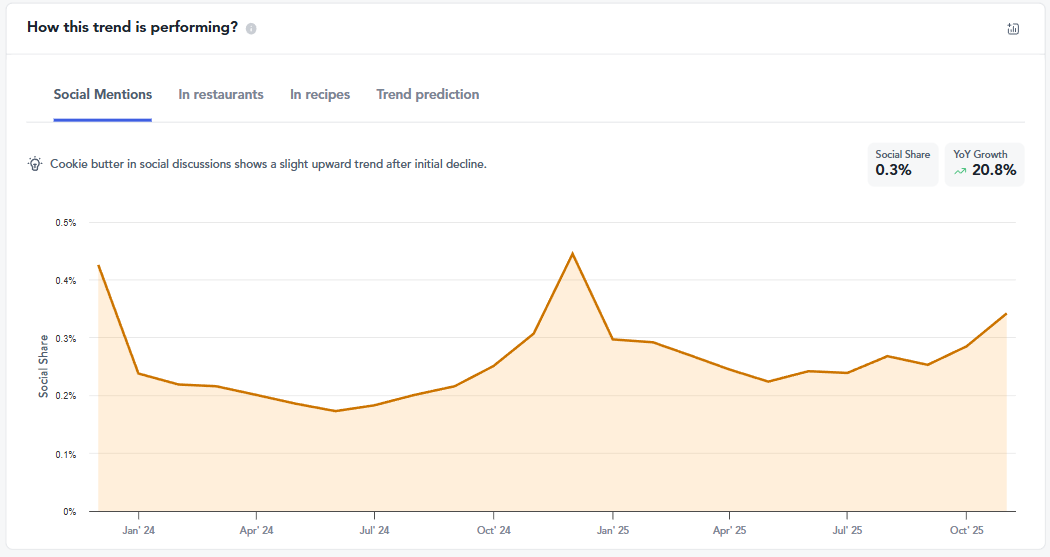
Foodservice operators and retailers are rapidly expanding their cookie butter offerings in 2026.
Below are five key trends shaping how the category evolves across menus and store shelves.
1. Cookie Butter Beverages in Coffee Chains
Coffee shops are introducing cookie butter lattes, cold foams, frappes, and seasonal syrups.
The creamy, spiced profile pairs naturally with espresso and iced beverages, making it one of the fastest-growing menu additions in cafés and bakery chains.
2. Cookie Butter Filled and Topped Pastries
Bakeries are using cookie butter as a filling for croissants, donuts, rugelach, and stuffed cookies.
Foodservice teams are also adding cookie butter drizzles on muffins, waffles, and French toast, elevating classic breakfast items.
3. Retail Expansion Through Private Label Lines
Supermarkets are launching their own cookie butter spreads in jars, squeezable bottles, and single-serve snack packs.
This mirrors wider butter trends where retailers diversify into flavoured and indulgent spreads to attract value-conscious shoppers.
4. Frozen Desserts Featuring Cookie Butter
Ice cream brands and frozen dessert makers are incorporating cookie butter swirls, crunch mixes, and biscuit crumble layers, aligning this category closely with broader ice cream trends emerging in 2026.
Gelato shops are launching signature flavours that combine cookie butter with chocolate, caramel, or seasonal spices.
5. Cookie Butter as a Cross Category Ingredient
Retailers and manufacturers are integrating cookie butter into cereals, snack bars, filled chocolates, baked goods, and ready-to-drink shakes.
This cross-category adoption allows brands to capitalise on the popularity of cookie trends in multiple product formats.
Flavor Innovations Shaping the Category
The category’s evolution is strongly influenced by broader cookie trends that favour bold, layered flavours.
In 2026, brands are experimenting with cookie butter inspired by cinnamon rolls, tiramisu, salted caramel, chai spice, red velvet, and toasted marshmallow.
Limited batch collaborations between biscuit manufacturers and boutique chocolatiers are introducing hybrid concepts that cross dessert inspirations with nostalgic cookies.
Chocolate chip cookie trends are also influencing new formulations. Many companies are blending cookie butter with tiny chocolate chips, cocoa nibs, or caramelised white chocolate to mimic the flavour of freshly baked cookies.
These innovations help maintain excitement and keep the category competitive in a crowded sweet spreads market.
How Consumers Are Using Cookie Butter in 2026
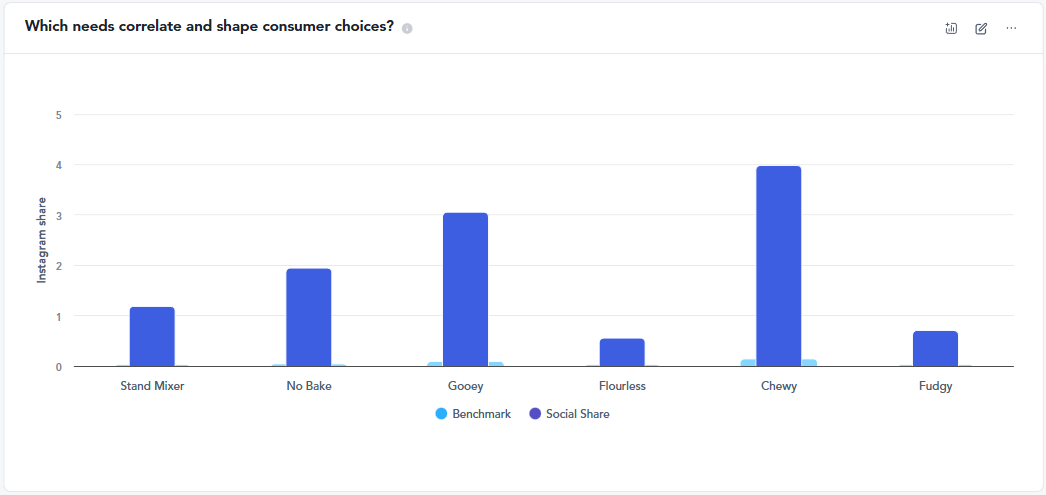
Home cooks in 2026 are more experimental than ever. Cookie butter is being used far beyond its original purpose as a spread, becoming a core ingredient for both everyday meals and celebratory dishes. Popular uses include:
- Swirling into morning porridge or yoghurt
- Mixing into protein shakes for a dessert-like flavour
- Using it as a filling for cakes, doughnuts, and crepes
- Melting over waffles and pancakes
- Blending into iced coffees and milkshakes
- Creating no-bake cheesecakes and truffles
The at-home baking revival, driven by social platforms, continues to influence biscuit trends as well. Cookie butter is often used to enhance crumbly biscuit bases or to add depth to classic recipes like banana bread and brownies.
Health, Nutrition, and Ingredient Shifts
While cookie butter is an indulgence, ingredient trends in 2026 show a move toward cleaner labels and more mindful formulations.
Brands are reducing artificial flavours, lowering refined sugar levels, and introducing options made with oat flour, almond meal, or whole grain biscuits.
Palm oil-free versions are earning significant consumer trust, and some manufacturers are experimenting with protein-enriched or fibre-fortified cookie butter spreads.
Plant-based diets also play a role, pushing growth in vegan formulations that replace dairy with coconut cream or nut butters.
Although cookie butter is not inherently a health food, these changes help align it with the broader food trends of transparency, sustainability, and ingredient quality.
Seasonal and Limited Edition Cookie Butter Trends
Seasonality remains a major sales accelerator. Autumn sees the return of pumpkin spice cookie butter, maple pecan blends, and gingerbread biscuit-inspired flavours.
Winter retail collections often feature peppermint brownie, speculoos and chocolate swirl, and spiced festive biscuit variations.
Spring highlights fruity pairings such as lemon shortbread and raspberry crumble cookie butter.
Summer brands typically lean toward lighter, ice cream-inspired flavours like birthday cake, caramel crunch, and honey biscuit.
These seasonal releases help retailers generate excitement and repeat visits, while tapping into the predictable rhythms of holiday baking and celebratory moments.
Social Media and Viral Recipe Influence
Social platforms are one of the strongest forces shaping cookie butter trends. Viral videos featuring three-ingredient desserts, air fryer pastries, and indulgent drinks often include cookie butter as the hero ingredient.
TikTok, Instagram, and YouTube creators have positioned cookie butter as a shortcut to bakery-level flavours at home.
Influencers are also driving cross-category experimentation. Recipes combining cookie butter with matcha, tahini, miso, or chilli flakes are gaining traction, reflecting the wider appetite for flavour mashups.
As with many food trends, shareability and visual appeal are key: cookie butter’s glossy texture and dramatic drizzle effect make it ideal for high-engagement content.
How Tastewise supports cookie butter innovation decisions
As cookie butter expands across categories in 2026, food brands need to decide where to invest next. Tastewise helps food brands validate innovation decisions by showing which cookie butter formats, flavours, and use cases show sustained demand.
By analysing cookie butter activity across menus, retail products, and at-home recipes, Tastewise highlights where growth is strongest, whether in beverages, bakery, frozen desserts, or cross-category products.
These insights help brands avoid chasing short-lived hype and instead align launches with real consumption behaviour, reducing risk and improving speed to market.
Market Outlook and Future Predictions in 2026
The cookie butter category is set to grow steadily through 2026, driven by consumer demand for indulgence, convenience, and creative at-home use.
Foodservice partnerships will expand applications in beverages, frozen desserts, and bakery items, while retailers introduce more functional options such as reduced sugar, high protein, and allergen-friendly variants.
Flavour innovation and co-branded launches between biscuit makers and spread producers will remain key growth drivers, alongside rising demand for responsibly sourced ingredients and sustainable packaging.
Overall, cookie butter is well-positioned to remain a cultural and culinary touchpoint in 2026, supported by its versatility and emotional appeal.
FAQs
Cookie butter is a creamy spread made from crushed spiced biscuits or cookies blended with oils, sugar, and flavourings. It has a sweet, warm, caramelised taste and a smooth, spreadable consistency.
Generally no. Peanut butter contains more protein and fewer added sugars, while cookie butter is primarily an indulgent dessert style spread.
A traditional butter cookie is made from butter, sugar, flour, and sometimes vanilla. Its simple recipe creates a rich, crumbly texture.
Regular butter is made from churned cream, while cookie butter is made from ground cookies mixed with fats and sweeteners. Cookie butter is used more as a dessert spread or baking ingredient.
Yes. Alternatives include peanut butter, almond butter, hazelnut spread, or homemade blends made from crushed biscuits mixed with a neutral oil.
You can spread it on toast, swirl it into desserts, mix it into drinks, or enjoy it by the spoonful. It is extremely versatile.
Most store bought cookie butter does not require refrigeration. It should be stored in a cool cupboard unless the label states otherwise.
In many cases, homemade cookie butter can be cheaper, especially if using leftover biscuits. However, store bought versions offer convenience and consistent texture.
Tastewise analyses real-time menu, retail, and consumer data to identify which cookie butter formats and flavours show sustained demand.



We’d love to learn your goals and see how Tastewise fits
We’d love to learn your goals and see how Tastewise fits
Get a personalized demo
Good taste. Wise move.
Your demo request is confirmed. We’ll reach out within one business day to schedule your walkthrough.
What happens next

See what’s driving demand, then turn it into a sell-in story for retailers and operators.
- Connect consumer panels, market trackers, and agents into one evidence view
- Get the “why” behind what’s changing, with explainable demand drivers
- Walk away with a buyer-ready narrative and next steps to activate
Trusted by





“Tastewise is my secret tool for knowing what consumers want next and why.“