







The shift (USA, past year): Cheese pizza still leads pizza conversation at a 13.53% social share, but interest is declining, down 11.1% over the past year, while pepperoni pizza holds steadier at 10.21% and is down just 2.1%. Pepperoni as a topping is the real growth engine, up 6.1%. Both sit at the same 1.10% menu share, so momentum, not menu presence, separates them – and it points toward bold, pepperoni-forward formats. The full demand, growth, and menu breakdown by product is in the Tastewise report.
Let’s dig into the data on what’s happening with cheese pizza trends and pepperoni pizza trends.
A Snapshot of the Cheese and Pepperoni Battle
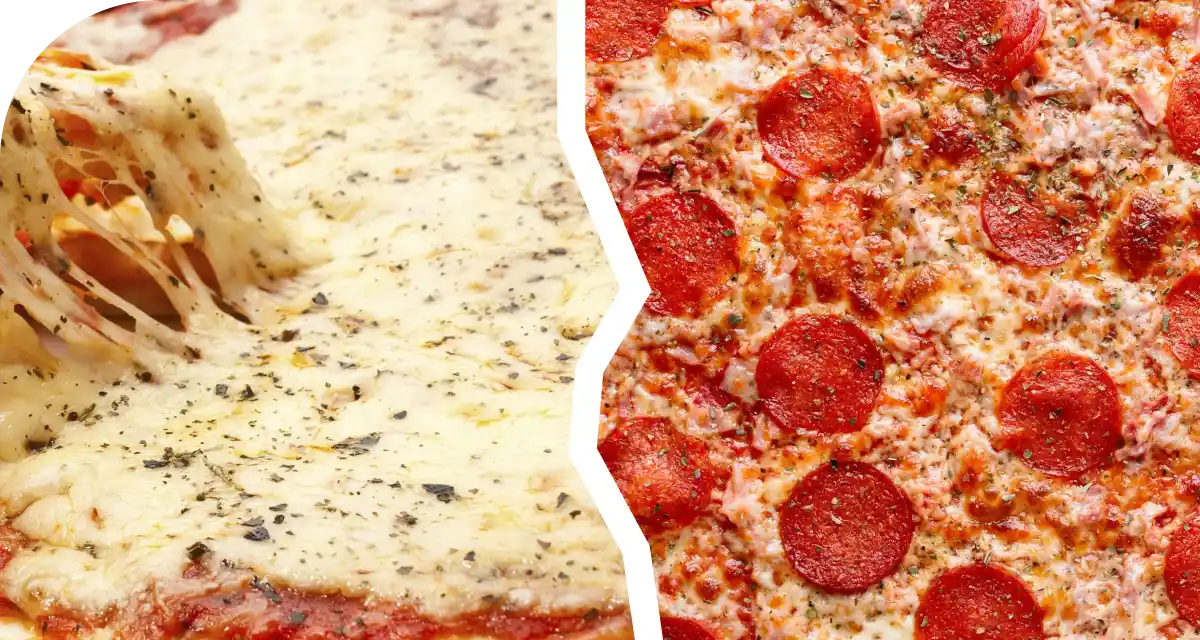
Pizza remains a universal favorite, and numbers back it up! According to Tastewise, in the U.S., over 12.28% of restaurants list cheese pizza on their menus, while 16.58% of them feature pepperoni pizza.
The fastest-growing cuisine for cheese pizza is Mexican, which shows how traditional flavors are being reinterpreted with a twist.
On the other hand, pepperoni pizza finds its fusion with Asian cuisine, which spices things up further. Social media data reveal that pepperoni pizza trends have surged by 4.22% in consumer discussions in the last year.
And while the classic cheese pizza serves as a canvas for creativity, pepperoni’s appeal remains strong for those who like an extra punch of flavor.
What is cheese pizza?
Cheese pizza is the classic foundation of pizza, the “plain slice” that puts a spotlight on crust, sauce, and cheese alone.
Typically made with mozzarella, it’s a blank slate that highlights the quality of these core ingredients. Cheese pizza offers a straightforward experience—no distractions, just the essentials.
But the classic cheese pizza isn’t staying plain. Many pizzerias and consumers are finding ways to elevate it with ingredients like vegan cheeses, gourmet crusts, or even healthier toppings.
This focus on simplicity with potential for customization is why cheese pizza trends are leaning toward personalization and alternative diets.
What is pepperoni pizza?
Pepperoni pizza is simply cheese pizza with an added layer of thin-sliced pepperoni, which delivers a salty, savory flavor.
Pepperoni is America’s favorite topping for a reason: it pairs well with the creamy mozzarella, providing a delicious contrast in flavor and a satisfying bite. It’s a choice for pizza lovers who want a little bit more without overwhelming the core pizza structure.
Like cheese pizza, pepperoni has also seen tweaks, from crumbled versions to spicy alternatives, tapping into the latest pepperoni pizza trends that cater to fans of bold flavors.
Social media trends and consumer demands are evolving, showing that pepperoni remains relevant with added versatility.
Differences between cheese pizza and pepperoni pizza
Here’s a quick table summarizing the core differences:
| Feature | Cheese Pizza | Pepperoni Pizza |
| Base Ingredients | Cheese, tomato sauce, crust | Cheese, tomato sauce, crust, pepperoni |
| Flavor Profile | Mild, creamy, rich | Savory, slightly spicy, bold |
| Popular Variants | Vegan cheese, gourmet cheese blends | Crumbled pepperoni, spicy variations |
| Fastest-Growing Cuisine | Mexican | Asian |
| Top Consumer Need | Celebration | Crumbled pepperoni for texture |
| Dominating Diet | Vegan | Vegan |
Current trends in cheese and pepperoni pizza
Pizza is never just pizza; it’s a statement of consumer tastes and industry innovation. Let’s take a look at how these trends are unfolding in the world of cheese pizza trends and pepperoni pizza trends:
Vegan Options
Interestingly, both cheese and pepperoni pizzas are increasingly offered in vegan versions. Whether it’s the use of vegan cheese or plant-based pepperoni, the demand for plant-forward choices is transforming these classics into modern, flexible menu items.
Fusion Flavors
With Mexican and Asian cuisines blending into cheese and pepperoni pizza recipes, it’s clear that consumers want new experiences from familiar foods.
Cheese pizza with Mexican flavors may include toppings like jalapeños or salsa, while pepperoni pizza with Asian influences might feature Sriracha or sweet soy glazes, satisfying cravings for international flair.
Consumer Needs – Celebration vs. Crumbled
Cheese pizza is often associated with celebrations, from birthday parties to family gatherings. Meanwhile, crumbled pepperoni appeals to consumers looking for unique textures in their meals, creating a new sensory experience.
Social Media Popularity
Thanks to a 4.22% growth in social discussions around pepperoni pizza, it’s clear that pepperoni is more than just a topping; it’s a social phenomenon. Its bold flavor resonates on platforms like Instagram and TikTok, where food influencers frequently showcase unique twists on this American favorite.
Popularity of cheese and pepperoni pizza
Cheese pizza and pepperoni pizza continue to hold their own in popularity. In terms of sheer preference, pepperoni leads: 79% of Americans think pizza is better with pepperoni on top, according to a Hormel survey.
This statistic captures the ongoing love affair with pepperoni’s unique flavor profile. And during events like National Pi Day, Americans unite in celebrating pizza—pepperoni-topped varieties most of all!
Cheese pizza is a favorite among kids and purists who prefer simpler, unadorned tastes. For many, cheese pizza is the nostalgic choice, reminding them of childhood and familiar gatherings.
Its role as a “neutral” pizza option has a timeless appeal, making it a staple for those who value straightforward flavors without the extras.
Cheese pizza vs. pepperoni pizza – who wins?
So, who takes the crown in the battle of cheese pizza vs. pepperoni pizza? Well, it depends on who you ask. Pepperoni pizza undoubtedly wins in popularity and social media buzz, resonating with consumers who crave a bold, savory experience.
However, cheese pizza holds steady as a versatile, classic choice, appealing to both traditionalists and modernists who appreciate the simplicity and adaptability it offers.
Whether it’s cheese or pepperoni, pizza isn’t just food; it’s an evolving story of consumer preferences, social trends, and cultural shifts. As both continue to adapt to trends like plant-based diets, fusion cuisines, and customization, the pizza landscape remains as exciting and flavorful as ever.
FAQ
Cheese pizza is the base of crust, tomato sauce and mostly mozzarella. Pepperoni pizza is that same base with a layer of thin-sliced pepperoni added, giving a saltier, spicier, meatier bite.
Plain cheese pizza usually has less saturated fat and sodium because pepperoni is a processed, cured meat. Pepperoni adds protein and flavor. Neither is a health food; portion and crust matter most.
It depends on the recipe, not the topping. A heavier cheese layer can push a plain slice past a pepperoni one, which is why some chain cheese slices show more calories than their pepperoni version.
Pepperoni is America’s favorite topping, so pepperoni pizza wins on stated preference and social buzz. Plain cheese stays the default base and a kids and purist favorite, keeping broad everyday reach.
Taste is personal. Cheese pizza is mild, creamy and a clean canvas for customization. Pepperoni adds a salty, slightly spicy, savory punch. Choose cheese for versatility, pepperoni for bolder flavor.
Largely yes. Pepperoni pizza shares the same dough, sauce and mozzarella as cheese pizza, then adds pepperoni. That is why many menus price it as cheese pizza plus a topping.
Yes, usually. Adding pepperoni, a cured meat, raises the protein and fat of a slice versus plain cheese. The exact gain depends on how much pepperoni is used.
By Tastewise US data over the past year, cheese pizza leads on conversation share but is declining, while pepperoni pizza is steadier and pepperoni as a topping is growing. Momentum favors pepperoni-forward formats.




We’d love to learn your goals and see how Tastewise fits
We’d love to learn your goals and see how Tastewise fits
Get a personalized demo
Good taste. Wise move.
Your demo request is confirmed. We’ll reach out within one business day to schedule your walkthrough.
What happens next

See what’s driving demand, then turn it into a sell-in story for retailers and operators.
- Connect consumer panels, market trackers, and agents into one evidence view
- Get the “why” behind what’s changing, with explainable demand drivers
- Walk away with a buyer-ready narrative and next steps to activate
Trusted by





“Tastewise is my secret tool for knowing what consumers want next and why.“