Brasil menu trends in 2026 are not about chasing something new. They are about doing the familiar better. Across the country, diners are leaning back into the comfort dishes they grew up with, then asking for them gourmet, creamier and a little more considered. For your menu team, that shift changes what earns a spot on the card and what earns a higher price. This piece hands you the signals behind Brasil restaurant menus this year and shows you where the room to move sits.
Key takeaways
- Buzz around gourmet execution is climbing fast, up nearly a quarter, so your kitchen can premiumise a dish diners already love rather than sell them something unfamiliar. (Social)
- Strogonoff, farofa, requeijão and caldo are all on the rise, a clear cue to rework the classics on Brasil restaurant menus instead of importing trends. (Social and foodservice)
- Talk of creamy textures has jumped sharply since last year, so a rich, spoonable hook is one of the cheapest ways to make a familiar plate feel premium. (Social)
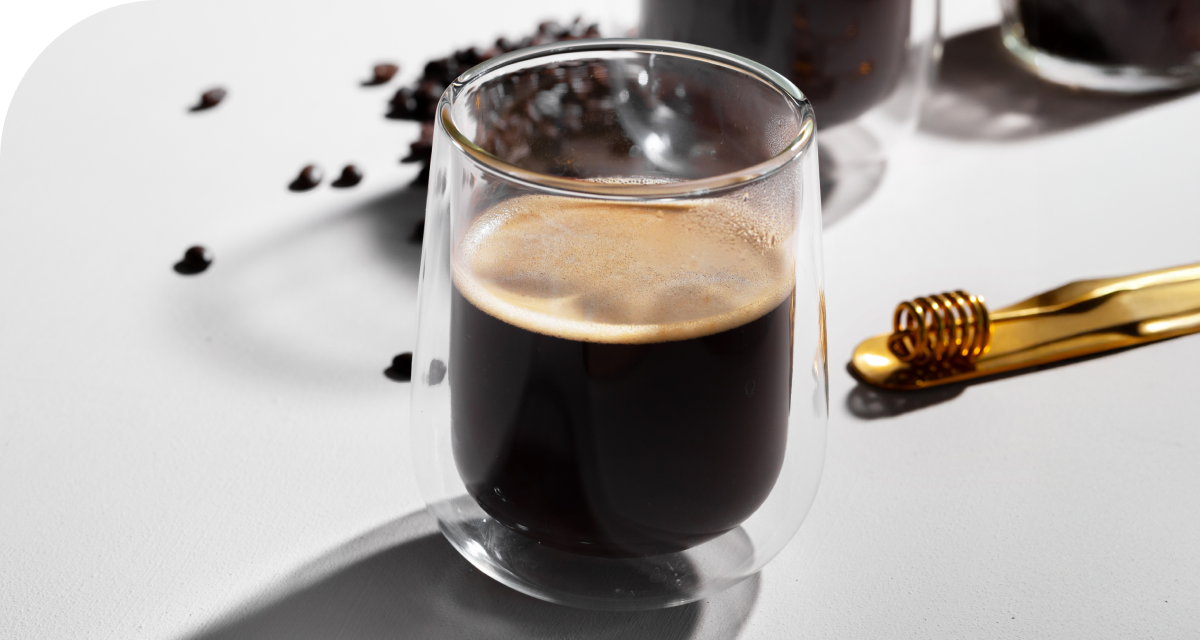
- Filter coffee, café coado, has more than tripled in conversation over the past year, pointing your daypart menu toward a premium everyday coffee ritual. (Social)
- Demand signals for convenient and easy are climbing, so grab-and-go and delivery-ready formats deserve real menu space in QSR and fast casual. (Social and foodservice)
- Brazilians spend close to half their food budget eating out, so every menu call carries revenue weight and rewards the teams that move first. (Foodservice)
2026 Brasil menu trends in context
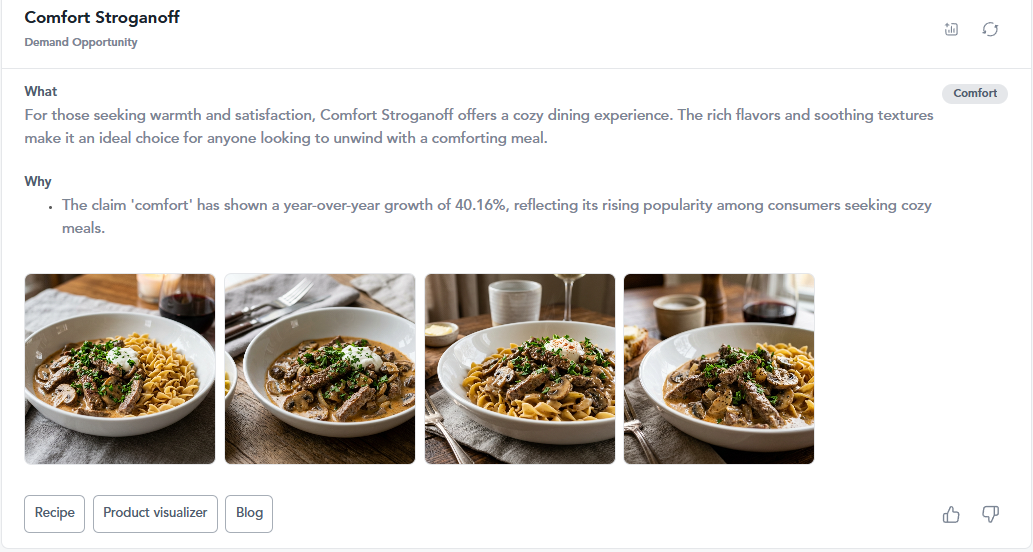
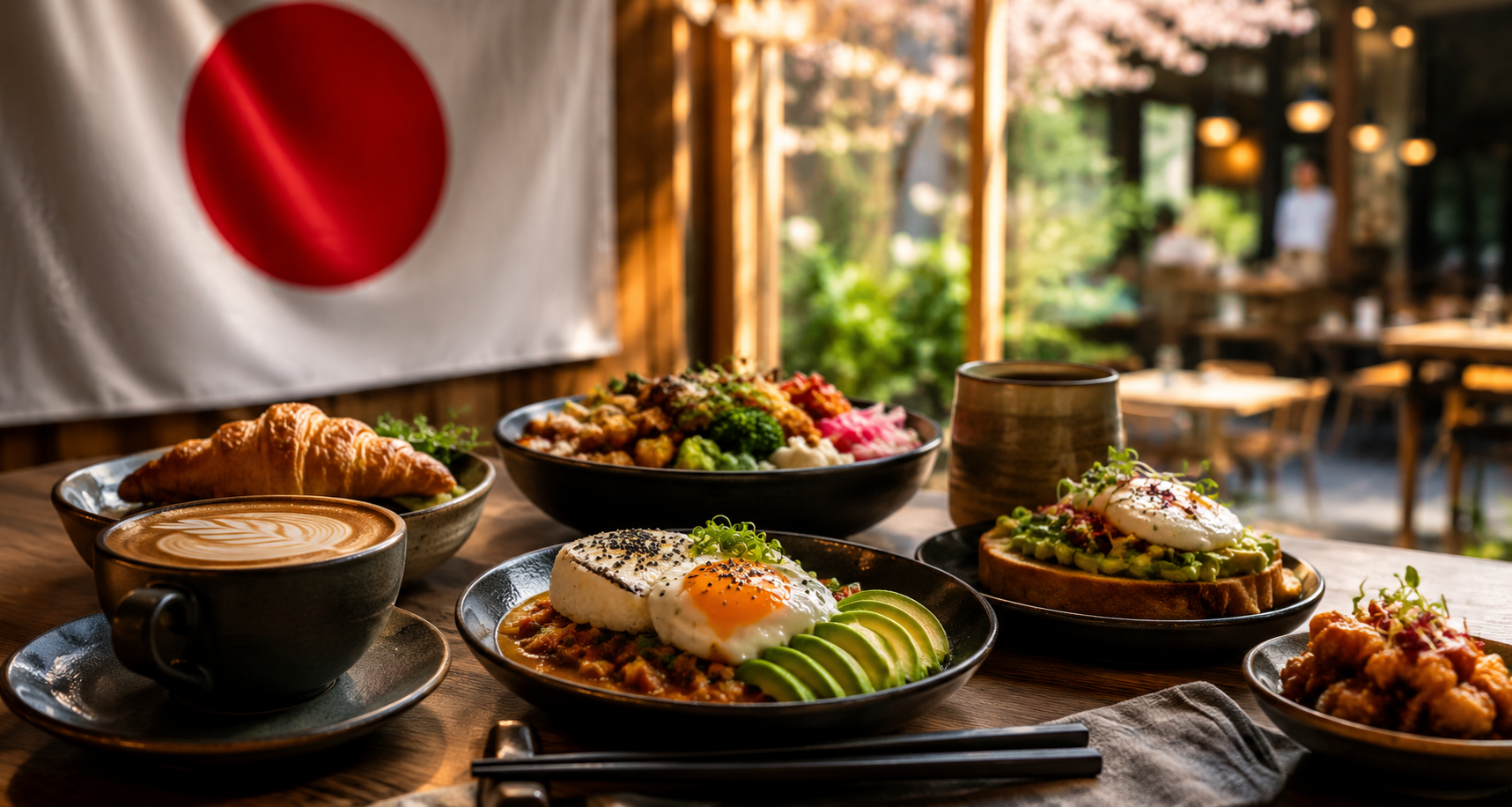
The story on Brasil restaurant menus this year is elevated comfort. Diners are not walking away from feijoada, strogonoff or a good caldo. They want those dishes made with more care, better cuts and a gourmet finish. Rising talk of gourmet, up about 23% on last year, sits right next to talk of comfort. Familiarity is the base. Quality is the upgrade.
Tastewise, the agentic intelligence system for food and beverage, tracks this across a live Brasil panel of roughly 396,600 people. Strogonoff conversation is up about 25% in the past year, with caldo up more than half and mandioca up close to a fifth. On the demand side, creamy is one of the fastest movers, nearly doubling in buzz. These are buzz signals, not menu counts, so read them as momentum rather than share.
That gap between fast-rising interest and cautious kitchens is where your team wins. A high-familiarity base lowers the risk of a bold new format. You are not teaching diners a new flavour. You are giving them a better version of a plate they already order. Smart food intelligence starts by matching that appetite before competitors crowd in.
Pillar 1: elevated comfort classics
Brasil menu innovation in 2026 leans on dishes diners already trust. Strogonoff, farofa, requeijão and mandioca are all climbing in conversation. Rework them with premium cuts, a gourmet plating cue and a clear origin story. The trust is already there. You are charging for the execution.
Pillar 2: texture and indulgence
Texture is doing the selling. Talk of creamy has nearly doubled since last year, with soft up about half and oven-baked up close to a quarter. Risoto, nhoque and lasanha are all rising too. Lead a new dish with a rich, spoonable or melted hook and it reads premium before the first bite.
Pillar 3: the everyday coffee ritual
Coffee is becoming a daily ritual, not a quick refill. Café coado, filter coffee, has more than tripled in conversation in the past 12 months, while robusta and arábica both climb. Build a considered coffee moment into your daypart menu. It is a low-cost, high-margin way to lift the everyday visit.
How a menu team put these signals to work
Illustrative scenario, not a named client.
The challenge: a menu innovation director at a multi-unit Brasilian fast-casual chain faced an 18-month development cycle. Annual menu scans kept surfacing trends after rivals had already launched them. Costs were rising and the read on demand was always late.
The action: working from live signals, the team spotted the elevated-comfort pull early. They cross-referenced rising strogonoff and creamy-texture buzz against their own menu and found a clear opening for a gourmet strogonoff bowl. Real-time AI workflows replaced the once-a-year scan.
The result, illustrative: concept validation dropped from about 18 months to under 6, and the new bowl reached top-quartile daypart performance within a single season.
The quote, illustrative: “We stopped guessing what diners wanted and started building from what they were already reaching for, faster than we ever had.” VP of Culinary Innovation.
What the consumer signals are really saying
Brazilian diners are not trading down on taste. They are trading up on comfort. As eating out competes with a tighter budget, the plates that win are the ones that feel generous and familiar at once. That is why gourmet and reconfortante are rising together rather than pulling apart.
Convenience is the second thread. Demand talk around convenient and easy is on the rise, and fast, quick-turn formats keep climbing. Diners want the elevated version without the wait. On Brasil restaurant menus, that favours dishes that plate fast but still look considered.
The through-line is confidence. A creamy strogonoff or a well-made caldo carries low ordering risk and high satisfaction. Your team can build boldly on that base, because the diner is already halfway to yes.
The market opportunity on Brasil restaurant menus
The gap is execution, not invention. Interest in elevated comfort is running ahead of what most kitchens have put on the card. Independent operators make up the vast majority of Brazil’s bars and restaurants, which keeps the category fragmented and slow to standardise a premium version. First movers can own the elevated take on a classic before it becomes table stakes.
Waiting is the real cost. The USDA puts Brazil’s foodservice sector on track to grow about 7% a year to 2028, and the dishes trending now will be everywhere within a season or two. Land the premium strogonoff or the signature caldo first and you set the reference point. Arrive late and you are competing on price.
Projected market growth: about 7% a year to 2028, per USDA.
Unmet demand signal: elevated-comfort buzz is rising while premium menu execution still lags.
Cross-channel mechanics: how the trend shows up
At home, comfort is a creative playground. Recipe conversation around strogonoff, nhoque and pudim keeps rising, with home cooks putting gourmet spins on weeknight staples. That home experimentation is your early-warning system for what diners will soon expect when they eat out.
Out of home, the business-type split is clear. Casual dining holds the largest share of farofa on menus, close to a third, and has held that lead steadily across the past two years. QSR and midscale each sit near a fifth, with QSR edging up, while fine dining barely features. So the elevated-comfort play lives in casual dining today, and QSR is the lane to watch for a faster, grab-and-go version.
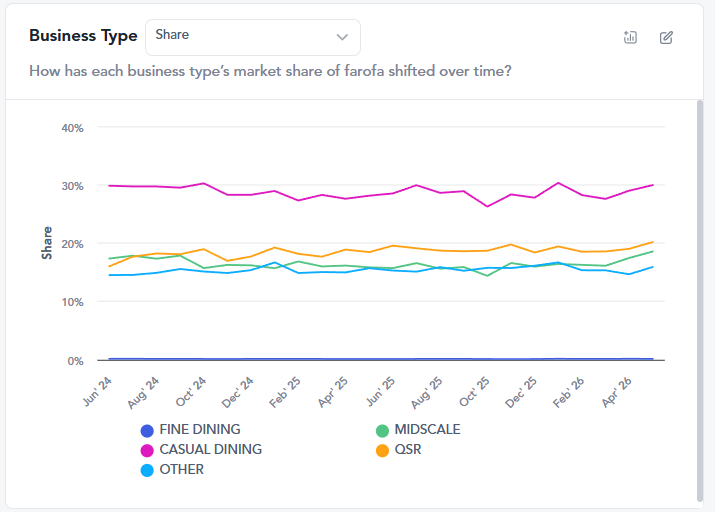
A note on scope. The farofa views here draw on live menu data by state and by business type. Broader dish-by-dish menu share still needs a dedicated pull for each dish, so treat menu-presence claims beyond farofa as directional.
Top channel growth: casual dining owns the farofa menu today, while QSR is the fastest-rising lane in the mix, carried by convenience demand and grab-and-go formats.
Key ingredients and flavours to watch
Growth figures below describe social conversation, or buzz, not menu share.
- Café coado (filter coffee): buzz up more than 250%, the fastest riser in this pull. A premium everyday coffee ritual for the daypart menu.
- Strogonoff: buzz up about 25%. The comfort classic to premiumise first.
- Caldo (broth): buzz up more than 50%. A warming, low-cost anchor with room to elevate.
- Requeijão: buzz up around 22% in the past year. A creamy, native cue that reads indulgent.
- Mandioca (cassava): buzz up close to a fifth over the past year. A versatile, proudly Brazilian base across sweet and savoury.
- Canjica and pamonha (corn sweets): buzz up 60% or more. Nostalgic desserts ready for a modern, plated update.
Regional demand across Brasil
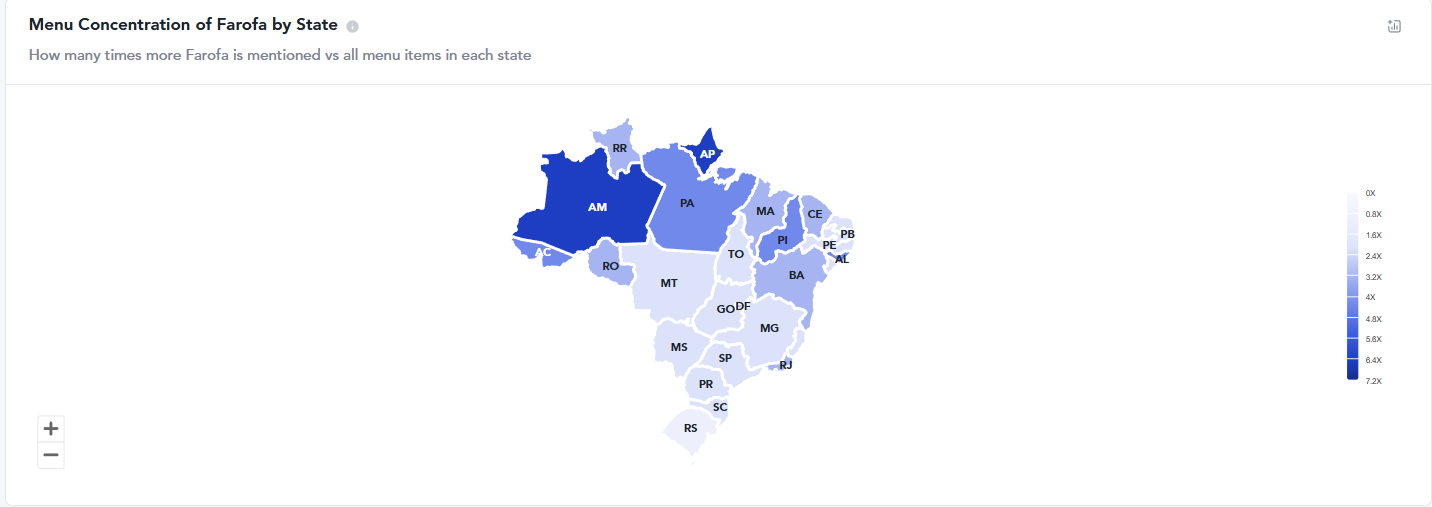
Farofa is a sharp lens on how regional identity shapes Brasil restaurant menus, and the concentration is not where you might expect. Menu concentration here measures how often farofa appears relative to all menu items in a state. The northern states lead by a wide margin.
Amazonas and Amapá show the deepest farofa concentration, up to around seven times the national menu average, with Pará, Piauí and Bahia close behind. The large southern markets, São Paulo, Rio de Janeiro and Rio Grande do Sul, run much lighter. Read this as menu presence, not consumer adoption.
For your team, that flips the usual playbook. Farofa is already a menu staple in the North, so the room to lead with a premium, differentiated version sits in the South and Southeast, where menu presence still trails the dish’s cultural pull.
What your team should do next
For R&D and menu developers: start with the classics, not a blank page. Prioritise a gourmet strogonoff, a signature caldo and a creamy, spoonable hero. New concept validation against live signals de-risks the launch.
For marketing: name the quality, not the novelty. Menu copy that says gourmet, artisanal and creamy matches what diners are already reaching for. Skip the unfamiliar and sell the better version.
For sales and operations: lead with convenience. Grab-and-go and delivery-ready formats of the elevated classics fit QSR and fast casual, and give your operator pitches a demand-backed story.
About this data
The signals in this page are powered by Tastewise, an intelligence system that reads billions of real-life consumer data points across social platforms, recipes and menus to give a real-time view of Brasil menu trends. This pull drew on a Brasil panel of roughly 396,600 people and about 1.2 million posts, refreshed from live social and recipe data rather than an annual scan.
Two notes on method. The growth figures here describe social conversation velocity, or buzz, not consumer adoption or menu share. For Brasil, the broad operator pull returned limited data, though dish-level menu views are available and are shown here for farofa by state and by business type. Treat menu-presence claims for other dishes as directional.
- Social food and beverage panel: about 1.2 million posts analysed.
- Dishes tracked: about 204,800.
- Restaurants observed: about 44,200.
- Updates: refreshed from live daily signals.
By blending live social signals with recipe and menu data, your team gets a current read on demand, not a rear-view snapshot, before committing budget to a launch.
FAQs about brasil menu trends
Three lead the year: elevated comfort classics, creamy and indulgent textures, and a premium filter-coffee ritual. Strogonoff conversation is up about 25% and talk of creamy has nearly doubled.
Mostly execution. Buzz around gourmet is up about 23% and artisanal about 26%, while the dishes themselves stay familiar. The win is premiumising what diners already order.
Filter coffee, café coado, leads with buzz up more than 250%. Caldo is up more than half, requeijão around 22% and strogonoff about 25%.
QSR and fast casual. Demand signals for convenient and easy are climbing, and grab-and-go breakfast and lunch formats give operators a fast route to the elevated classics.
It is live. The pull reads about 1.2 million posts and refreshes from daily social and recipe signals, rather than relying on an annual menu scan.
No. They describe social conversation velocity, a momentum signal, paired with a panel reach of roughly 396,600 people. Exact menu share needs a dedicated operator pull to confirm.