






Kombucha trends 2026 show the category moving from niche wellness into a mainstream functional beverage, now competing with coffee, cold brew, and non-alcoholic beer alternatives. As part of broader functional beverage coverage, kombucha is gaining traction across retail, foodservice, and social platforms like TikTok, Instagram, RedNote, Substack, and Reddit r/kombucha, reflecting strong cultural relevance and daily consumption patterns.
According to Tastewise consumer intelligence data, kombucha now appears across thousands of restaurant menus globally while generating over 40,000 social mentions, signaling sustained demand driven by gut health, sober-curious lifestyles, and ritual consumption.
Key takeaways
- Kombucha trends 2026 are driven by functional stacking, low-sugar reformulation, and non-alcoholic positioning
- Berry, ginger, and citrus lead demand, while yuzu, hibiscus, and butterfly pea are fastest-growing flavors
- According to Tastewise consumer intelligence data, gut health remains the top functional driver
- Hard kombucha trends show stabilization, while non-alcoholic formats expand
- The kombucha market 2026 is growing steadily toward 2030 with strong functional beverage demand
- Innovation sits at the intersection of flavor, function, and format
What is kombucha and why is it still trending in 2026?
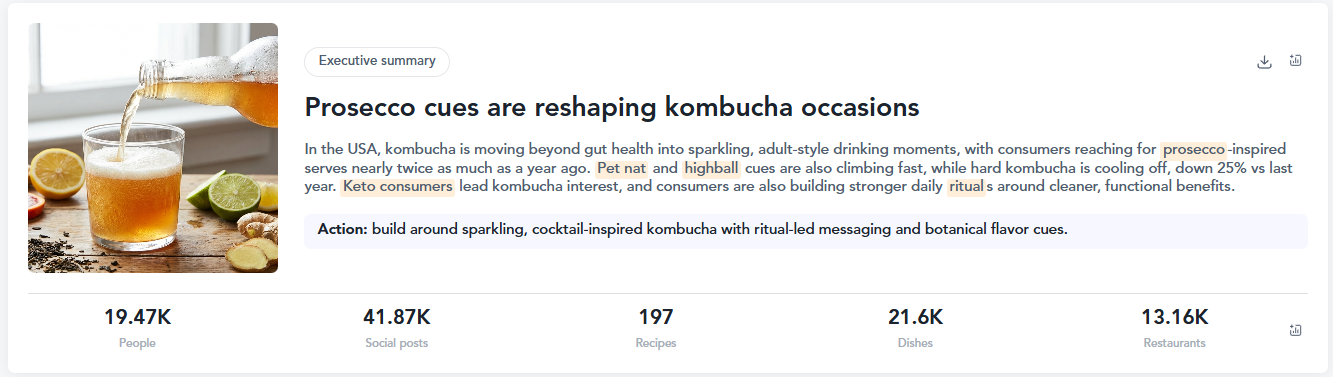
Kombucha is a fermented tea beverage made using SCOBY that delivers probiotic benefits and matters because it aligns with demand for functional, low-alcohol drinks.
Kombucha is produced by fermenting black tea or green tea with a symbiotic culture of bacteria and yeast, creating a lightly sparkling drink rich in organic acids and live cultures. According to Tastewise consumer intelligence data, growth is increasingly tied to daily rituals and clean performance motivations.
This matters because kombucha now competes with coffee and alcohol alternatives in everyday consumption. Leading players such as GT’s Living Foods, Health-Ade, Brew Dr. Kombucha, Humm Kombucha, Kevita, Remedy, and Rowdy Mermaid continue to expand distribution and reinforce category visibility.
The 7 kombucha trends defining 2026
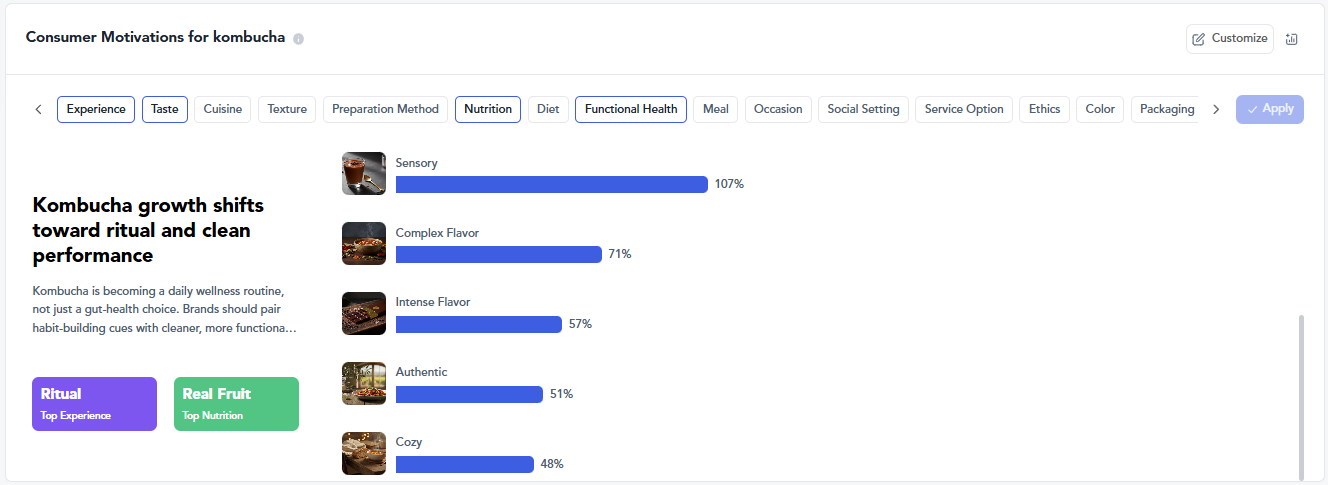
Kombucha trends 2026 are product and positioning patterns that matter because they define how brands win across innovation, marketing, and foodservice.
Functional stacking
Kombucha is being combined with adaptogens and nootropic ingredients like ashwagandha, reishi, and lion’s mane to deliver multiple benefits. According to Tastewise consumer intelligence data, functional ingredient mentions are growing rapidly. This matters because innovation teams can unlock white space through multi-benefit formulations.
Zero- and low-sugar reformulations
Kombucha is being reformulated to meet low-sugar and GLP-1 friendly demand. Sugar-conscious behavior is rising among Gen Z and Millennials. Brands should prioritize reformulation insights to maintain shelf relevance.
Hard kombucha trends and second wave positioning
Hard kombucha is being reframed as a craft beer alternative, with brands like Boochcraft, Flying Embers, and JuneShine leading the space. While overall category interest has softened, crossover occasions remain strong. This matters because hybrid positioning can capture both alcohol and wellness consumers, especially in occasions where consumers compare kombucha vs beer.
Sober-curious positioning
Kombucha is a non-alcoholic beverage that matters because it supports California sober and wellness-driven lifestyles. According to Tastewise consumer intelligence data, this behavior is especially prominent among Gen Z, Millennials, and wellness-driven parents adopting sober-curious habits.
Global flavor passports
Kombucha is incorporating global ingredients like yuzu, hibiscus, and butterfly pea flower. According to Tastewise consumer intelligence data, botanical and global flavors are growing quickly. This supports premium positioning and menu differentiation.
Prebiotic-probiotic hybrids
Kombucha is being enhanced with prebiotic fiber alongside probiotics to strengthen gut health claims. This matters because consumers increasingly expect layered functional benefits.
Food-pairing kombucha
Kombucha is being positioned as a meal pairing that matters because it competes with wine in foodservice. Operators can use this for LTO opportunities and menu optimization, especially when aligning with broader beverage innovation patterns seen in the 2026 trend forecast.
Popular kombucha flavors in 2026
The most popular kombucha flavors in 2026 are berry, ginger, tropical fruit, and botanical blends, with yuzu, hibiscus, and butterfly pea leading the fastest-growing newcomers.
Classic flavors still dominating
Berry remains the leading kombucha flavor, followed by ginger and lemon, due to strong associations with freshness and gut health. According to Tastewise consumer intelligence data, mature flavors like ginger, lemon, and honey continue to anchor demand and appear consistently in the “mature” lifecycle stage.
Cherry and mint maintain steady performance across retail and foodservice, supported by familiarity and versatility. This matters because these flavors provide a stable base for innovation, allowing brands to layer functional or botanical elements without losing consumer trust.
Fastest-growing flavors
Yuzu, hibiscus, butterfly pea flower, elderflower, blood orange, pomegranate, passionfruit, and cucumber-mint are leading the next wave of kombucha flavors 2026. According to Tastewise consumer intelligence data, botanical and bold ingredients are accelerating, with lemon verbena growing by +96% and mango chili by +60% year over year.
Grapefruit (+55%) and plum (+45%) also show strong upward momentum, while lifecycle data places ingredients like mango chili, lemon verbena, and reishi in emerging stages. This matters because these flavors signal premium positioning and global exploration, creating clear whitespace for new product development.
Functional flavor pairings
Functional flavor pairings are combinations of taste and benefit that matter because consumers increasingly expect beverages to deliver both experience and performance.
Ginger and turmeric support immunity positioning, while berry and reishi align with stress support. Matcha paired with lion’s mane targets focus and nootropic benefits, with lion’s mane showing +445.4% yearly growth in consumer discussions according to Tastewise consumer intelligence data.
Hibiscus combined with ashwagandha supports relaxation, while yuzu is strongly associated with sensory appeal, including “zesty” (+105%) and “citrusy” (+98%) attributes. This matters because pairing flavor with function increases perceived value and drives repeat consumption.
What the flavor data tells brands
Flavor innovation is shifting from single-note classics to layered botanical and functional combinations that matter because they unlock new consumption occasions and premium positioning.
For innovation teams, this signals a need to prototype across flavor plus claim territories, not just flavor alone, especially by combining emerging botanicals with functional ingredients. For marketing teams, it enables persona-led storytelling tied to specific consumption occasions, as seen across broader beverage insights in coca cola trends and adjacent categories.
For foodservice operators, these insights create clear LTO opportunities by pairing bold flavors like mango chili or grapefruit with functional messaging that aligns with consumer expectations.
Kombucha health benefits backed by 2026 consumer data
Kombucha health benefits are consumer-perceived functional attributes linked to gut health, immunity, energy, detox, and stress support that matter because they directly influence purchase decisions and product positioning.
Gut health
Gut health is the primary benefit consumers associate with kombucha due to its probiotic and fermentation origins. According to Tastewise consumer intelligence data, digestive support remains the most recognized functional association, reinforced by continued interest in probiotics and emerging postbiotic claims.
This matters because gut health acts as the entry point for trial and repeat purchase. Brands should keep messaging simple and credible, focusing on digestive wellness while layering additional benefits.
Immunity
Immunity is associated with kombucha through ingredients like real fruit, ginger, and turmeric that consumers link to overall wellness. According to Tastewise consumer intelligence data, real fruit is the leading health claim in kombucha, with nearly 1 in 4 consumers choosing it, while postbiotics are rapidly growing with significantly higher engagement year over year.
This matters because immunity positioning is strongest when paired with recognizable ingredients. Brands should lead with real fruit and support it with clean-label claims like no additives and chemical-free formulations.
Energy
Energy is associated with kombucha through naturally occurring caffeine from tea and perceived “clean energy” benefits. Consumers increasingly connect kombucha with sustained, balanced energy rather than the sharp spikes associated with traditional energy drinks.
This matters because kombucha competes with coffee and cold brew in daily routines. Brands should position energy as part of a broader “clean performance” narrative tied to focus and productivity.
Detox
Detox is associated with kombucha through fermentation, organic acids, and clean-label cues. According to Tastewise consumer intelligence data, claims like chemical-free and bioavailable are gaining traction, reflecting consumer interest in simpler, more transparent products.
This matters because detox messaging is evolving toward “clean label” rather than extreme health claims. Brands should emphasize ingredient transparency and minimal processing to build trust.
Stress and mental wellness
Stress support is associated with kombucha through adaptogenic and nootropic ingredients like ashwagandha, reishi, and lion’s mane. According to Tastewise consumer intelligence data, interest in kombucha paired with lion’s mane has grown significantly, with +445.4% yearly growth in consumer discussions.
This matters because mental wellness is becoming a core functional driver. Brands should combine calming or focus-support ingredients with familiar flavors to create approachable, daily-use products.
What this means for food & beverage brands in 2026
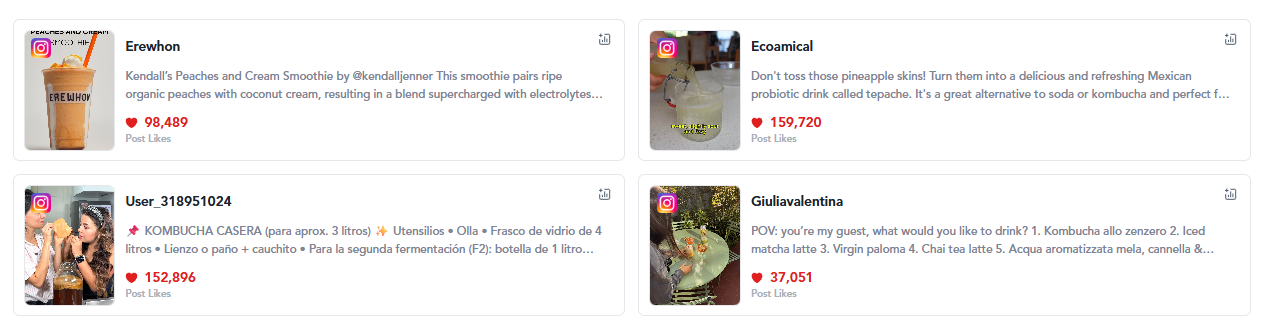
Kombucha trends are strategic signals that matter because they guide innovation, marketing, and menu decisions. For innovation and R&D teams, the opportunity sits in functional stacking and low-sugar formulations that unlock white space and accelerate speed to shelf through stronger product innovation strategies.
For innovation and R&D teams
Kombucha is a format that offers clear white space in functional stacking, low-sugar reformulation, and botanical flavor development. According to Tastewise consumer intelligence data, ingredients like lemon verbena (+96%) and lion’s mane (+445.4%) are gaining momentum. This matters because combining emerging ingredients with proven bases like berry or ginger can accelerate speed to shelf and reduce risk.
For marketing teams
Kombucha is a culturally relevant beverage that matters because it connects with sober-curious consumers and daily wellness rituals. Platforms like TikTok and Instagram continue to drive discovery through functional storytelling and flavor trends. This matters because brands can build campaign-ready narratives around “clean energy,” gut health, and alcohol alternatives tied to specific moments.
For insights and strategy teams
Kombucha is a leading indicator within the functional beverage category that matters because it reflects broader consumer demand for multi-benefit drinks. According to Tastewise consumer intelligence data, the convergence of probiotics, postbiotics, and adaptogens signals a shift toward layered functionality. This matters because tracking kombucha provides adjacent insights across coffee, non-alcoholic beverages, and wellness categories.
For foodservice operators
Kombucha is a menu-ready beverage that matters because it supports premium positioning and non-alcoholic pairings. According to Tastewise consumer intelligence data, kombucha is increasingly used in food-pairing occasions, competing with wine and cocktails. This matters because operators can create LTO opportunities using bold flavors like mango chili or yuzu paired with functional claims.
The 2027 outlook, where kombucha goes next
The future of kombucha is continued expansion into functional, global, and occasion-based consumption that matters because it defines long-term category growth.
Functional stacking will continue to grow, with more products combining probiotics, postbiotics, and nootropic ingredients like lion’s mane and ashwagandha. According to Tastewise consumer intelligence data, multi-benefit beverages are gaining traction as consumers prioritize efficiency and daily wellness.
Global flavor exploration will accelerate, with botanical and fruit-forward ingredients like yuzu, hibiscus, and citrus blends expanding across markets. This matters because flavor innovation will remain a key driver of premiumization and differentiation.
Hard kombucha is expected to stabilize and find a clearer role within the alcohol alternative space. While overall interest has softened, crossover occasions with beer and seltzer remain relevant, creating opportunities for targeted positioning.
Retail and category consolidation may increase as larger beverage players expand their functional portfolios. This matters because brands that align flavor, function, and format early will be better positioned to defend shelf space and scale distribution.
FAQs about kombucha trends
The biggest kombucha trend in 2026 is functional stacking, where kombucha is combined with adaptogens and nootropic ingredients to deliver multiple benefits. According to Tastewise consumer intelligence data, consumers are increasingly seeking beverages that support stress, focus, and gut health in one product.
The most popular kombucha flavors in 2026 are berry, ginger, and citrus, which continue to dominate baseline demand. Fast-growing flavors include hibiscus, yuzu, butterfly pea, and passionfruit, driven by interest in botanical and globally inspired profiles.
Kombucha remains popular in 2026 due to its alignment with gut health, functional beverages, and sober-curious lifestyles. According to Tastewise consumer intelligence data, it continues to expand across retail, foodservice, and social platforms like TikTok and Instagram.
The kombucha market is expected to grow steadily through 2030, supported by demand for functional and low-alcohol beverages. Growth will be driven by innovation in flavors, functional ingredients, and ready-to-drink formats.
Kombucha is widely used as a non-alcoholic alternative because it offers complex flavors and a similar ritual experience to beer or cocktails. It is especially popular among sober-curious consumers and those following California sober lifestyles.
Kombucha flavors 2026 to watch include yuzu, hibiscus, butterfly pea flower, pomegranate, and cucumber-mint. These flavors are gaining traction due to their premium positioning and strong presence across social discovery platforms.
Kombucha compares to beer as a low or non-alcoholic beverage that offers complexity without alcohol. It is increasingly positioned in similar consumption occasions, especially among consumers seeking healthier alternatives.
Kombucha plays a central role in the functional beverage category as a probiotic drink associated with gut health and clean energy. It bridges the gap between wellness and everyday consumption.
Adaptogenic kombuchas are gaining traction because they combine gut health benefits with stress and focus support. According to Tastewise consumer intelligence data, interest in adaptogens continues to rise across functional beverage categories.




We’d love to learn your goals and see how Tastewise fits
We’d love to learn your goals and see how Tastewise fits
Get a personalized demo
Good taste. Wise move.
Your demo request is confirmed. We’ll reach out within one business day to schedule your walkthrough.
What happens next

See what’s driving demand, then turn it into a sell-in story for retailers and operators.
- Connect consumer panels, market trackers, and agents into one evidence view
- Get the “why” behind what’s changing, with explainable demand drivers
- Walk away with a buyer-ready narrative and next steps to activate
Trusted by





“Tastewise is my secret tool for knowing what consumers want next and why.“