







We all know that an effective marketing strategy is a must-have for brands looking to boost conversions and drive sales, but how do you ensure your efforts are targeting the right audience? Understanding the key differences between shopper marketing vs. trade marketing can play a vital role in ensuring your approach is tailored, impactful and, ultimately, successful.
What is shopper marketing?
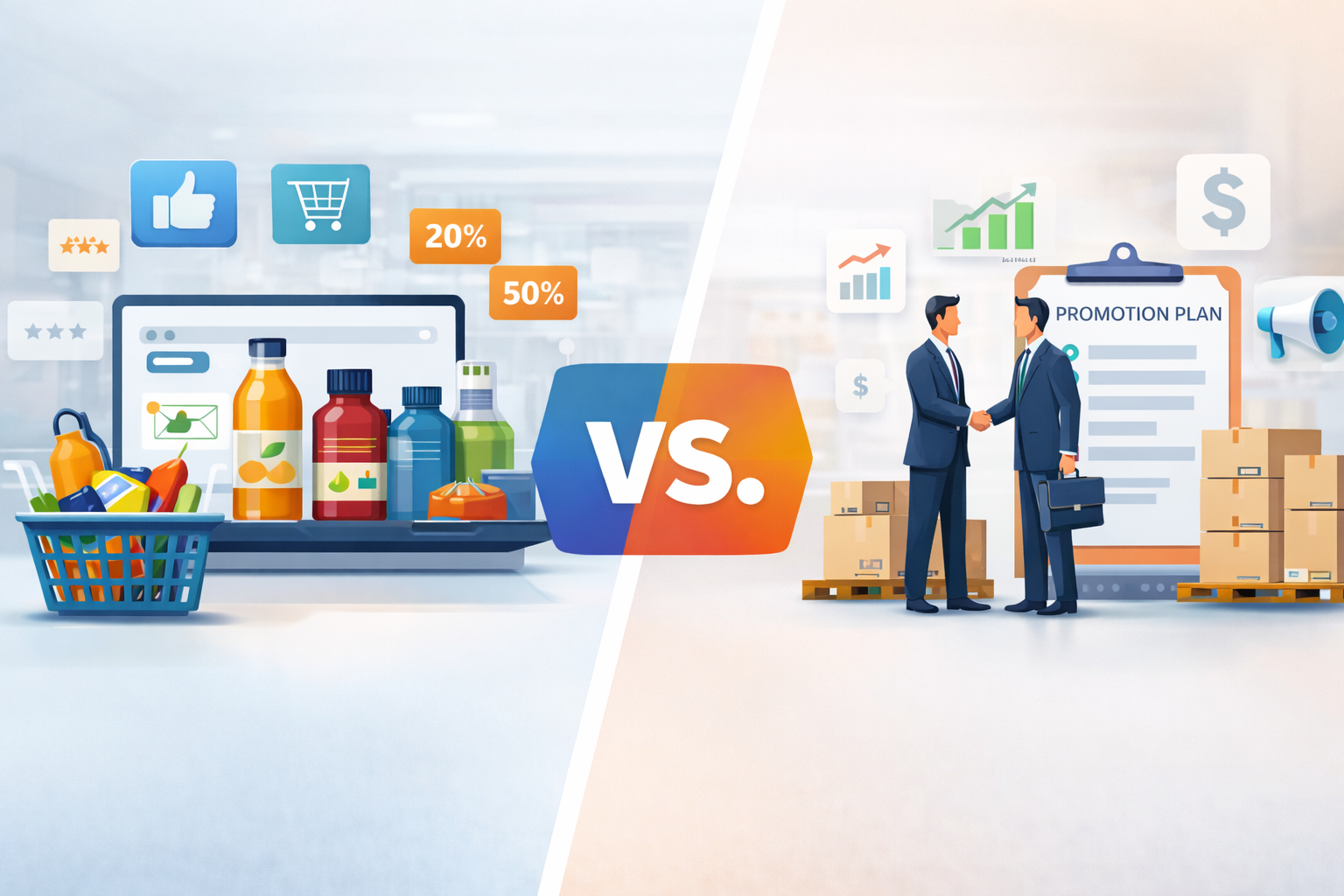
Shopper marketing focuses on influencing end users and consumers, rather than appealing to distributors or buyers at other points in the funnel. Shopper marketing is geared towards individual customers and often seeks to influence buying behaviors at or near a point of purchase. Think social media advertisements, retail displays and television commercials.
Standard shopper marketing strategies center around shaping buyer behaviors and standing out from competitors in virtual and in-person retail environments. Shopper marketing and CPG shopper marketing play vital roles in driving conversions and building a strong brand presence across multiple channels.
What is trade marketing?
Trade marketing differs from traditional shopper marketing in that it aims to influence retail and business partners rather than individual consumers. Trade marketing is, fundamentally, a business-to-business (B2B) initiative that seeks to draw in distributors, wholesalers and other partners that have the power to scale up sales and boost brand recognition.
Many trade marketing efforts rely on dynamic negotiations and partnership incentives to attract high-value collaborators. CPG brands often rely heavily on trade marketing to expand their reach and provide them with a robust network of retailers who can advance CPG sales and growth across multiple regions or verticals.
Key differences between shopper marketing and trade marketing
The biggest differences between shopper marketing and trade marketing have to do with their respective target audiences. While shopper marketing strategies focus on end consumers, trade marketing efforts emphasize retail partners and distributors who can help deliver and market products to their end users.
Some other key differences between shopper marketing and trade marketing include:
- Objectives: The goal of shopper marketing is to influence purchase decisions at or near the point of sale. By contrast, the goal of trade marketing is to expand a product’s reach through retail and distribution partnerships.
- Execution: Shopper marketing initiatives are typically executed via in-store displays, social media advertising, ecommerce platforms and other multimedia advertising approaches. Trade marketing usually takes shape via sales programs, trade promotions and B2B marketing initiatives.
- Messaging: Shopper marketing campaigns commonly highlight the relative value, efficacy and relevance of a particular product. Trade marketing, on the other hand, emphasizes growth, margins and opportunities for differentiation in crowded markets.
- Timing: Trade marketing efforts typically take shape earlier than shopper marketing efforts, as the impact of a brand’s trade marketing initiatives can directly impact how and when end consumers are exposed to a particular product.
While the end goal of both marketing approaches is more or less to increase visibility and boost sales, understanding the key differences between these strategies can help CPG marketing teams improve performance and zero in on opportunities for brand-wide synergy.
How brands use both to influence buying behavior
While it’s important to know your audience, sometimes the most effective retail strategies are those that embrace both shopper and trade marketing practices. Brands can invest in marketing at both the trader partner and end consumer levels to set them up for success from end to end.
The process often begins with a trade marketing investment to help companies secure the retail partnerships they need to ensure product visibility. From there, companies can get more granular about their shopper marketing approaches to ensure their products stand out on crowded digital and physical shelves. By effectively combining trade and shopper marketing initiatives, brands can increase their reach and lay a solid foundation for sustainable growth.
Where data fits into modern retail marketing decisions
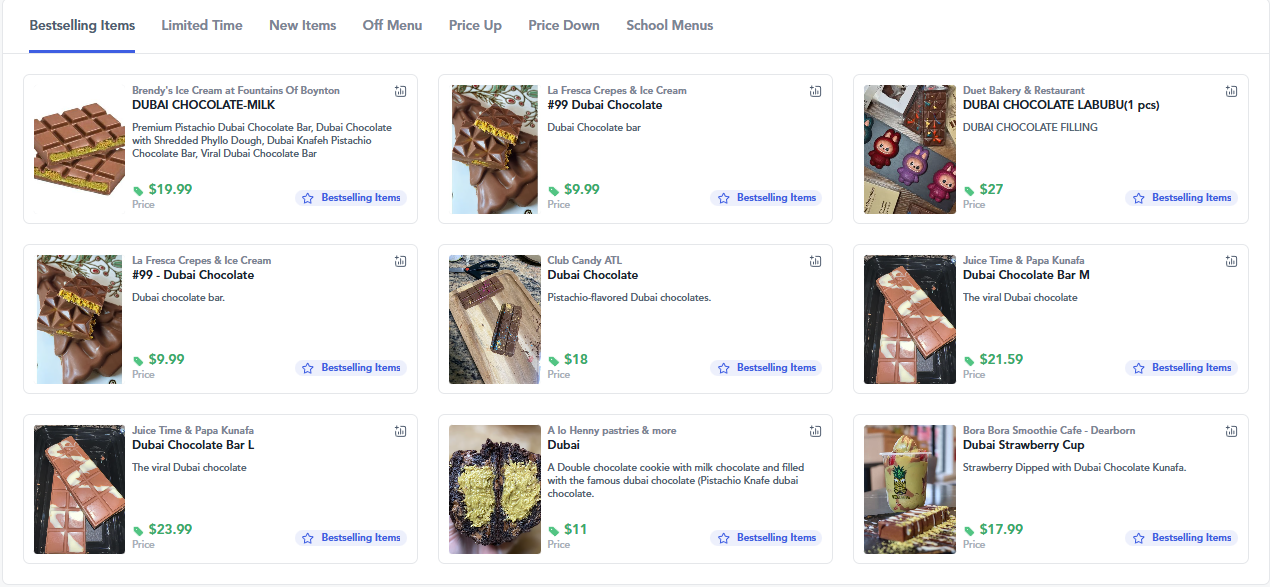
Regardless of whether you’re prioritizing trade marketing or shopper marketing as part of your growth plan, accurate data will play a vital role in maximizing the return on your investments. Historical data, intuition and educated guesses are far from reliable when it comes to making decisions about how and to whom you market your products.
Real-time data and advanced predictive analysis can help CPG brands track and respond to broader food shopping trends and evolving consumer preferences so they don’t waste valuable resources on misguided marketing initiatives. Accurate data can help marketing teams devise and tailor promotions, partnership incentives and practical marketing campaigns that appeal more directly to their target audiences without inadvertently alienating potential consumers.
The more you can embrace and incorporate actual data into your marketing decisions, the more likely you are to roll out products, campaigns and initiatives that resonate with consumers while expanding your reach.
Using Tastewise insights for better marketing decisions
Tastewise helps brands make smarter, more impactful shopper and trade marketing decisions by delivering real-time, AI-powered data insights. Tastewise’s consumer intelligence platform provides CPG brands with invaluable information about consumer behaviors, industry trends, performance patterns and more so marketing teams can tailor their efforts to the actual preferences of modern shoppers.
Tastewise data can also help brands identify potential opportunities for collaboration and retail partnerships to help companies maximize the value of their retail relationships. It’s all about standing out from the crowd, and the data offered by Tastewise empowers brands of all shapes and sizes to do precisely that.
Final thoughts
In an ideal world, shopper marketing and trade marketing would be treated as synergistic initiatives rather than competing strategies. By leveraging data about emerging trends, industry patterns, and shopper behaviors, CPG brands can cultivate shopper and trade marketing approaches that complement one another for maximum impact.
Brands that recognize the value of real-time data when developing their marketing strategies stand poised to deliver brand experiences that effectively stand out in a sea of competitors. With Tastewise, marketing teams have convenient, user-friendly access to the data and resources they need to make informed decisions and tell a clear story about their brand, products and mission. This is all while boosting conversions and jump-starting sustainable growth.
FAQs about Shopper Marketing vs. Trade Marketing
Shopper marketing approaches cater to end consumers at or near the point of purchase, while trade marketing initiatives are aimed at identifying and recruiting retail partnerships to broaden distribution and increase visibility.
Both approaches matter in the grand scheme of things. Trade marketing sets the stage for effective shopper marketing by giving brands a platform from which to market their products to their target shoppers.
You may have an incredible shopper marketing plan in the works, but without trade partners, your products likely won’t cut through the noise of competition. Similarly, it doesn’t matter how many retail or distribution partners you have in your corner if you don’t have a way to ensure your products stand out on crowded shelves.
Yes, and they should! By crafting an aligned, synergistic marketing strategy that focuses on both retail partners and individual shoppers, brands can strengthen their presence and ensure maximum reach.





We’d love to learn your goals and see how Tastewise fits
We’d love to learn your goals and see how Tastewise fits
Get a personalized demo
Good taste. Wise move.
Your demo request is confirmed. We’ll reach out within one business day to schedule your walkthrough.
What happens next

See what’s driving demand, then turn it into a sell-in story for retailers and operators.
- Connect consumer panels, market trackers, and agents into one evidence view
- Get the “why” behind what’s changing, with explainable demand drivers
- Walk away with a buyer-ready narrative and next steps to activate
Trusted by





“Tastewise is my secret tool for knowing what consumers want next and why.“