






In a multibillion dollar space like consumer packaged goods, comprehensive financial planning is a non-negotiable for brands looking to stay afloat in 2026 and beyond. As economic uncertainty and inflation cycles continue to pose challenges across nearly every vertical, high-tech tools and real-time insights might just hold the key to longevity and consistency in the months ahead.
What is a CPG in finance?
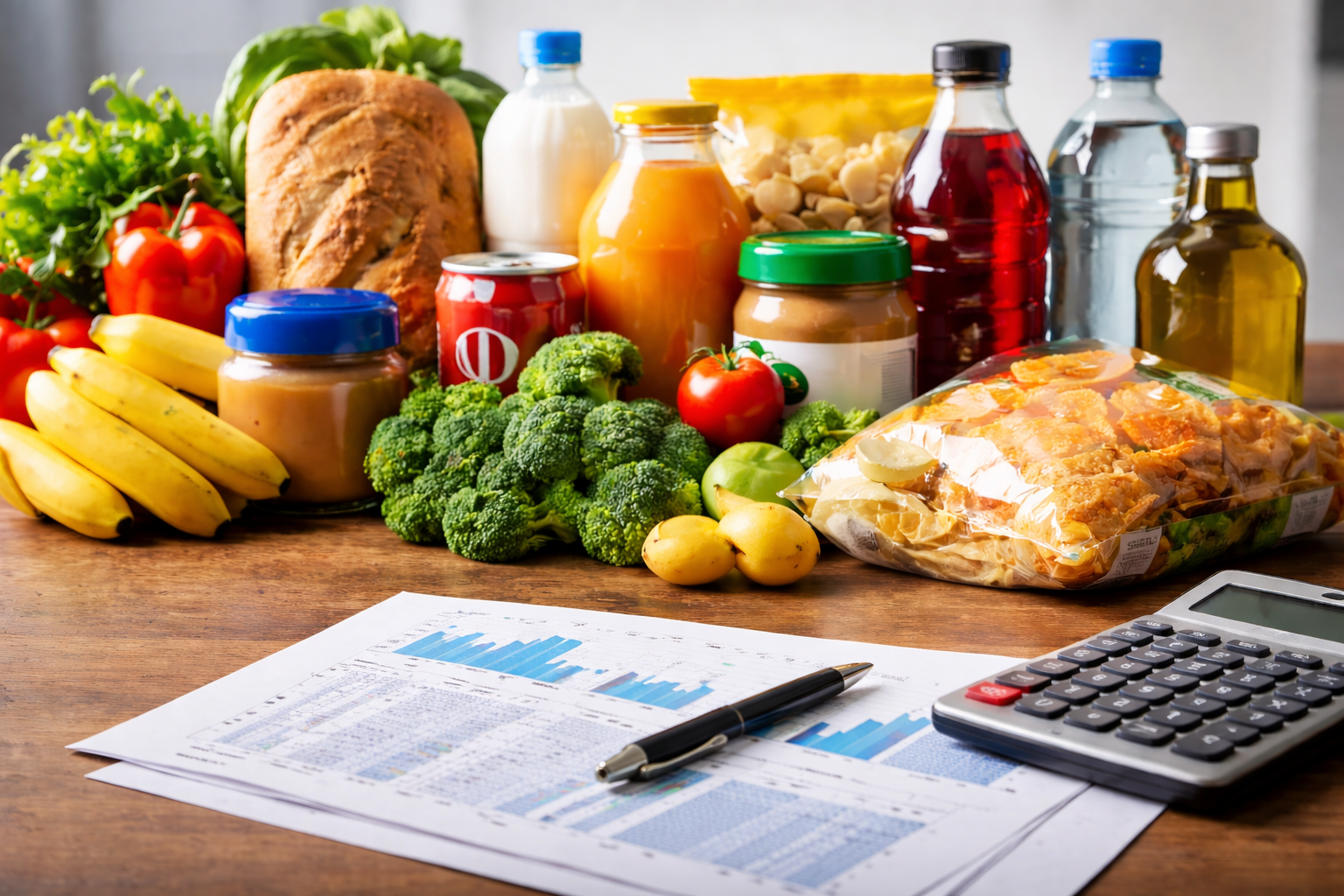
In finance, “CPG” refers to companies within the consumer packaged goods sector. These companies are tasked with turning raw materials into the foods, beverages, care products and other high-velocity goods the public relies on to meet their needs. CPG finance specifically refers to the behind-the-scenes operations that inform everything from pricing decisions to investment strategies.
As a result, CPG finance teams are often some of the most influential movers and shakers keeping brands moving, growing and evolving. Even in the best of times, careful financial planning can make or break a company at any growth stage. But in the face of widespread economic uncertainty, it’s more important than ever for CPG finance departments to take advantage of all the resources at their disposal to point their organization in the right direction.
The financial realities CPG brands face today
In September of 2025, the U.S. inflation rate was estimated at roughly 3%. As a result of rising prices and growing concerns about supply chain hang-ups, many CPG companies have taken major hits financially. Some of the factors influencing volatility in CPG finance include:
- Increasing ingredient and raw material costs
- Widespread supply chain disruptions and logistics delays
- Rising labor costs
- Growing demand for costly sustainable packaging components
- Demand fluctuations sparked by microtrends and e-commerce technology
All of these shifts have weighed heavily on the CPG industry and led finance teams to seriously reevaluate their standard operating procedures. Every element of CPG brand management – from CPG manufacturing to CPG marketing and everything in between – is vulnerable to the impact of economic uncertainty, putting major pressure on finance departments to invest in more effective long-term CPG growth strategies.
How CPGs plan and manage their budgets
Budgeting in today’s environment requires more than annual or semi-annual planning meetings in a closed-off board room. Instead, high-performing brands rely on continuous, real-time financial models that account for:
- Current and predicted ingredient and material price volatility
- The actions of competitors
- Continuously-updated margin requirements
- Marketing and trade spend return
- Product lifecycle performance and SKU velocity
Modern CPG finance teams must take a holistic, proactive approach to protecting their bottom lines while riding the wave of economic uncertainty. In order to account for current and future shifts in the CPG space, finance departments must collaborate with other departments and leverage a wealth of data to ensure their financial plans reflect real consumer demand and potential future opportunities.
Keeping cash flow healthy in a shifting market
Cash flow can be one of the biggest pain points for CPG brands, particularly for brands just starting out on their growth journeys. Of course, the basic approach is to ensure more money comes in than goes out on a regular basis, but this is often easier said than done.
In order to maximize cash flow and safeguard against economic fluctuations, high-performing finance teams often focus on:
- Trimming the fat by cutting out unprofitable SKUs
- Tightening up inventory cycles
- Shoring up multiple sourcing, manufacturing and logistics options
- Tracking and tweaking promotion performance
- Investing in high-efficiency ecommerce strategies
- Evaluating CPG M&A opportunities to expand revenue potential
Healthy cash flow requires continuous evaluation of both real-time sales behavior and long-term operational costs. Attending to one but not the other can lead finance teams to overestimate revenue potential or underestimate costs, leading to lower profit margins and greater operational strain.
Protecting margins through smarter pricing
In 2026, experts are hopeful that inflation will continue to cool, but a stabilizing market can pose additional challenges. When consumers have more money to spend, they have more decisions to make about which brands to trust. This can subsequently spark a renewed sense of competition between brands and leave underperforming brands out in the cold.
Smarter pricing strategies can help brands stay competitive in a crowded field without requiring consumers to shell out more than they feel comfortable spending for the goods they want and need. Effective CPG pricing strategies rely heavily on real-time data pointing to consumer behaviors, regional trends and future cost projections. By developing a keen awareness of what consumers are willing to spend as well as what comparable brands bring to the table, CPG finance departments can implement pricing and promotional strategies that expand their target markets without betraying the confidence of their long-time customers.
Forecasting what’s ahead and planning for it
No one has a crystal ball that can predict trends or shifts with 100% accuracy, but AI and CPG technologies might be the next best thing. Thanks to ongoing advancements in data collection and analysis protocols, CPG brands can blend operational, financial, and consumer datasets to:
- Anticipate surges or declines in consumer demands
- Track emerging and established trends on social media and beyond
- Target opportunities for optimization in the manufacturing process
- Allocate marketing spend more efficiently and re-evaluate performance accordingly
- Assess and re-assess the financial viability of new SKUs
Artificial intelligence platforms like Tastewise provide brands with access to the real-time data and consumer intelligence insights they need to make informed decisions about streamlining protocols and maximizing profits. With the right data, finance teams can help their brands pre-empt and respond to shifts in the global economy as well as in consumer behaviors and expectations.
How data helps finance teams make better decisions
The bottom line is this: data is no longer an optional resource, it’s the backbone of a successful financial strategy. Without accurate, real-time data, finance teams are essentially flying blind in a storm of rapidly-shifting market conditions. That’s why it’s so important for CPG brands and their finance experts to leverage actual data when developing their financial strategies.
Not only does relying on accurate data help yield more informed decisions, but it can actually foster enhanced collaboration across multiple CPG departments. Finance teams, marketers, manufacturers and retailers can all work together to reduce risk, improve pricing accuracy and build a comprehensive brand presence that appeals to a dedicated consumer base.
Tastewise data that supports better planning
Tastewise’s consumer intelligence platform offers CPG finance teams access to the real-time, AI-powered consumer insights they need to make smarter budgeting, pricing and forecasting decisions. With Tastewise, teams can:
- Identify emerging and stabilizing flavor and format trends
- Validate and cross-check the financial feasibility of ideas
- Optimize SKU prioritization based on real consumer usage
- Strengthen CPG supply chain planning in light of demand predictions
- Scale CPG sales, CPG marketing and CPG ecommerce strategies
Whether evaluating new product pipelines or planning long-term investment strategies, Tastewise offers the features and tools brands need to feel informed, empowered and confident when making major financial decisions.
Final thoughts
In today’s volatile market, CPG brands can’t leave anything up to chance. By utilizing the versatility of artificial intelligence and leveraging the power of cold, hard data, CPG finance teams can take the guesswork out of strategizing and start making decisions that align with their goals.
As market conditions continue to shift, accurate data will likely become an even more integral part of successful CPG financial strategies and serve as a buffer against a variety of organizational variables. With the right combination of tools and intelligence on their side, CPG finance teams can strengthen margins, stabilize cash flow and fuel sustainable growth in 2026 and beyond.
FAQs about CPG finance
In the face of ongoing inflation and supply chain disruptions, CPG brands can keep cash flow steady by using real-time consumer intelligence data to eliminate low-velocity SKUS, identify influential market trends and consumer behaviors, optimize trade spend and forecast potential supply chain and ingredient sourcing hurdles.
Data can help finance teams make more informed decisions and predictions about pricing, demand, ingredient volatility and more. Armed with real-time, AI-powered insights, finance teams can take both a proactive and responsive approach to decision-making and ensure their bases are covered from end to end.
Some of the most consequential challenges CPG finance pros face today include rising ingredient costs, supply chain volatility, labor shortages and high-octane competition between brands.





We’d love to learn your goals and see how Tastewise fits
We’d love to learn your goals and see how Tastewise fits
Get a personalized demo
Good taste. Wise move.
Your demo request is confirmed. We’ll reach out within one business day to schedule your walkthrough.
What happens next

See what’s driving demand, then turn it into a sell-in story for retailers and operators.
- Connect consumer panels, market trackers, and agents into one evidence view
- Get the “why” behind what’s changing, with explainable demand drivers
- Walk away with a buyer-ready narrative and next steps to activate
Trusted by





“Tastewise is my secret tool for knowing what consumers want next and why.“