







Coffee culture continues to evolve, with cold brew vs iced coffee leading one of its most intriguing conversations. Cold coffee options have grown substantially over the past decade.
While cold brew trends skyrocketed around 2015, fueled by artisanal coffee shops and innovative packaging, iced coffee trends have been a staple for much longer.
Both beverages have distinct fan bases, flavor profiles, and brewing methods, sparking debates about which is the superior choice.
Nescafé’s takeon cold coffee innovation
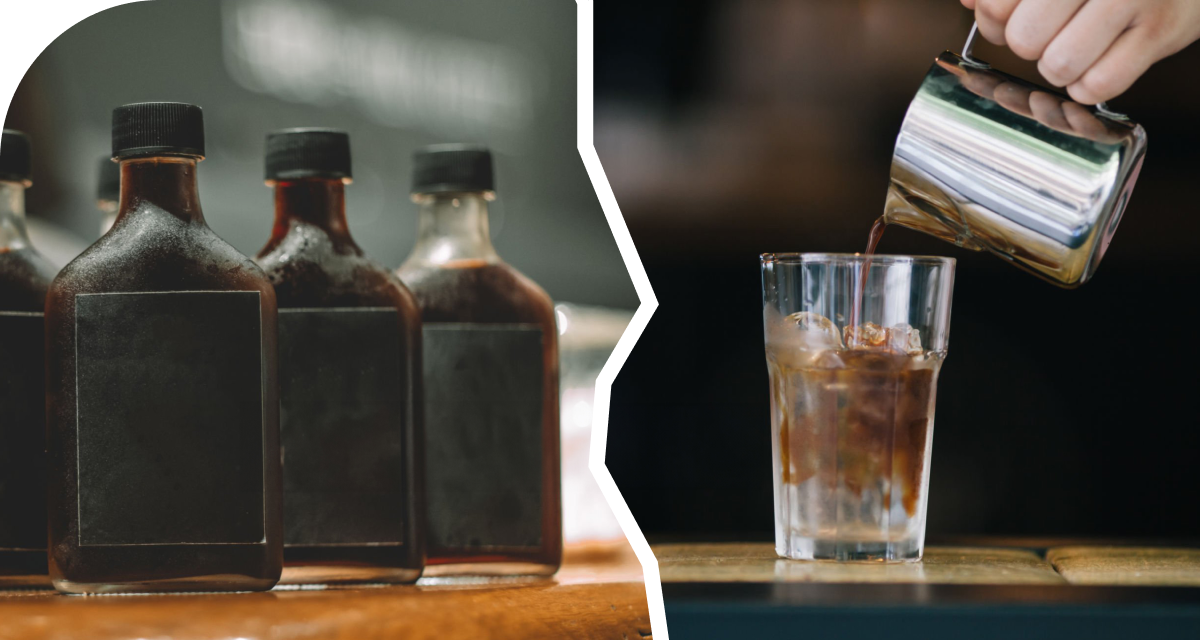
In recent industry news, Nescafé unveiled its espresso trends-focused Espresso Concentrate, a product allowing coffee lovers to create barista-style cold espresso beverages at home.
Available in black and sweet vanilla, this launch targets the growing demand for cold, convenient, customizable coffee.
Nestlé reports that one in three cups of coffee consumed outside the home is cold, underscoring the demand for cold brew and iced coffee alike.
This move aligns with broader coffee trends, where consumers increasingly seek premium, customizable experiences without leaving home. It’s clear that global interest in cold coffee products shows no sign of slowing.
What is cold brew?
Cold brew is a coffee concentrate made by steeping coarsely ground beans in cold water for 12 to 24 hours. Unlike hot brewing, it relies on time rather than temperature to extract flavor.
This method yields a smooth, less acidic coffee with rich notes, often described as chocolatey or nutty.
Key characteristics:
- Lower acidity compared to traditional hot or iced coffee.
- A versatile concentrate that can be diluted with water or milk.
- Often consumed black, aligning with the growing black coffee trends.
What is an iced coffee?
Iced coffee, on the other hand, begins as hot coffee brewed with boiling water and cooled down quickly, typically served over ice. While it maintains the boldness of traditional coffee, it lacks the smoothness of cold brew.
Key characteristics:
- Maintains the acidity and bitterness of hot coffee.
- Can be prepared with any coffee bean or roast.
- A versatile canvas for syrups, creamers, and milk.
Cold brew vs iced coffee: What’s the difference?
Much like our Iced Coffee vs Latte debate, the distinction between cold brew vs iced coffee lies primarily in their brewing methods, flavor profiles, and caffeine content.
| Aspect | Cold Brew | Iced Coffee |
| Brewing Method | Steeped in cold water for hours | Hot brewed, then chilled |
| Flavor Profile | Smooth, less acidic, rich | Bold, acidic, bitter |
| Caffeine Content | Typically higher due to concentrate | Moderate |
| Preparation Time | 12-24 hours | Ready in minutes |
Cold brew appeals to those seeking a smoother, stronger cup, while iced coffee resonates with fans of traditional coffee profiles.
Taste & texture: what sets them apart
When it comes to iced coffee vs cold brew, understanding how texture and taste diverge is essential. Both drinks start with coffee beans, but the brewing process transforms the final result.
Regular iced coffee is made using brewed coffee, often at room temperature or hot, then poured over ice. This method creates a light, slightly acidic drink that maintains the familiar bite of hot coffee. Because the coffee is brewed quickly, usually with a drip machine or French press, the flavors are more immediate and pronounced.
In contrast, cold brew coffee delivers a smoother, less acidic experience. Its mellow taste and rich texture come from the slow steeping of ground coffee in cold water over 12-24 hours. The result is a velvety texture and naturally sweet flavor, ideal for those looking to develop and improve their coffee at home ritual.
Whether you prefer the refreshing snap of iced brewed coffee or the deep, indulgent smoothness of cold brew coffee, the difference is clear: texture, time, and technique all shape the final coffee experience.
Brewing methods: time, tools & tips
The method by which coffee is made can dramatically shift the outcome, especially when comparing coffee vs cold brew. For iced drinks, it’s not just about temperature, it’s about intention.
To make cold brew, coarsely grind your coffee beans and place the grounds in cold water for an extended period, typically 12 to 24 hours. This brew is made without heat, extracting a different flavor profile than hot brewed coffee. Once filtered, the concentrate can be poured over ice or diluted to preference, offering flexibility for any flavor direction.
On the other hand, to make iced coffee, hot coffee is brewed, usually using a French press, drip machine, or espresso maker, and then cooled. Some prefer brewing directly over ice to preserve brightness and acidity.
Whether you’re creating a beverage from ground coffee for a simple recipe or building an RTD product line, each method invites opportunity. Knowing how to make iced coffee or cold brew coffee lets brands innovate with confidence, connecting consumer preference with speed and precision.
Coffee trends: how cold brew and iced coffee stack up
Both beverages have seen notable growth, influenced by broader food trends. According to Tastewise, cold brew trends have risen by 2.74% in social discussions over the past year, while iced coffee trends grew by 9.47%.
Though this may seem like an obvious win for iced coffee in the Cold Brew vs Iced Coffee debate, cold brew is still climbing, while iced coffee has been around for a while.
Restaurant offerings also reflect this popularity: 15.8% of establishments now feature iced coffee, compared to 11.77% for cold brew.
The dominant diets associated with these beverages reveal key consumer preferences. Cold brew is linked with organic and wellness-focused lifestyles, while iced coffee resonates with vegan and cleansing trends.
Additionally, emerging cuisines like Yemenite and Middle Eastern have embraced these drinks, further diversifying their appeal.
Schedule a demo with Tastewise today to see how we help brands navigate their coffee trends.
Trend comparison: how cold brews and iced coffees stack up
The year-round demand for cold beverages is driven by several factors:
- Consumer preferences: Millennials and Gen Z prioritize convenience and health-conscious options, making cold coffee the ideal choice.
- Customizability: From nitro cold brews to sweetened iced lattes, these drinks cater to varied tastes.
- Cultural integration: Once seasonal, cold coffee is now a staple in global markets, particularly in North America and Asia-Pacific.
Whether you’re drawn to the smooth intensity of cold brew or the familiar boldness of iced coffee, these drinks represent the evolving landscape of instant coffee trends, espresso trends, and beyond. Explore these exciting coffee options and discover what resonates with your palate.
Why cold coffee variants are so popular
The rise of cold coffee isn’t just seasonal; it’s strategic. Whether it’s cold brew, iced lattes, or RTD offerings, these drinks tap into evolving consumer habits: convenience, refreshment, and customization. As younger demographics drive demand for low-acid, smooth-textured, and social media-ready beverages, cold coffee becomes a canvas for innovation. With tools like Tastewise, brands can stay ahead of flavor shifts, ingredient swaps, and preparation trends to meet this demand head-on.
Best times and pairings: when to drink what
Morning meetings call for bold iced coffee, while weekend brunch leans toward creamy iced lattes. The best pairings amplify the moment. A crisp cold brew works well with almond biscotti, while an oat milk iced latte complements sweet-savory combos like banana bread or avocado toast. Consider the occasion, time of day, and flavor mood. Each cold coffee variant has a role to play.
Nutrition and custom options
Today’s coffee drinkers want more than flavor; they want function. Cold coffee drinks are evolving with low-sugar, plant-based, and protein-enhanced options. Customization goes beyond milk choices. It’s about aligning with wellness goals. Whether it’s an unsweetened cold brew or a coconut milk iced latte with adaptogens, nutrition is becoming a key differentiator for brands aiming to meet diverse dietary needs.
Regional origins and global popularity
From the iced Americanos of the U.S. to Vietnam’s strong iced coffee sweetened with condensed milk, cold coffee is a global language with local accents. Regional twists on preparation and presentation have helped fuel the drink’s universal appeal. Brands tapping into local trends while leveraging global insights can localize offerings that feel both familiar and fresh. Tastewise helps pinpoint where cultural crossover becomes commercial opportunity.
FAQs
Yes, cold brew often has more caffeine due to its concentrated nature. However, dilution levels can adjust the strength. Cold coffee is expected to continue its upward trajectory, with innovations like nitrogen infusions and clean-label products leading the charge. By 2032, the cold brew market alone is projected to reach $3.8 billion globally.
Cold coffee is moving toward function. Expect protein blends, mood-enhancing adaptogens, and eco-forward formats like coffee fruit reuse. Personalization and convenience will drive what’s next.
Food intelligence turns trend noise into clear action. It helps you spot what matters, test ideas fast, and launch cold coffee concepts that meet the moment, backed by real consumer behavior.




We’d love to learn your goals and see how Tastewise fits
We’d love to learn your goals and see how Tastewise fits
Get a personalized demo
Good taste. Wise move.
Your demo request is confirmed. We’ll reach out within one business day to schedule your walkthrough.
What happens next

See what’s driving demand, then turn it into a sell-in story for retailers and operators.
- Connect consumer panels, market trackers, and agents into one evidence view
- Get the “why” behind what’s changing, with explainable demand drivers
- Walk away with a buyer-ready narrative and next steps to activate
Trusted by





“Tastewise is my secret tool for knowing what consumers want next and why.“