






Retail media is the most crowded room in advertising. US advertisers spent $60.32 billion on retail media in 2025 and will spend $71.09 billion in 2026, and Amazon and Walmart are set to absorb roughly 89% of the new dollars. Your bid competes with every other food brand for the same finite inventory. Maximizing ROI with generative AI tools starts one step before the bid, with knowing which flavor, format and claim your shopper already wants. Across the Tastewise US panel, protein conversation over the last 12 months carried 4,021 distinct ingredients and 1,264 consumer claims. That is the raw material a media plan should be built from.
Key takeaways
- Budget concentration means creative decides efficiency. Amazon and Walmart are set to take roughly 89% of new retail media dollars in 2026, so the lever you still control is what the ad says.
- Split creative by channel before you split budget. Blood sugar language sits 71% at home while freshness sits 60% in restaurant contexts, so one asset across both placements wastes half its reach.
- Buy the format rather than the supplement. Protein powder conversation fell 25.4% and whey fell 17.2%, while protein coffee grew 17.7% and holds a 4.2% menu presence.
- Drop diet-identity claims from your headlines. Keto fell 38.4%, vegan fell 30.6% and plant based fell 22.6%, while functional claims like energy and fiber kept climbing.
- Lead with texture. Comfort grew 46.8% and soft grew 43.2%, faster than any nutrition claim in the category, and both translate straight into ad copy.
- Point media weight at the morning. Morning framing grew 9.2% and craving grew 8.0%, which favors breakfast and mid-morning over the post-workout occasion.
What is marketplace data and why is it vital for advertising ROI?
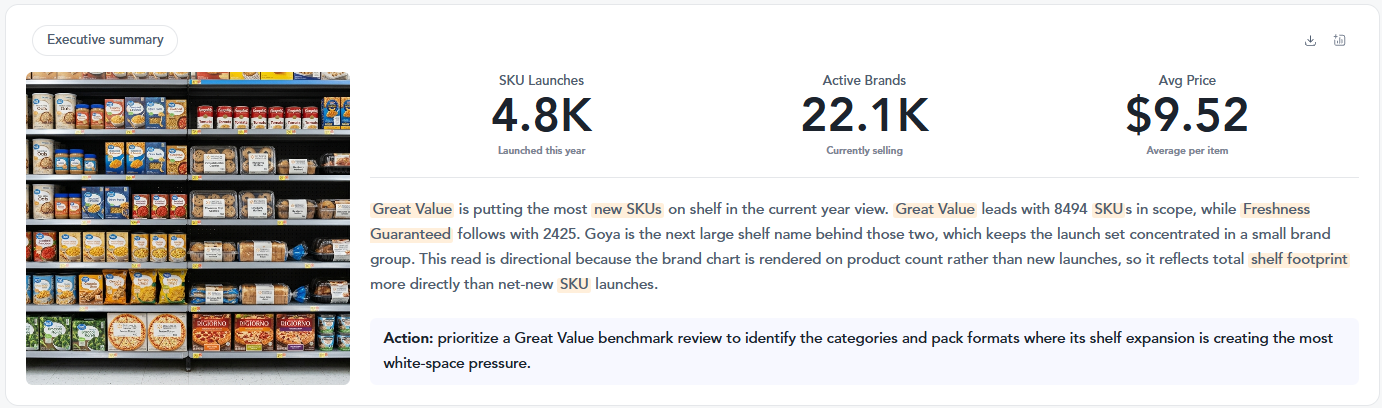
Marketplace data is the combined record of what shoppers search, cook, order and buy across digital retail platforms, delivery menus and home kitchens. For advertisers it matters because it names the demand you are bidding on. Reaching a high-intent shopper only pays when the creative in front of them matches a craving they already hold.
The Tastewise panel splits every claim by where it appears, at home or in a restaurant. In US protein conversation over the last 12 months, convenience carried 30% of claim volume with 3.8% growth, and 65% of that volume sat on the at-home side. Blood sugar grew 14.9% and sat 71% at home. Freshness grew 10.2% and leaned the other way, with 60% appearing in restaurant contexts. Weekend framing was more restaurant-weighted still, at 67%.
The cost of fragmented retail data
Those splits are the case against single-platform planning. Blood sugar and freshness sit inside the same protein category and live in opposite channels. A brand reading only Amazon search terms sees the at-home half of that picture, writes creative for it, then runs the same creative in a delivery placement where freshness and weekend language carry the weight. The CPG ecommerce channel and the foodservice channel reward different words. Media allocated on one signal pays full price for half the intent.
How modern brands drive targeted campaigns
Proffee, the protein coffee format, grew 17.7% in US conversation over the last 12 months and holds a 4.2% menu presence. Operators have already priced it. Starbucks sells an iced sugar free vanilla protein latte at $7.95 and a sugar free vanilla protein matcha at $7.25. Chipotle lists a high protein low calorie bowl at $16.60. Blaze Pizza sells a protein zza at $17.05. Smoothie King has named a smoothie for GLP-1 users, the Gladiator GLP chocolate, at $9.20. A protein brand bidding on protein coffee terms has five live proof points that the format sells at full price.
How do AI analytics transform raw marketplace signals into actionable ad strategies?
AI analytics turn unstructured demand signals into ad decisions by reading language at a scale no team can review by hand, then attaching each finding to a channel, an audience and a claim. The output is copy direction and audience selection.
Tastewise reads social posts, recipes, retail listings and menus together. On the operator side of protein alone that covers 2,095,681 menu items across 211,670 restaurants and 8,091 chains. The platform sorts the language into claims a marketer can write with. Texture is the fastest-moving group in the category right now. Comfort grew 46.8%, soft grew 43.2%, smooth grew 19.8% and creamy grew 18.7%. Those are ad headlines, not media settings.
Maximizing ROI with AI-driven process management means the reporting step stops eating the week. Agentic AI agents track the signal continuously and hand your team the claim, the audience and the supporting proof without a manual pull. The Marketing Agent drafts campaign hooks and claim language from the same verified data your consumer marketing team already uses to brief agencies.
Here is how the chain runs on live data. Proffee climbs 17.7% in home conversation, and coffee is the only ingredient in the top ten of protein conversation still moving up, at 2.3%. Starbucks answers with two protein latte items on the menu. Retail follows with Premier Protein cereal, Power Crunch wafer bars and Pure Protein cheesy crackers at 12g a pack. A brand watching its own Amazon dashboard sees the last step in that sequence. A brand reading audience targeting data sees the first, and buys the term while it is still cheap.
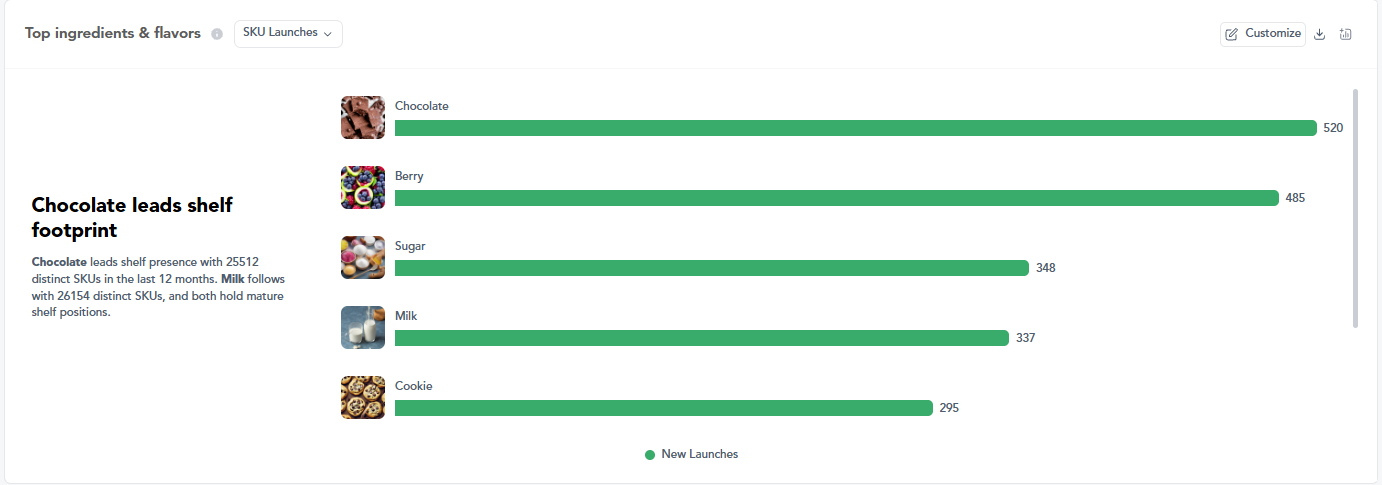
That sequence ends on shelf, which is also where your competitors turn up. The New Product Launch Monitoring Agent reads Walmart, Instacart and DoorDash listings across more than 350 retailers and around 15,000 convenience stores. It shows you which claims and formats rivals ship, and the shelf gaps they leave open.
How can brands optimize cross-channel advertising across Amazon, eBay, and Shopify?
Cross-channel optimization works when one demand read informs every placement. Tastewise does not bid, manage inventory or place media on those platforms. It tells you which claim to lead with on each one, so the same budget buys creative matched to the channel.
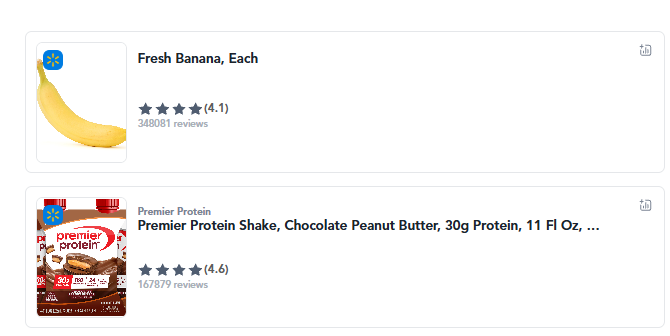
The retail listing gives you the price point and the pack claim. Protein listings in the panel run from a $9.57 Premier Protein cereal box to $60.04 multipacks of Jack Link’s beef steak. The menu gives you the daypart and the language. The home data tells you what people build for themselves. Read together they show where a claim is under-served. Tastewise flags 300 whitespace opportunities in protein, led by Panera Bread, Jimmy John’s and Kung Fu Tea.
What AI tools enhance advertising on digital marketplaces?
Legacy dashboards report performance after the spend. Generative tools work upstream of it. Tastewise agents draft claim language, name the audience and supply the proof you need to defend the plan in a buyer meeting. Copy tools with no demand source produce fluent writing about nothing. AI for CPG companies pays off when the generation step sits on verified category data.
Why is cross-channel advertising essential for modern CPG brands?
Because the same shopper turns up in all three records inside a week. Subway, McDonald’s, Starbucks, Dunkin’ and Chipotle are the five largest operators in the protein data. They are also where your shopper eats between grocery trips. Protein conversation carried 1,187,382 posts over the last 12 months, up 5.7%, while dish variety grew 21.5% in the same window. Demand widened faster than talk about it. Synchronized messaging across the CPG and retail split captures intent wherever the shopper acts first.
Maximizing ROI with generative AI tools in the next quarter
Put a protein coffee format into your Q4 test plan. It has priced menu presence at Starbucks and rising home conversation behind it.
Split creative by channel rather than reusing one asset. Lead with blood sugar and convenience in at-home placements, freshness and weekend occasions in delivery placements.
Move texture words into your headlines. Comfort and soft are growing faster than any nutrition claim in the category.
Test a GLP-1 claim in beverage before the category fills. Smoothie King has already named a menu item for it, and no packaged protein brand owns the language yet. Teams building food marketing strategies on that signal reach the term before it prices up.
Frequently asked questions about maximizing ROI with generative AI tools
It tells you which claim to buy against before you set a budget. Energy claims grew 8.1% and fiber grew 7.4% in US protein conversation over the last 12 months, so a brand leading on either has demand evidence behind the spend rather than a hunch.
Retail sales data reports what already sold. Marketplace data reads intent while it forms. Dish variety in US protein grew 21.5% over the last 12 months, which shows new formats arriving well before they register in scan data.
Generative agents that draft claim language, name audiences and cite the demand behind each suggestion. Clean label language grew 32.5% in the category, and a tool grounded in that data will surface it while a general copy generator will not. Wider examples sit in the CPG marketing strategies guide.
Because a single claim rarely lives in one place. High protein carried 22% of claim volume in the category, split 58% at home and 42% in restaurants, so a message tuned to only one of those settings reaches part of the audience.
Pair reach with speed. Electrolytes grew 12.2% and creatine grew 12.6% from small bases, while healthy sat at 38% of claim volume and fell 18.3%. Small and rising is usually the cheaper term to own.
No. Tastewise reads food and beverage demand across social, recipe, retail and menu data. It then hands your team the claim, the audience and the proof. Your media team or agency runs the buying inside each platform.




We’d love to learn your goals and see how Tastewise fits
We’d love to learn your goals and see how Tastewise fits
Get a personalized demo
Good taste. Wise move.
Your demo request is confirmed. We’ll reach out within one business day to schedule your walkthrough.
What happens next

See what’s driving demand, then turn it into a sell-in story for retailers and operators.
- Connect consumer panels, market trackers, and agents into one evidence view
- Get the “why” behind what’s changing, with explainable demand drivers
- Walk away with a buyer-ready narrative and next steps to activate
Trusted by





“Tastewise is my secret tool for knowing what consumers want next and why.“