







In the multibillion dollar consumer packaged goods (CPG) industry, poor inventory management can spell disaster for brands hoping to stay top-of-mind for their consumers. In 2026 and beyond, CPG brands will only be as strong as their behind-the-scenes strategies for balancing availability, controlling costs and responding to rapid fluctuations in consumer demand.
What is inventory management in CPG?
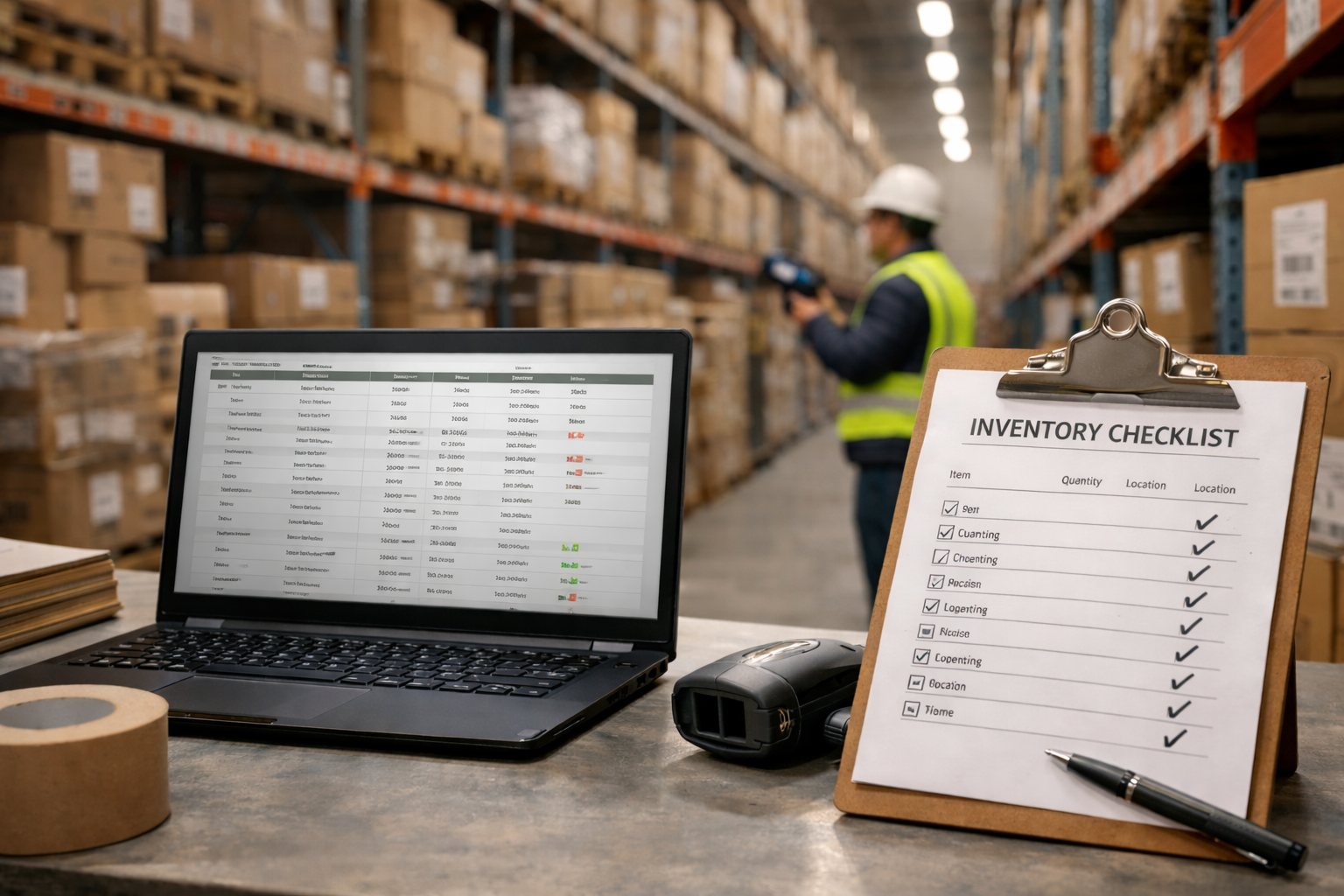
Inventory management in CPG refers to the systems brands use to plan, track, control and manage how their products flow through the supply chain. Inventory management plays a vital role in ensuring products make it to their end consumers in a timely manner so product availability does not serve as a purchasing barrier for members of the target audience.
While many people think of inventory management as a practice specific to retail facilities, the truth is that brands must take a proactive approach to managing inventory during production, warehousing, distribution and more. By making informed and intentional decisions about how much inventory to produce, where to store unused stock and when to replenish or pull back retail supply, brands can reduce waste and ensure they put their best foot forward with shoppers – even when faced with uncertain or rapidly-shifting demand signals.
Why inventory management is critical for CPG brands
The stronger your inventory management approach, the more control you can retain over your CPG revenue, standard margins and overall brand health. There is a delicate balance involved in crafting an effective inventory management strategy. Just as excess inventory can increase carrying costs, markdown risk and overall waste, insufficient inventory can damage retailer relationships, slow CPG growth and compromise the public’s perception of your brand.
To avoid compromising your brand’s growth potential or incurring unnecessary overhead costs, it’s important to devise an inventory management strategy that adequately accounts for trends in your sales as well as in CPG manufacturing efficiency, CPG distribution speeds and overall CPG supply chain performance. Tracking sales in addition to these other metrics can help brands take a more proactive approach to inventory management and avoid unnecessary re-stock delays, overhead costs or other risk-enhancing missteps.
Key challenges in CPG inventory management
Effectively managing inventory in the CPG space can be easier said than done – particularly if a brand does not have the necessary tools and infrastructure to exercise effective oversight. Here are some of the most common challenges CPG companies encounter when attempting to manage inventory:
Demand volatility and forecast inaccuracy
Consumer demand in CPG is often shaped by fast-moving CPG trends – many of which are the direct result of volatile social and market influences. As a result, traditional demand forecasting methods that rely on historical sales data are often ill-equipped to capture the true nature of a flash-in-the-pan market.
Brands that lack access to real-time data and demand forecasting tools often struggle to make accurate, proactive decisions about how to maintain their inventory. If you exclusively make inventory decisions based on what was ONCE true, you may over or underestimate the true nature of current demand levels.
Overstocking and stockouts
Overstocking and stockouts are two of the most persistent and significant pain points in CPG inventory cost management. As we mentioned above, overstocking ties up cash and increases overhead costs and may increase the likelihood of discounting or write-offs. Stockouts, on the other hand, lead to lost sales, retailer relationship strain and compromised brand loyalty.
On both sides of this coin, poor inventory management can negatively impact margins and decrease sales and CPG revenue. That’s why it’s so important to balance overstock and stockout risks by tracking real-time demand patterns across CPG e-commerce and brick-and-mortar channels. Additionally, brands need to nail down the most efficient replenishment strategies available to them so they can respond swiftly to demand shifts without having to maintain a burdensome backstock “for a rainy day.”
Short product lifecycles and seasonality
Brands that deal heavily in seasonal products or that market health-focused or viral items may be particularly susceptible to demand volatility, making it vital for companies in these spaces to invest in forecasting tools that depend on more than just historical information. Even more standard CPG products can have short lifecycles, as some items have short shelf lives or rely on seasonal ingredients. When this inventory lingers too long, not only does it lose value, but it may even become unusable – leading to high levels of waste and widespread profit loss.
Managing these tight timelines requires forward-thinking insights rather than static planning models. By analyzing real-time data and reviewing long-term demand forecasts, CPG brands can manufacture and distribute an appropriate amount of inventory and mitigate the potential risks associated with under or overstocking vulnerable SKUs.
Multi-channel and multi-location complexity
Many modern CPG brands operate across a growing number of channels and aim to appeal to consumers across multiple geographic regions. Each channel and location comes with its own set of inventory hurdles, and different marketplaces have their own unique trends and tendencies to contend with. Taking a one-size-fits-all approach to a multi-channel market can lead brands to inadvertently alienate certain members of their target audience by failing to account for the different preferences of various consumer bases.
For example, if one region exhibits stronger demand signals than a neighboring market, it probably doesn’t make sense to funnel the same amount of inventory to both regions. Similarly, if a product consistently underperforms in brick-and-mortar sales but exhibits sustainable e-commerce growth, a brand might want to consider redistributing inventory from brick-and-mortar stores to their e-commerce fulfillment facilities.
Data silos and limited inventory visibility
Many CPG organizations still operate with disconnected systems across departments. When procurement, sales, marketing and CPG finance teams aren’t on the same page about inventory availability, fulfillment times can drag on and decisions can be made in the absence of the full data picture.
Without unified data, brands may wind up making inventory decisions based on only a small fraction of the relevant information. This can lead to a wide variety of missteps from poorly timed product launches to overstocking of under-performing SKUs. This lack of inter-departmental alignment can also complicate CPG outsourcing and CPG M&A decisions and impede CPG tail spend management across an organization.
How to manage CPG inventory for new product launches
New product launches present unique inventory risks because brands can’t reliably rely on historical data when making inventory decisions. Instead, effective product launches are often built on real-time data and advanced demand forecasting information. By tailoring inventory decisions to current and future demand signals, brands can kickstart new SKUs with at least a cursory sense for their likely performance.
Crucially, however, early forecasting and real-time trends can easily shift at a moment’s notice. That’s why it’s so important for brands to continuously tap into the latest consumer intelligence data so they can make proactive AND responsive decisions about how to manage inventory. The sooner you can get out in front of market shifts, the more seamlessly you can adjust your production strategies, CPG distribution speeds and CPG marketing efforts while minimizing waste.
Best practices for scalable CPG inventory management
Nimble CPG brands must be able to scale their inventory up or down in response to sudden or forecasted shifts in the market. In order to maximize scalability, brands must be aligned internally between departments and have protocols in place for evaluating and re-evaluating their goals for accelerating CPG growth, improving margins and fostering innovation.
High-performing brands demonstrate inter-departmental consistency in their decision-making processes and many rely on advanced data insights to fuel these collaborative discussions. By streamlining these procedures at an organizational level, brands can avoid communication delays and improve their ability to stay flexible and agile in the face of a rapidly-shifting market.
Technology and tools for CPG inventory optimization
AI and CPG technology have come a long way over the last several years. With advancements in data collection and analysis, brands now have unprecedented access to the information they need to make targeted and on-trend inventory management decisions. Advanced analytics platforms can help brands identify early demand signals and embrace emerging trends with greater confidence.
Tastewise delivers the advanced consumer intelligence data brands need to plan for and respond to shifts in consumer behaviors and an evolving economic landscape. By leveraging CPG insights across multiple channels, brands can optimize their inventory management protocols and stave off avoidable stockouts or excess expenditures Tastewise makes these real-time insights accessible and actionable, so brands can make more aligned, informed decisions about the things that matter most.
Final thoughts
Effective inventory management in CPG can mean the difference between long-lasting, sustainable growth and a compromised retail position. While avoiding excess and reducing waste plays a central role in these strategies, more and more brands are treating inventory management as an ongoing, demand-responsive workflow that can support inter-departmental collaboration and expansion.
As consumer behaviors continue to shift alongside larger industry trends, now is the time for CPG brands to embrace and invest in data-driven inventory strategies that set them up for long-term success. By providing a solid foundation of real-time information, consumer intelligence data can help brands navigate market volatility, scale up innovation and protect their margins across every link in the supply chain.
FAQs about Inventory Management in CPG
Inventory management can significantly impact CPG profitability. While overstocking can be a major source of waste in CPG brand management, understocking can also slow CPG growth and negatively impact the public’s perception of a brand.
The CPG space is characterized by demand volatility as well as short, trend-driven product lifecycles. This makes it difficult to make long-term inventory decisions and may lead brands to under or over-invest in certain SKUs.
Brands can reduce risk of over or understocking by making inventory decisions based on real-time demand signals, documented fulfillment timelines and ongoing collaboration between CPG sales, marketing and distribution teams.
To mitigate some of the risks commonly associated with new product launches, brands can leverage real-time consumer data and advanced demand forecasts to scale and tailor new product inventory without overcommitting resources.
Tastewise uses real-time consumer behavior data to fuel forecasting models, which empowers brands to make inventory decisions based on more than purely historical information. This approach to demand forecasting makes it possible for brands to proactively predict and respond to demand signals, giving them enhanced flexibility and control during inventory planning.





We’d love to learn your goals and see how Tastewise fits
We’d love to learn your goals and see how Tastewise fits
Get a personalized demo
Good taste. Wise move.
Your demo request is confirmed. We’ll reach out within one business day to schedule your walkthrough.
What happens next

See what’s driving demand, then turn it into a sell-in story for retailers and operators.
- Connect consumer panels, market trackers, and agents into one evidence view
- Get the “why” behind what’s changing, with explainable demand drivers
- Walk away with a buyer-ready narrative and next steps to activate
Trusted by





“Tastewise is my secret tool for knowing what consumers want next and why.“