





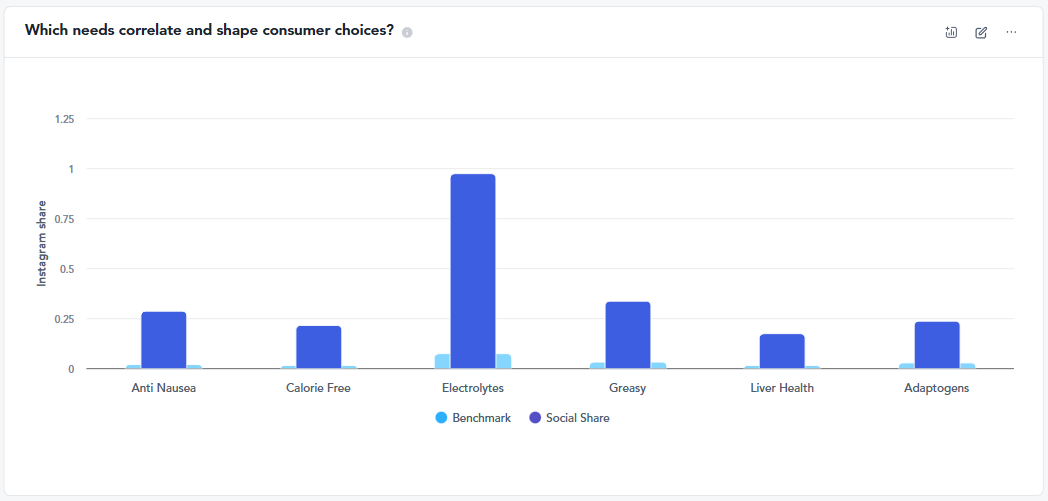
Hangover demand is a high-intent signal that drives hydration, functional beverages, brunch, and zero-proof drinking behaviors. In both the US and UK, brands win by building products and menus around recovery rituals (electrolytes + comfort foods) and prevention habits (moderation + low/no alcohol).
Why hangover trends matter for brands (CPG + foodservice)
Hangovers create one of the most consistent “need-states” in food and beverage:
- Immediate consumption (the next morning)
- Low friction purchases (grab-and-go, delivery, kits)
- Strong repeatability (weekends, holidays, events, sports seasons)
That makes hangover recovery an ideal playground for:
- Functional beverage innovation
- Brunch and breakfast menu engineering
- Cross-category partnerships (hydration + salty snacks + soups/broths)
- Zero-proof and moderation-led positioning
US hangover culture: what consumers expect
In the US, the hangover conversation clusters around:
- Hangover cure drinks (electrolyte-focused, morning hydration)
- Brunch as recovery (eggs, carbs, salty foods, spicy add-ons)
- Convenience-first recovery (delivery bundles, grab-and-go breakfast, RTD functional drinks)
US recovery behavior is tightly linked to comfort food cravings, especially salty, warm, filling meals that feel like a “reset.” You can learn more about it in Comfort Food in the USA.
US menu + product ideas that map to demand
- Recovery brunch bundles: breakfast sandwich + electrolyte drink + fruit cup
- Spicy comfort anchors: breakfast burritos, spicy noodles, soups
- Functional hydration stacks: electrolyte waters + “reset routine” positioning (avoid medical promises)
UK hangover culture: what consumers expect
In the UK, hangover rituals often lean into:
- The “fry-up” recovery tradition (Full English breakfasts, salty comfort)
- Pub culture evolution (moderation behaviors becoming mainstream)
- “Next-day reset” language (hydration, lighter alcohol, non-alcoholic options)
UK menu + product ideas that map to demand
- Fry-up modernization: lighter “recovery breakfast” sets (protein + hydration)
- Soup/broth add-ons: warm, salty “reset” sides
- Zero-proof pub rituals: alcohol-free cocktails that still feel like “going out.”
The 9 hangover trends to watch
1) Hydration-first becomes the default hangover remedy
Consumers increasingly associate hangover recovery with hydration rituals, especially electrolyte products and “next-day reset.”
Brand move: Create clear “morning-after” shelf cues: “hydration,” “electrolytes,” “reset,” “recovery routine.”
2) Functional beverages replace “just water.”
Hangover recovery is merging into the broader rise of functional beverages, especially drinks that signal hydration support and “feel-good” functionality.
Brand move: Build recovery-adjacent line extensions (electrolyte water, functional sparkling water, clean-ingredient RTDs).
3) Moderation is the new hangover prevention strategy
Instead of only chasing the best hangover cure, consumers increasingly try to avoid hangovers with moderation habits like alternating drinks.
Brand move: Promote low/no alcohol and “alternate” rituals in a way that feels social, not restrictive.
4) Zero-proof drinks are now part of nightlife (US + UK)
Non-alcoholic options are becoming a core part of the social experience, which directly impacts hangover prevention behavior.
Brand move: Pair zero-proof RTDs with premium cues: botanical, craft, elevated flavors.
5) Brunch is the hangover “experience economy” moment
Hangover recovery isn’t just functional, it’s emotional. Brunch turns the hangover into an occasion.
Brand move: Create “recovery menus” and seasonal “day-after” LTOs (New Year’s, festivals, major sports weekends).
6) Comfort foods are evolving into “recovery foods.”
Classic comfort still wins, but it’s getting reframed with lighter language: “reset,” “rebuild,” “recharge.” In the US especially, comfort food is a major driver of the hangover recovery ritual — and it’s worth aligning recovery concepts to what consumers already consider “comfort.”
Brand move: Rename and repackage: “recovery bowl,” “reset ramen,” “rebuild breakfast,” “hydration side.”
7) Spicy + savory stays a hangover staple
Spicy, salty, and bold flavors remain deeply tied to hangover cravings — across both markets.
Brand move: Launch spice-forward limited runs and pair with hydration-forward beverages.
8) “Clean ingredients” matter even in hangover moments
Even when consumers want comfort, many still want products that feel “cleaner”: fewer artificial ingredients, clearer labeling, better-for-you framing.
Brand move: Simplify ingredient decks and use transparent benefit language (without medical promises).
9) Brands win by building systems, not single products
The biggest opportunities are bundles and ecosystems:
- drink + snack
- brunch + hydration
- zero-proof + “next-day” functional
Brand move: Co-market across categories and build repeatable “weekend recovery” programs.
Frequently Asked Questions
US consumers often gravitate toward hydration-forward drinks, recovery brunch, and salty comfort foods, but “best” varies by preference and occasion.
UK recovery rituals often revolve around comfort breakfast culture plus hydration, with increasing interest in moderation and alcohol-free options.
They’re increasingly complementing them, especially electrolyte-forward waters and functional sparkling drinks positioned as part of a morning routine.
Prevention is about moderating behaviors (like alternating drinks or choosing low/no alcohol). Recovery is what consumers eat and drink the next day to feel better.
Use consumer-friendly, non-clinical language like “hydration,” “reset,” “recovery routine,” and “next-day ritual,” and avoid promises to “cure” symptoms.




We’d love to learn your goals and see how Tastewise fits
We’d love to learn your goals and see how Tastewise fits
Get a personalized demo
Good taste. Wise move.
Your demo request is confirmed. We’ll reach out within one business day to schedule your walkthrough.
What happens next

See what’s driving demand, then turn it into a sell-in story for retailers and operators.
- Connect consumer panels, market trackers, and agents into one evidence view
- Get the “why” behind what’s changing, with explainable demand drivers
- Walk away with a buyer-ready narrative and next steps to activate
Trusted by



“Tastewise is my secret tool for knowing what consumers want next and why.“