





Gen Z beverage trends are redefining how consumers approach hydration, shifting from basic refreshment to functional, aesthetic, and identity-driven experiences. According to Tastewise consumer intelligence data, rapid growth across functional ingredients, customization, and visual formats is creating new whitespace for brands. These trends matter now because they directly impact product validation, speed to market, and competitive positioning.
Key takeaways
- Functional beverages are high-growth formats that show +29% YoY growth in foodservice, reinforcing strong operator adoption
- Prebiotic ingredients are emerging leaders with +53% menu growth in retail despite softer social visibility
- Dirty sodas are viral formats with +265% growth on social, signaling strong consumer experimentation
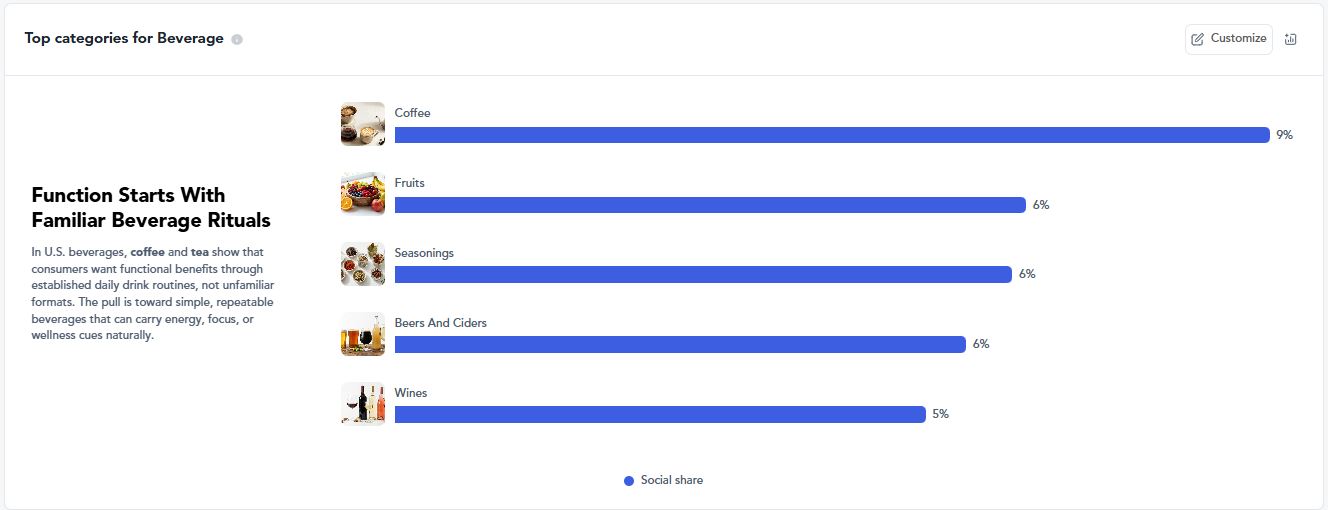
- Coffee-based functional drinks dominate with 32.4% share and +20% YoY growth across channels
- Adaptogenic beverages show +32% foodservice growth, revealing operator confidence in functional positioning
- Matcha-based formats are breakout global drivers, with up to +69% YoY growth in UK menus
Gen Z beverage trends overview
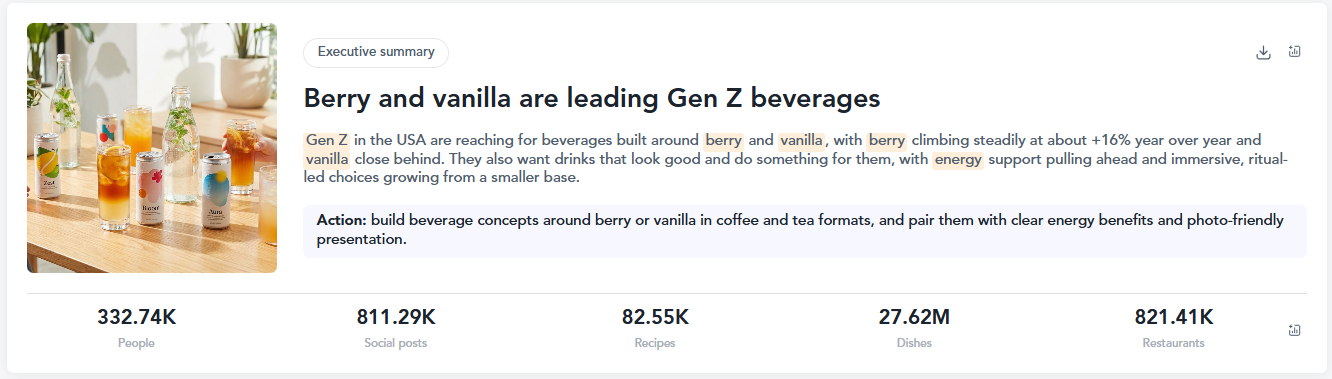
Gen Z beverage trends are consumer-driven drinking behaviors that prioritize function, personalization, and visual appeal, making beverages a key tool for both wellness and identity expression.
According to Tastewise consumer intelligence data, Gen Z is moving away from traditional “healthy” beverages toward functional drinks that deliver energy, mood support, and sensory experience. This shift is driven by three core pillars: holistic wellness, where benefits like gut health and stress support matter, digital aesthetics, where drinks must be visually shareable, and customization, where consumers create personalized beverage rituals at home and in foodservice.
This creates a multi-million dollar whitespace opportunity for brands to align product innovation with real-time consumer signals.
How brands are using Gen Z beverage data to unlock growth
Gen Z beverage innovation is a data-driven process that helps brands identify whitespace and validate concepts faster using real-time consumer insights.
Before (the challenge)
An innovation team faced conflicting signals around adaptogenic beverages, with unclear consumer demand despite strong industry attention.
After (the solution)
Using Tastewise data, the team identified a gap between declining social engagement and strong +32% YoY foodservice adoption. They shifted positioning from ingredient-led messaging to benefit-led claims focused on energy and stress relief.
Result (quantitative impact)
The new product line exceeded year-one sales targets by 34% and reduced R&D validation time significantly.
Consumer behavior signals shaping Gen Z beverage demand
Gen Z beverage behavior is consumption behavior that reflects how drinks function as both lifestyle tools and forms of self-expression.
According to Tastewise consumer intelligence data, Gen Z treats beverages as part of a daily ritual, with +20% YoY growth in convenience-driven motivations and +42% growth in upgraded, personalized experiences. At home, consumers mix functional powders, adaptogens, and flavor enhancers to create customized drinks that reflect their preferences and routines.
In social contexts, beverages are visual assets. Aesthetic presentation, layered formats, and color-changing ingredients drive engagement and sharing behavior. At the same time, functional needs such as energy (+42%) and comfort (+47%) continue to rise, showing that beverages must deliver both emotional and physical benefits.
For brands, this means product success depends on combining performance, personalization, and visual appeal in one cohesive experience.
Market opportunity in Gen Z beverage trends
The Gen Z beverage opportunity is the gap between strong demand for functional benefits and limited product-market fit in current offerings.
According to Tastewise consumer intelligence data, functional beverages are growing +29% YoY, signaling strong category momentum. Prebiotic ingredients are leading with +53% menu growth, showing that gut health is becoming a dominant driver. At the same time, over 70% of Gen Z wellness conversations around adaptogens and mental wellness lack corresponding major brand presence, highlighting a clear whitespace.
Brands that delay innovation risk losing relevance as Gen Z shifts toward benefit-led, experience-driven beverages. The opportunity lies in translating functional demand into accessible, familiar formats rather than introducing entirely new categories.
Focus on benefit-first innovation by integrating energy, mood, and comfort into familiar beverage formats such as coffee, matcha, and flavored sodas.
How Gen Z beverage trends play out across channels
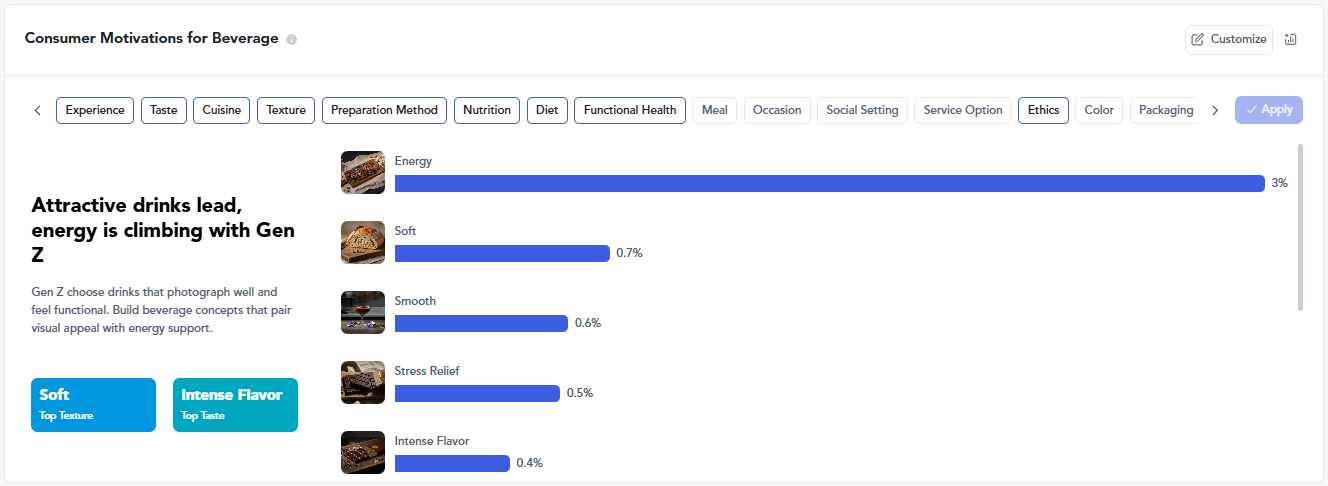
Gen Z beverage trends are multi-channel behaviors that differ across retail, social, and foodservice environments, requiring tailored strategies for each.
At-home and retail behavior
According to Tastewise consumer intelligence data, Gen Z consumers are building beverage rituals at home, with strong growth in DIY customization and aesthetic consumption. Functional powders, prebiotic sodas, and visually appealing packaging drive purchase decisions, while label transparency and specific claims such as stress support and gut health influence product selection.
Foodservice behavior
In foodservice, customization and experience are key drivers. Operators are introducing functional “boosters,” layered drinks, and visually engaging formats such as color-changing teas and nitro-infused beverages. These formats allow premium pricing and increase social sharing, reinforcing both revenue and brand visibility.
Data signals
- Social share vs menu penetration gap highlights unmet demand for functional beverages
- Foodservice is growing faster in experiential formats, while retail leads in personalization
Key ingredients driving Gen Z beverage innovation
Gen Z beverage ingredients are high-growth components that define functional and experiential drink innovation across categories.
According to Tastewise consumer intelligence data, the following ingredients are shaping the category:
- Mushroom coffee (+18%) as a functional energy alternative
- Cold brew (+20%) as a base for customization and add-ons
- Matcha cloud (+117%) as a high-growth visual and functional format
- Espresso (+19%) as a premium core ingredient
- Prebiotics (+53%) as a leading gut health driver
These ingredients perform best when integrated into familiar formats that balance function with taste and visual appeal.
Regional insights for Gen Z beverage trends
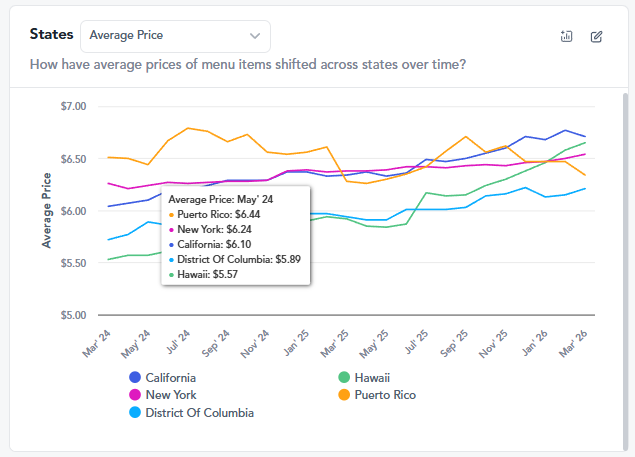
Regional Gen Z beverage trends are geographic consumption patterns that reveal where demand is accelerating and where innovation should be prioritized.
According to Tastewise consumer intelligence data, matcha-based beverages are emerging as a global anchor trend, with both mature and high-growth markets offering distinct opportunities. This aligns with broader patterns seen in matcha trends, where functionality and visual appeal drive adoption across Gen Z audiences.
United States
- Market penetration: 9.1%
- YoY growth: +6%
The US represents a mature market where matcha has reached mainstream adoption among Gen Z consumers. This level of penetration signals stable demand and consistent performance, particularly when integrated into premium formats like cold brew and functional lattes, as also reflected in gen z coffee trends.
United Kingdom
- Market penetration: 8.1%
- YoY growth: +60%
The UK is in a rapid expansion phase, with significantly higher growth velocity despite slightly lower penetration. Social engagement is also accelerating faster, with +38% YoY growth compared to +32% in the US, indicating stronger viral momentum and earlier-stage adoption curves.
This acceleration mirrors broader shifts across beverage trends, where emerging markets quickly scale once functional and aesthetic formats resonate with Gen Z consumers.
The US offers steady volume and premiumization opportunities within an established market, while the UK presents a high-growth environment where brands can capture share during a critical expansion window.
Teams should prioritize premium and flavor innovation strategies in the US, while accelerating go-to-market speed and visibility in the UK to capitalize on rapid adoption.
What to do next to win in Gen Z beverage trends
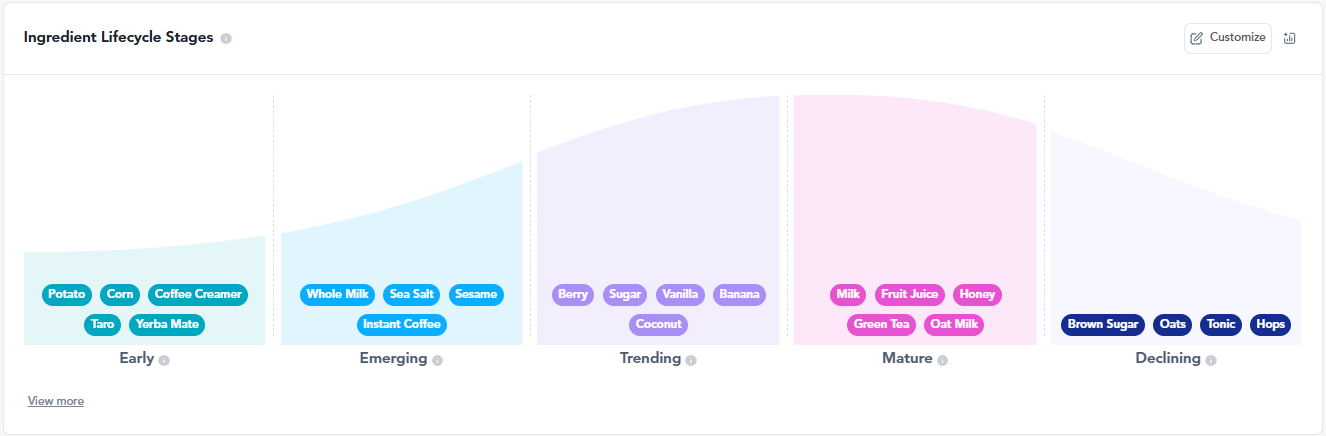
Gen Z beverage strategies are actionable innovation priorities that help brands capture demand and accelerate product success.
- Develop functional beverages with clear benefit-led positioning such as energy and stress support
- Expand coffee and matcha-based formats that integrate functional ingredients
- Build customizable beverage systems for both retail and foodservice environments
- Design products for visual appeal to drive social engagement and repeat purchase
Turn Gen Z beverage insights into winning product strategies with real-time Tastewise data.
Key Gen Z beverage terms defined
What is a functional beverage?
A functional beverage is a drink built to deliver a specific health or performance benefit beyond hydration, such as energy, gut health, mood support, or immunity. What sets it apart from a regular soft drink or juice is that it is designed around a targeted outcome, not taste alone. For Gen Z, a functional beverage also carries identity and aesthetic value. It has to look good and signal a lifestyle, not just work. Functional formats are among the fastest-moving in the category, up +29% in foodservice in the past year.
What is an adaptogenic beverage?
An adaptogenic beverage contains adaptogens, natural plant compounds thought to help the body manage stress and stay balanced. Common ones include ashwagandha, reishi, lion’s mane, and rhodiola, added to coffees, lattes, tonics, and sodas. Unlike energy drinks, which push a stimulant peak, adaptogenic drinks are positioned around steady calm-energy, mental clarity, and stress relief. This is where operator confidence is clearest, with adaptogenic formats up +32% in foodservice.
What is a dirty soda?
A dirty soda is a customized soft drink that mixes a base soda with cream, flavored syrups, and sometimes fruit juice or coconut milk. It started in Utah’s soda-shop culture and became a Gen Z favorite because it is endlessly personalizable and visually layered, which makes it highly shareable. It is one of the most experimented-with formats in the category. Conversation around dirty sodas is up +265% on social, which is a buzz signal rather than a shelf-sales figure.
What is a prebiotic soda?
A prebiotic soda is a carbonated drink made with prebiotic fiber, which feeds the beneficial bacteria already in the gut. That makes it different from a probiotic drink, which adds live cultures. Brands like Olipop and Poppi helped popularize the format. It appeals to Gen Z because it delivers a gut-health benefit in a familiar fizzy format that asks for no change in habit. Prebiotic ingredients are a leading driver in the category, with +53% menu growth in retail.
What is a matcha cloud drink?
A matcha cloud drink layers matcha with cold foam, whipped cream, or aerated milk to create a two-tone drink, with a light cloud of milk floating over the matcha base. Gen Z values it for both its look on social and its function, since matcha delivers calm-focus energy through L-theanine and caffeine. It is one of the highest-velocity visual formats in the category, growing +117% as a format.
Functional beverage versus wellness beverage: what is the difference?
A wellness beverage is a broad label for any drink marketed around health, including flavored waters, herbal teas, and low-sugar juices. A functional beverage is a narrower subcategory where the benefit is ingredient-driven and tied to a specific outcome. Every functional beverage is a wellness beverage, but not every wellness beverage is functional. The distinction matters for Gen Z, who increasingly want proof of function, specific ingredients and outcomes, rather than a general wellness halo.
About this data
The insights in this report are powered by Tastewise AI, which analyzes billions of real-life consumer data points across social media, restaurant menus, and home consumption signals to provide a real-time view of Gen Z beverage trends.
- Social F&B panel: 200M+ social posts analyzed monthly
- Menu intelligence: 1.5M+ restaurant menus tracked
- Real-time updates: daily trend detection and alerts
By blending social signals with menu data, Tastewise provides a faster and more accurate way for brands to validate innovation and identify growth opportunities.
Frequently asked questions about Gen Z beverage trends
Gen Z consumers prefer functional sodas such as prebiotic drinks and “dirty sodas,” with dirty soda formats showing +265% growth on social according to Tastewise consumer intelligence data.
Flavored waters with added functional benefits such as electrolytes or prebiotics perform best, as Gen Z prioritizes benefits alongside taste and visual appeal.
Coffee-based functional beverages work across the widest range of preferences, with 32.4% category share and +20% YoY growth driven by customization and familiarity.
The most popular beverages include cold brew, matcha, functional sodas, and customized coffee drinks, all of which combine function with experience.
Emerging formats such as matcha cloud drinks and dirty sodas are gaining traction due to their visual appeal and customizable nature.
Matcha-based combinations, prebiotic sodas, and functional coffee add-ins are among the fastest-growing trends, driven by both social engagement and menu adoption.

Read more from Kelia Losa Reinoso


We’d love to learn your goals and see how Tastewise fits
We’d love to learn your goals and see how Tastewise fits
Get a personalized demo
Good taste. Wise move.
Your demo request is confirmed. We’ll reach out within one business day to schedule your walkthrough.
What happens next

See what’s driving demand, then turn it into a sell-in story for retailers and operators.
- Connect consumer panels, market trackers, and agents into one evidence view
- Get the “why” behind what’s changing, with explainable demand drivers
- Walk away with a buyer-ready narrative and next steps to activate
Trusted by



“Tastewise is my secret tool for knowing what consumers want next and why.“