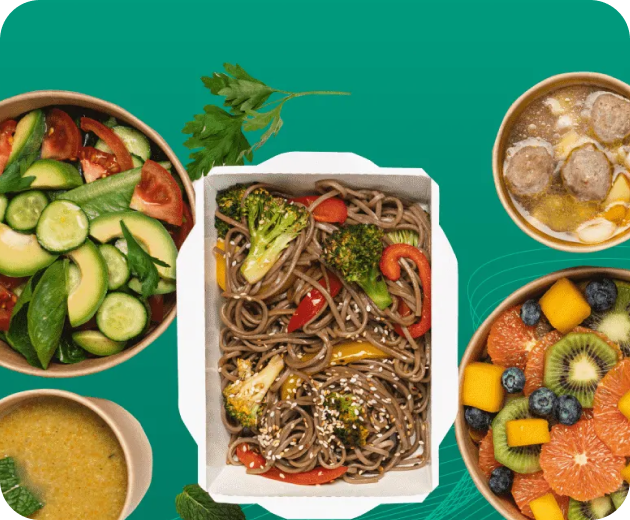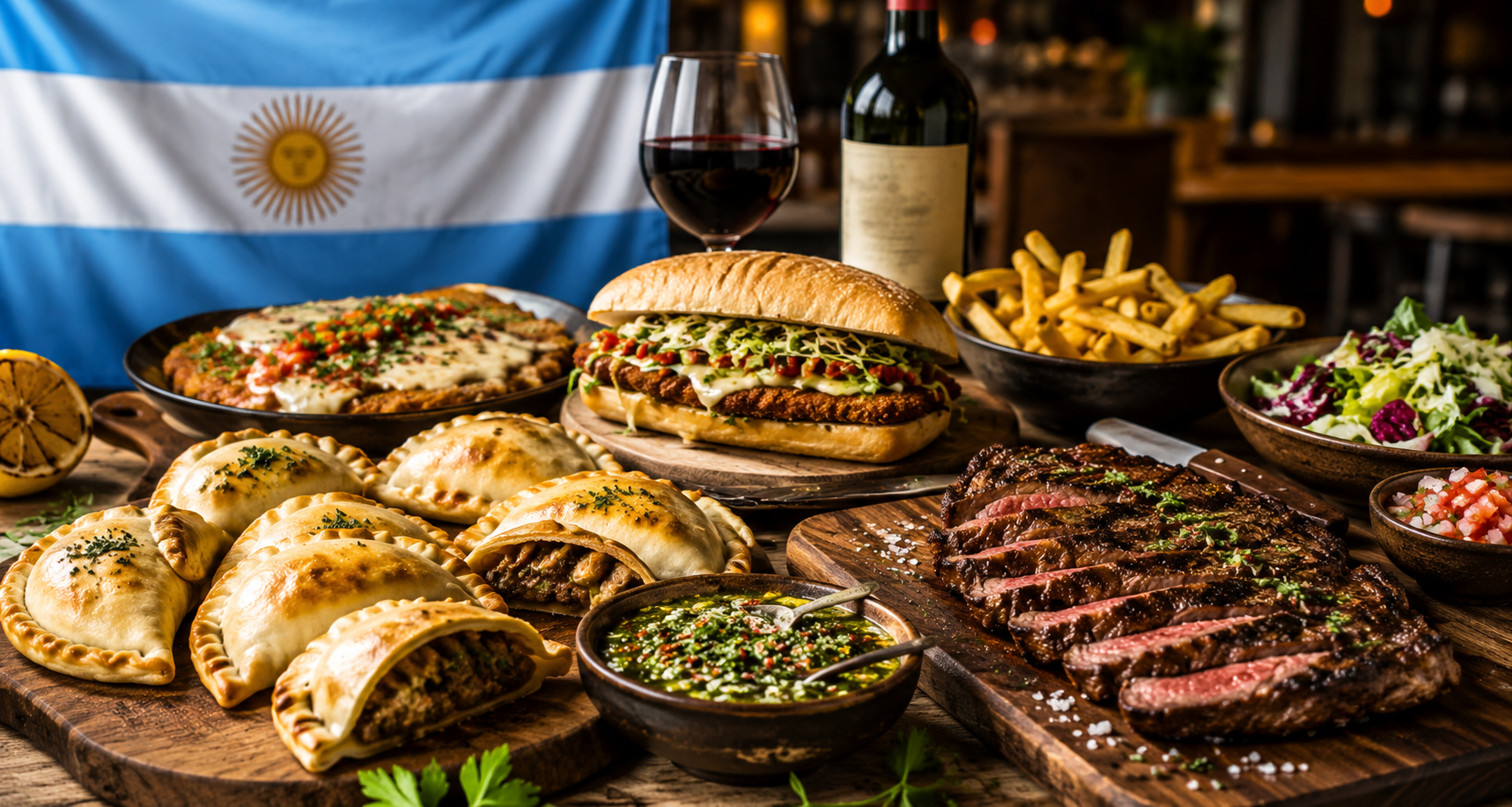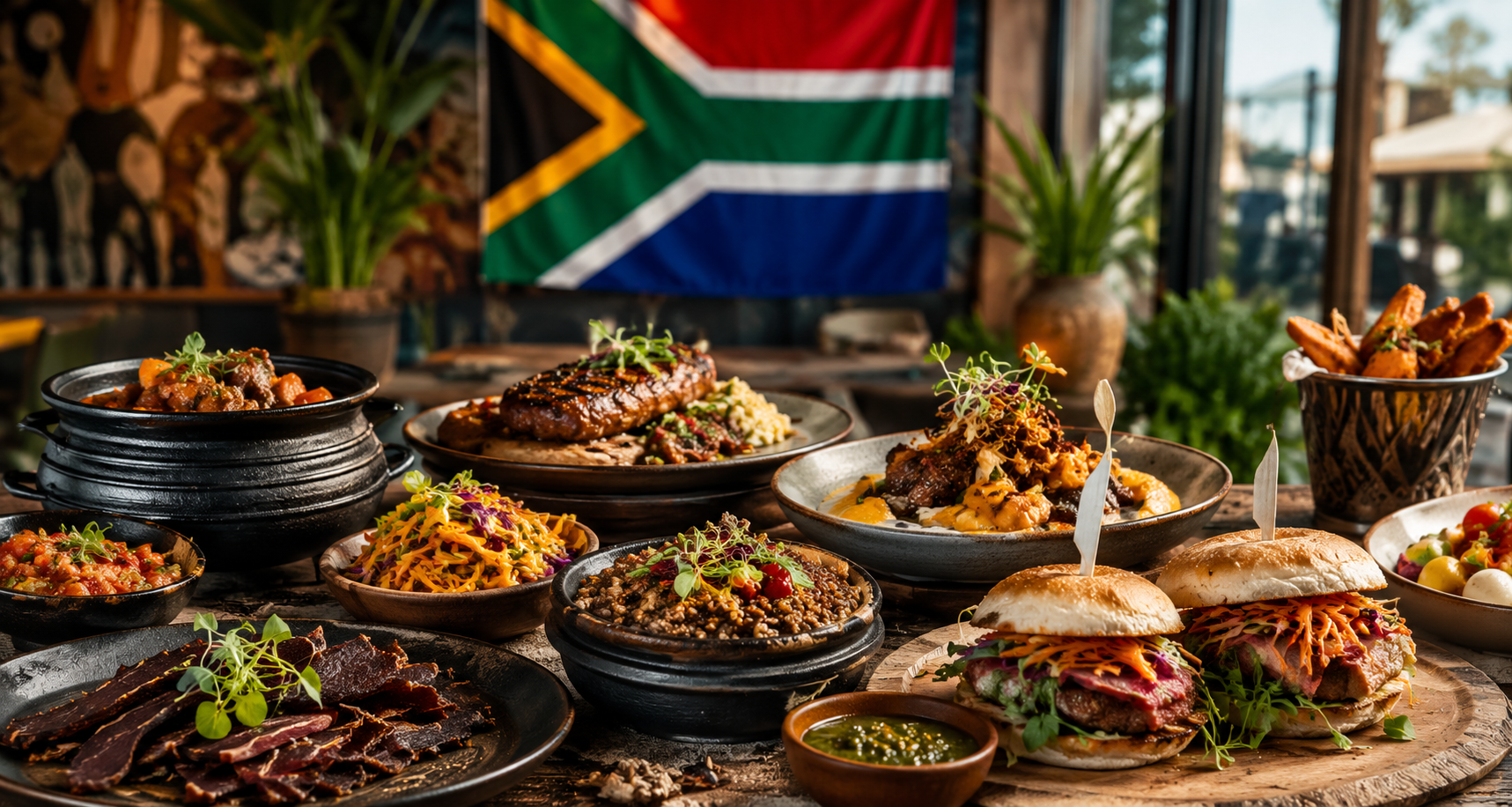
Eco-friendly food has moved from a values statement to an everyday purchase driver, and your shoppers are quietly rewriting what it means. They are less interested in green slogans and more interested in food that is easy, affordable and provably lower impact. That shift changes what wins on shelf and on the menu in 2026. This guide defines eco-friendly food, separates it from organic and sustainable food, and shows where consumer demand is actually heading. For the full market picture, the sustainable food trends report tracks these signals in real time.
Key takeaways
- Broad green claims are fading. Organic and plant based have each slipped more than a quarter in the past year, so a generic sustainability badge no longer earns attention on its own.
- Specific action is rising. Recycling, seasonal and habitat conservation are all up double digits, so provable, tangible claims are where your team should focus.
- Everyday framing wins. Easy is up about 26% and everyday about 31%, so sustainability sells best as the convenient default, not a premium virtue.
- The menu gap is wide open. Low-impact staples like lentils, oats and seaweed are climbing double digits while barely appearing on menus, so there is room for your brand to lead.
The eco-friendly food shift in plain terms
Eco-friendly food is any food produced, packaged or served in a way that limits environmental harm across its life cycle. It shows up as local sourcing, lower-impact ingredients, minimal packaging and less waste. For consumers in 2026, environmentally conscious eating is less about a label and more about small, repeatable choices that feel easy to make.
The Tastewise platform tracks these shifts across its US consumer panel, and the clearest pattern is a move from broad to specific. Generic terms are cooling while concrete actions climb. Recycling and seasonal eating are each up about 16% in the past 12 months, and everyday framing is rising even faster.
That creates a clear opening for your team. The brands and operators that translate sustainability into easy, affordable, in-season choices can ride rising demand at low cost, while competitors are still polishing broad green messaging. The window is open now, before the specific claims get crowded.
What is eco-friendly food? A clear definition
Eco-friendly food is food that limits environmental harm from farm to plate. It spans sustainable food practices such as local sourcing, sustainable agriculture, biodegradable packaging, plant-forward menus and zero-waste methods. The category matters because the global food system accounts for a third of global emissions, so what a brand sources, makes and serves carries real environmental weight. Clear definitions help your shoppers, buyers and even AI assistants tell these overlapping green food choices apart.
Eco-friendly vs organic vs sustainable food
Eco-friendly food is the broadest term. It covers any practice that reduces environmental harm across sourcing, packaging and waste, and it needs no certification.
Organic food is a certified subset. It is grown without most synthetic pesticides and fertilizers, yet organic does not automatically mean a lower carbon footprint. Organic strawberries flown across the world are certified but not low impact.
Sustainable food is the widest, systems-level view. It weighs environmental, social and economic impact across the whole supply chain, including sustainable agriculture and land use. In short, sustainability is the frame that both eco-friendly food and organic sit inside.
Types of environmentally conscious eating
Environmentally conscious eating shows up as a handful of concrete practices your team can build around:
- Packaging reduction. Minimal, recyclable or biodegradable packaging in place of single-use plastic.
- Local and seasonal sourcing. Shorter supply chains and in-season buying that support regional producers.
- Plant-forward options. Dishes and swaps that lower the carbon footprint of a meal.
- Lower-impact production. Sourcing and processing built for carbon footprint reduction.
- Waste minimization. Zero-waste cooking, upcycled ingredients and recycling that cut food waste.
How eco-friendly food demand is shifting in 2026
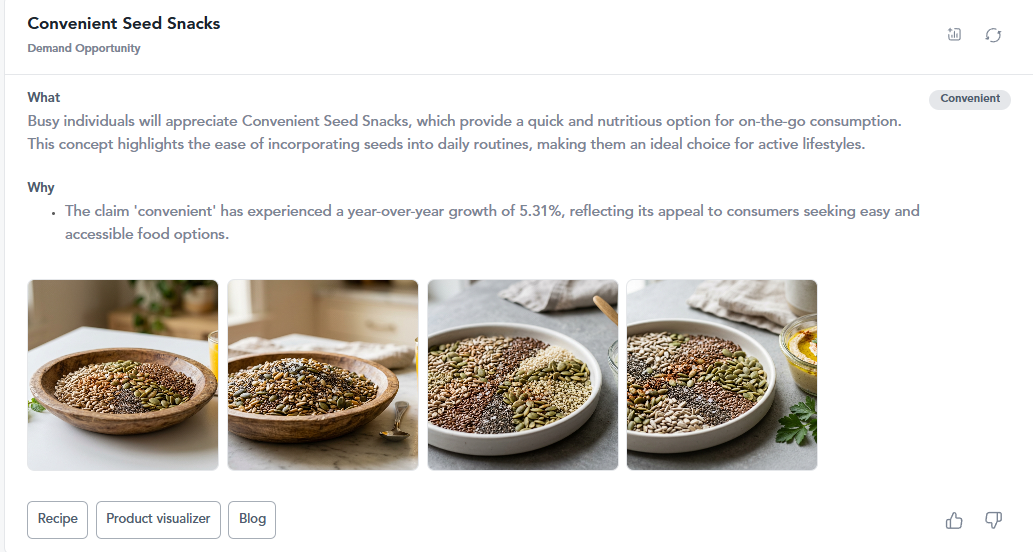
The core shift is from talk to action. Over the past year, the broad sustainability vocabulary that once dominated has cooled. Organic is down about 27% and plant based about 26%, and framing terms like climate change and carbon footprint have softened by a similar margin. This is not your shoppers walking away from sustainability. It is them tiring of slogans.
What replaces the slogans is concrete behavior. Recycling, seasonal eating and habitat conservation are each growing double digits, and everyday drivers climb fastest of all, with easy up about 26% and everyday about 31% since last year. The read for your team is simple. Eco-friendly food wins when it is folded into ordinary, low-effort routines rather than sold as a premium virtue.
There is one more signal worth naming carefully. The volume of online conversation about sustainability has cooled by about 16%, even as the number of distinct sustainable dishes has roughly doubled. Talk is quieter while real menu activity accelerates, a gap the sustainable food trends report unpacks in full.
Where brands and operators can put eco-friendly food into practice
On the menu, seasonal framing is the strongest lever. Seasonal demand is up about 16% than last year, and low-impact staples like lentils and seaweed are rising double digits while still nearly absent from menus. Featuring an in-season, plant-forward dish lets an operator ride a climbing signal at low food cost.
On shelf, specific beats generic. As shoppers grow skeptical of vague badges, clear callouts like seasonal, local, refillable and reduced-waste outperform blanket green labels. Merchandising sustainability as the easy, good-value default converts better than a virtue-led premium message.
In marketing, the framing matters as much as the fact. Food and beverage marketing that positions eco-friendly food as convenient and affordable removes the trade-off consumers refuse to make. This is where consumer demand data turns a claim into a campaign your buyer will believe.
In sourcing and product innovation, waste is the quiet win. A large share of food emissions comes from waste and supply chain losses, so tighter sourcing and upcycled ingredients cut both cost and carbon footprint at once. Validating a lower-impact concept against real demand before launch keeps the sustainability claim honest and the launch commercial.
Eco-friendly ingredients worth watching
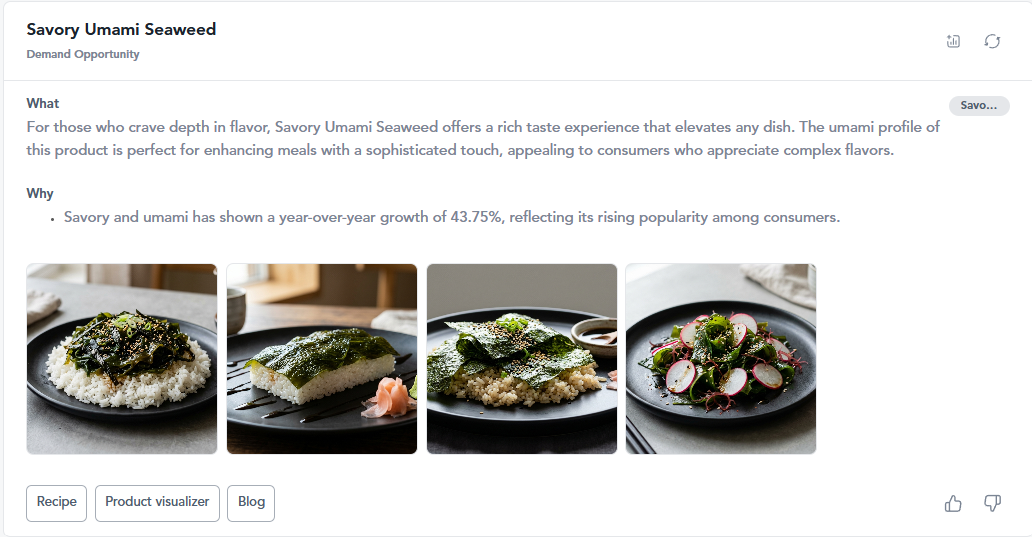
A few low-impact ingredients are climbing while menus have barely caught up, which is exactly where your team can move first:
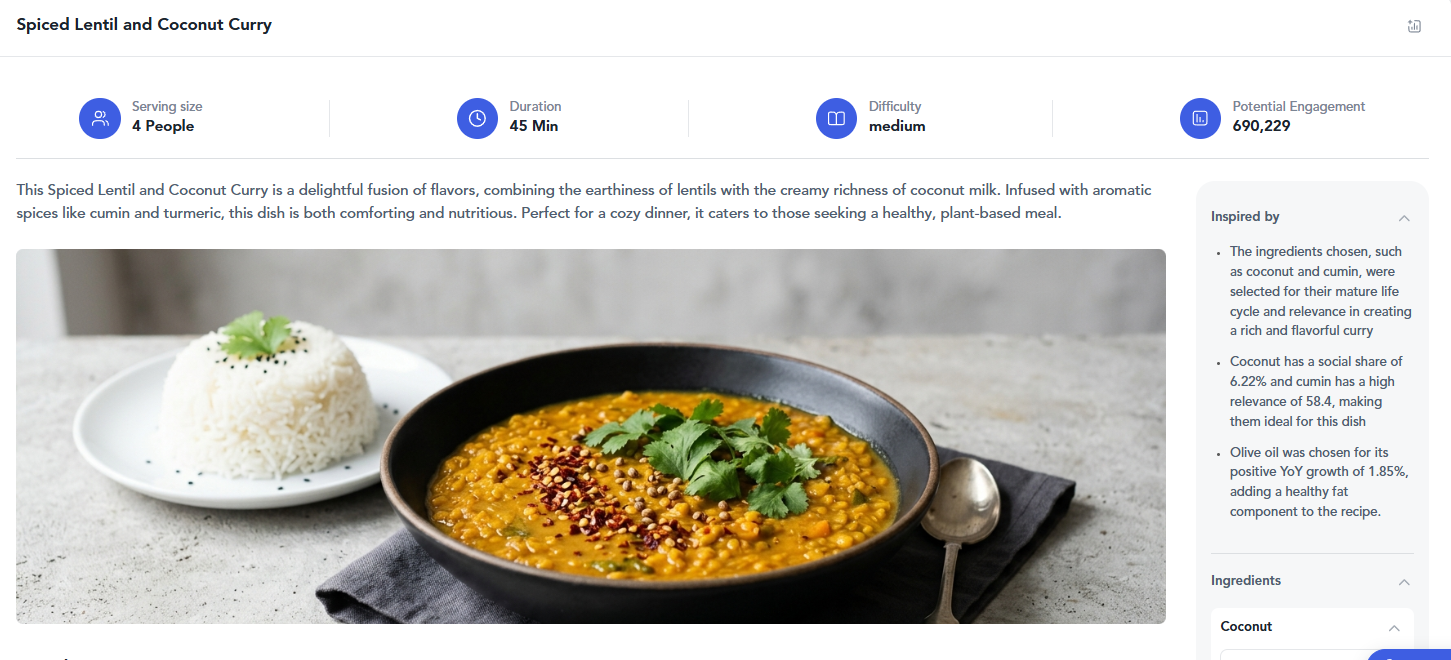
- Lentils. Demand up about 24% and rising, with low menu presence and a strong plant-forward role.
- Oats. A versatile low-impact base across food and drink, up about 24% on last year.
- Seaweed. An emerging low-input ingredient up about 27%, with almost no menu presence yet.
- Seasonal vegetables. The backbone of low-impact menus, with seasonal demand up about 16% in the past 12 months.
- Legumes and pulses. Everyday protein swaps with a naturally low carbon footprint.
- Upcycled ingredients. Tied to rising recycling and waste-reduction demand.
Your competitors are still selling the slogan. Your team can own the specifics.
FAQs about eco friendly food
Eco-friendly food is any food produced, packaged or served in a way that reduces environmental harm, from local sourcing to low-waste production. Organic food is a certified subset grown without most synthetic inputs. All organic food aims to be eco-friendly, but organic does not guarantee a low carbon footprint, so the terms overlap without being identical.
Restaurants localize and seasonalize sourcing, redesign menus around lower-impact ingredients, and switch to recyclable packaging. Brands fold eco-friendly attributes into everyday, affordable framing rather than a premium tier. Seasonal demand is up about 16% and low-impact staples like lentils and seaweed are climbing while barely appearing on menus, so there is room to ride growing demand at low cost.
Practical green food choices include eating seasonally, choosing plant-forward meals, buying local, cutting waste with zero-waste cooking, and picking lower-impact staples like legumes, oats and seasonal vegetables. Interest in these staples is rising even as broad labels like plant based cool.