





Kraft Heinz

10 Content Concepts per Prompt: How Kraft Heinz Scaled Content Production with Tastewise
- 10 content concepts generated per prompt
- Faster content creation
- Six content workflows powered by one intelligence layer
“We're focused on generating more content, faster, with a higher probability of success.”
 Justin ThomasSales and Marketing Director, Kraft Heinz
- Industry
- CPG Food & Beverage
- Region
- Global
- Use case
- Content creation, marketing activation, consumer intelligence, creative strategy
- Categories
- Content MarketingProduct Innovation
Creating content was never the problem for Kraft Heinz. Creating enough relevant content across brands, channels, and markets was.
Consumer preferences move quickly. Content calendars don't always have that luxury. The team needed a way to stay connected to what people were actually eating, cooking, and ordering, while giving marketers a faster path from insight to execution.
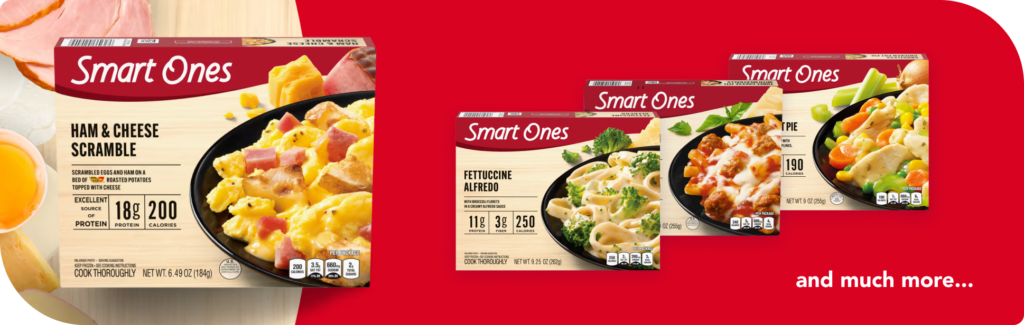
Using Tastewise, Kraft Heinz brought consumer, recipe, and menu signals into one place and used them to generate content concepts, recipes, visuals, and creative directions. Instead of starting with assumptions or waiting for the next research report, teams could build content around emerging demand as it happened.
Challenges
As content needs grew across brands and markets, a few familiar problems kept getting in the way.
Content creation was difficult to scale.
Teams needed more content than traditional research and planning cycles could support.
Creative decisions lacked consumer proof.
It wasn't always clear whether a concept reflected real consumer interest or simply sounded like a good idea internally.
Moving from insight to content took too long.
Too many handoffs slowed the process between identifying an opportunity and acting on it.
Consumer behavior moved faster than reports.
By the time some insights reached the team, the market had already moved on.
Tastewise’s solution
Tastewise gave Kraft Heinz a continuous view of consumer demand and food-trained AI agents that helped turn those signals into content.
One place to track what consumers want. The team combined menu activity, recipe behavior, and consumer demand signals into a single view of the market.
Better starting points for creative work.
Instead of beginning with a blank page, teams could start with evidence of what consumers were already responding to.
Faster movement from insight to execution.
Consumer signals could be turned into content concepts, recipes, and visuals without lengthy research cycles.
Continuous visibility into emerging trends.
Always-on monitoring helped teams spot opportunities earlier and keep content aligned with changing demand.
How Kraft Heinz used Tastewise
- To create content that could scale across brands and channels, Kraft Heinz looked at several layers of food and beverage behavior.
-
- Consumer demand. The team tracked shifts in consumer interests, occasions, and preferences to understand where demand was building.
- Recipe behavior. Recipe data revealed how ingredients, flavors, and meal formats were showing up in home cooking.
- Menu activity. Restaurant menus provided a real-world view of how trends were moving from interest into actual consumption.
- Content workflows built on food-trained AI agents. Consumer, recipe, and menu signals gave teams a starting point for generating content concepts, recipes, visuals, and creative directions across brands and channels.
Bringing these sources together gave teams a repeatable way to create content that reflected real consumer behavior rather than assumptions.
-
Results
Tastewise helped Kraft Heinz create more content, move faster, and build greater confidence in creative decisions.
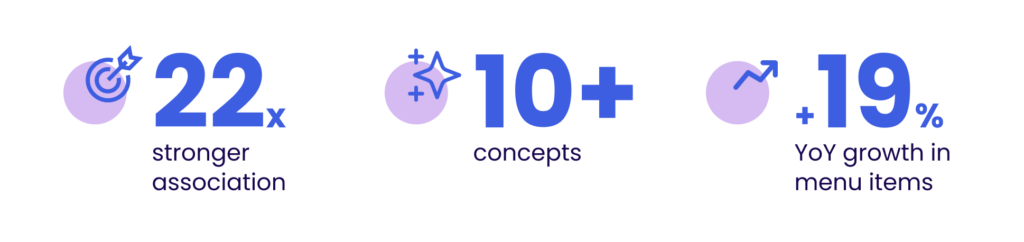
10 content concepts generated per prompt
Faster content creation
Six content workflows powered by one intelligence layer
More confident creative decisions
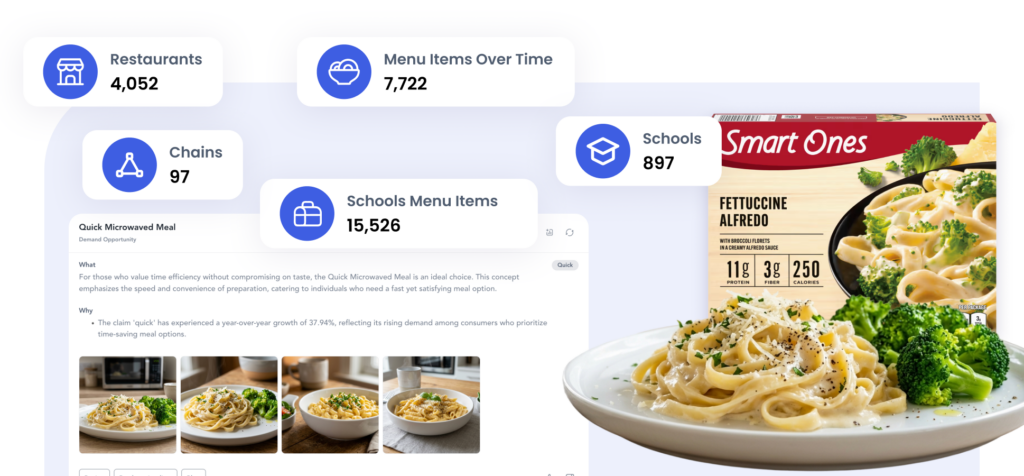
22x stronger association with microwaved meals than benchmark
+19% YoY growth in menu items mentioning Heinz
Teams could explore multiple content directions at once instead of starting from scratch.
Ideas moved from signal to execution more quickly, reducing delays between planning and production.
Different teams worked from the same evidence, while food-trained AI agents helped turn demand signals into content, recipes, visuals, and marketing opportunities.
Content was built around observed consumer behavior rather than internal opinions alone.
Kraft Heinz achieved a 22x stronger association with microwaved meals than the benchmark.
Menu visibility continued to grow as the brand remained connected to evolving consumer demand.
| Challenges | to | Solutions |
|---|---|---|
| Content creation was slow to scale | Generated content across multiple AI-powered workflows | |
| Creative decisions lacked consumer proof | Grounded every output in consumer, recipe, and menu signals | |
| Too many handoffs slowed execution | Food-trained AI agents transformed signals into activation-ready content | |
| Insights aged quickly | Continuous monitoring kept content aligned with demand |
Want to see Tastewise in action for your brand?
Get a demoMore customer stories
All customer stories →Irca: Answering customers in minutes, not days, with the Tastewise MCP
Lucia Soave connects what's happening in the market with Irca's ingredients and innovation, supporting sales, R&D and a marketing team made up of chefs. Customer meetings are often 20 to 30 minutes, and a single market-trend request could take multiple days: find the data, select it, build a strategy, then build the deck.
Gluttonomy carves out a unique positioning in a crowded frozen yogurt market and validates concepts faster with Tastewise
Gluttonomy set out to build Akopi, a Mediterranean-inspired frozen Greek yogurt bar and lifestyle concept, in a category already crowded with global frozen-yogurt concepts. The agency needed a clear read on what consumers in the space actually wanted to build a differentiated, and defensible value proposition before committing to a full brand build.
Newly Weds Foods: Answering 350+ client projects a year in days, not weeks
A lean four-to-five person team at Newly Weds Foods fields more than 350 customer projects a year, each expected to turn around within a ten-business-day window. Client questions were getting deeper - customers wanted consumer insights and trends, what people think, what's rising, but the team had no data to answer them.


One intelligence system. Real business outcomes
Consumer panels, market trackers, and agents working together to help food and beverage teams expand distribution, accelerate innovation, and drive demand.
Book a demo