







Portugal food trends in 2026 are moving in three directions simultaneously, and brands that are still mapping the market against heritage dishes alone are already behind. Fresh and natural positioning has become the dominant consumer demand signal, global cuisine formats are accelerating faster than most European peers, and protein has moved from a niche claim into a mainstream purchase motivator. If your team is planning launches or reformulations for the Portuguese market, the consumer panel data from Tastewise paints a specific picture of where appetite is building and where it has already peaked.
Key takeaways
- Fresh and natural are the two highest-share consumer claims in the Portuguese food panel at 17.86% and 17.80% respectively, both growing in the past year. Your formulation and packaging briefs should lead with clean provenance, not functional complexity.
- Balanced eating (balanceada) has grown 314% in the past 12 months, making it the fastest-accelerating wellness signal in the Portuguese consumer panel. Brands positioned around moderation and nutritional completeness have significant runway.
- Asian cuisine claims are growing at 31.5% and Indian at 39.4%. These are not niche tastes. They represent a real shift in what Portuguese consumers choose to cook and buy, and your innovation pipeline should reflect that.
- Weekend occasion is up 83.2% and weekday occasions have grown 232%, signalling that Portuguese consumers are engaging with food differently across the week. Products that fit multiple occasion contexts will outperform single-daypart formats.
What is driving Portugal food trends in 2026
The Portuguese consumer is navigating a meaningful shift in food identity. Traditional dishes remain culturally anchored, but the everyday eating occasion is increasingly shaped by values around freshness, nutritional balance, and global flavour curiosity. This is not a rejection of heritage. It is a broadening of what feels like a natural food choice, and it is happening across multiple age groups and income brackets.
The Tastewise consumer panel for Portugal shows fresh food and natural claims holding the top two positions by share. Fresh (comida fresca) sits at 17.86% share with 19.6% growth in the past 12 months, and natural registers almost identically at 17.80% share with 18.9% growth. The balanced eating claim has seen the sharpest acceleration, up 314% since last year, suggesting that moderation-forward positioning is moving from aspiration to active consumer behaviour. Protein is up 43.3% at 10.27% share, and comfort food signals are also growing at 16.8%, showing that Portuguese consumers want both nourishment and satisfaction from the same purchase. For the operator-side view of how these same shifts are reaching menus and restaurants, the Portugal menu trends analysis covers the foodservice dimension in detail.
The opportunity for food and beverage brands is precise. Portuguese consumers are not searching for wellness theatre. They want products that taste good, feel genuinely natural, and fit into a life that includes global cuisine nights and weekend eating rituals. A brand that can land clean-label credibility alongside authentic global flavour has a clear positioning advantage in this market. The 2026 food and beverage trend forecast shows how these same signals are playing out across other European and global markets.
Portugal food trends: the clean-label signal that has become non-negotiable
Fresh and natural are not just growing claims in Portugal. They are the structural baseline against which consumers are now evaluating every food purchase. When the top two consumer motivators in a national panel both sit above 17% share and both show continued upward momentum, that is a category-level shift, not a passing trend.
What the data makes clear is that freshness in Portugal is primarily an at-home signal. In the Portuguese consumer panel, the fresh food claim shows a 47% food / 53% restaurant split, meaning that home cooks and retail shoppers are driving almost as much of this signal as out-of-home dining. For CPG and retail teams, that matters. The consumer buying fresh produce, yogurt, or packaged meals is applying the same freshness lens they would in a restaurant. Clean ingredient lists, minimal processing and transparent sourcing are no longer differentiators in this market. They are entry requirements.
Queijo fresco, a soft fresh cheese with deep roots in Portuguese cuisine, is up 75.3% in the consumer panel in the past year. This is a useful signal. The ingredient is not exotic. Its growth tells you that Portuguese consumers are reaching for lightly processed, culturally familiar foods at a faster rate. Your product innovation strategy should be stress-testing how well your portfolio speaks to freshness in both formulation and communication.
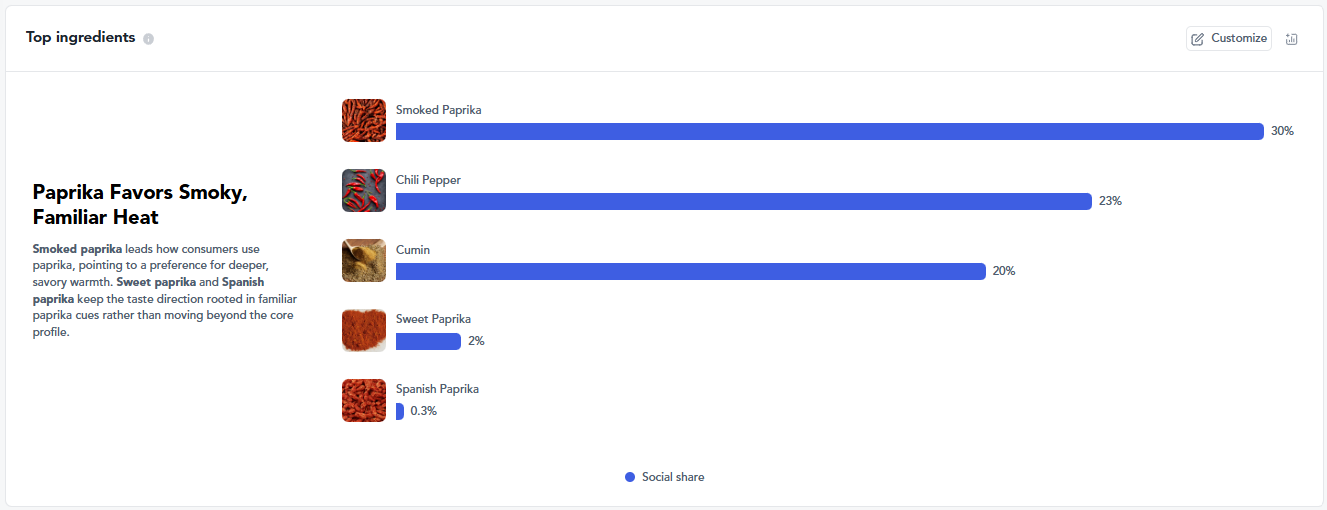
Paprika is up 102.3% in the same panel period. On its own that might read as a spice trend. In context with the broader natural and fresh movement, it signals something more useful: Portuguese consumers are building flavour at home with simple, whole ingredients, not with complex sauce systems or pre-seasoned formats. Products built around straightforward ingredients with clear provenance will fit this behaviour naturally.
How global cuisine is reshaping Portugal food trends
The global flavour shift in Portugal is faster than many international brands expect. Asian cuisine claims are growing at 31.5%, Indian at 39.4%, Chinese at 54.6% and Thai at 53.2%. These figures come from the consumer panel, which tracks what Portuguese people are actually cooking and eating at home, not just browsing online. This is consumer demand in practice.
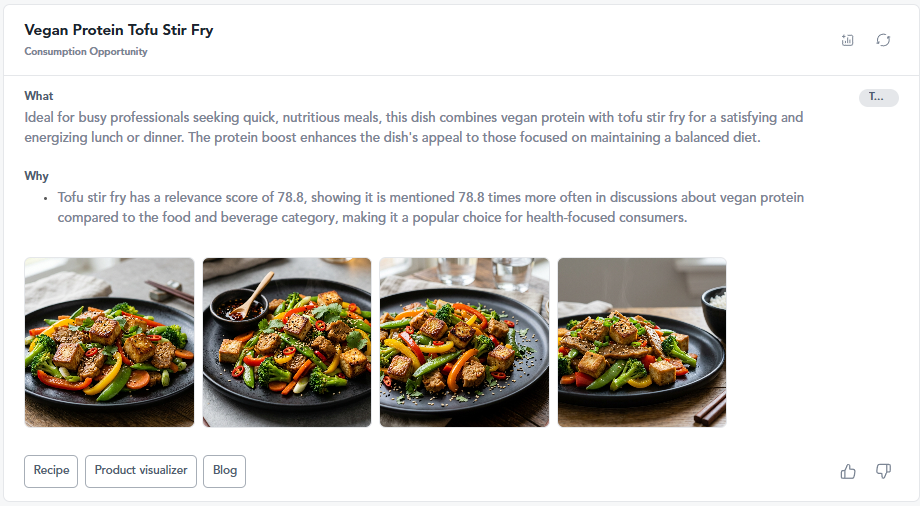
Tofu is the single most-tracked ingredient in the Portuguese plant-based consumer panel, holding 12.58% social share with 26.4% growth in the past 12 months and classified in the emerging lifecycle stage. That lifecycle designation is important. Emerging means consumer engagement is building ahead of widespread product supply. Brands with tofu-forward or Asian-inspired product lines have a first-mover advantage in a market that is looking for these formats but not yet well served by them.
Stir fry as a cooking occasion is up 163.6% in the Portuguese consumer panel. Noodles and macarrão are growing at 30.5%. The food intelligence and menu planning context here is significant: Portuguese consumers are not just buying ingredients, they are building new cooking occasions around Asian cuisine formats. A cooking sauce, a noodle kit, a tofu product or a stir fry seasoning designed for this market has a consumer base that is already practising the occasion, not being introduced to it.
Vegan protein (proteína vegan) is up 149.4% in the plant-based segment of the Portuguese panel. Hemp (cânhamo) is up 53.6%. These figures reflect a consumer who is exploring alternative protein not just for ethical reasons but because global cuisine formats, particularly Asian, make plant-based protein feel like a natural ingredient rather than a substitution. Kombucha is up 108.5% and matcha latte is tracking alongside it in the Portuguese panel, pulling the same Asian-influenced preference through into drinks. The beverage trends picture mirrors what is happening in food: global formats are driving the most meaningful growth across both categories.
The wellness dimension of Portugal food trends in 2026
Protein is the second-fastest growing macro claim in the Portuguese consumer panel in 2026, up 43.3% at 10.27% share. Unlike in some other European markets where protein is primarily a sports nutrition signal, in Portugal the protein claim is closely correlated with balanced eating. The balanceada claim, which grew 314.1% in the past 12 months, sits primarily in the home food context, showing 74% food attribution versus 26% restaurant. Portuguese consumers are building protein into everyday home-cooked meals, not primarily into gym-adjacent products.
This matters for positioning. A brand entering Portugal with a high-protein product framed around athletic performance is targeting a narrower audience than a brand framing the same product around everyday nutritional balance. The consumer behaviour data suggests that the bigger opportunity sits in foods that deliver protein naturally within a real meal format, not as a supplement or functional add-on. Soups, in particular, have grown 173.4% in the Portuguese consumer panel in the past year, suggesting that warming, simple formats are absorbing the wellness signal alongside the comfort signal simultaneously. The healthy food trends shaping this market sit in everyday formats and whole ingredients rather than functional extremes.
The weekend occasion signal reinforces this. Weekend dining in Portugal is up 83.2% as a consumer claim, and weekday occasion engagement has grown 232%. Portuguese consumers are thinking about food differently across the week, and brands that understand this cadence can build product ranges and occasion-specific messaging that fits into how real eating decisions are made. The CPG marketing implications are direct: single-SKU, single-occasion strategies will underperform against lines that address both the weekday nutrition context and the weekend discovery context. Snack trends in Portugal reflect the same pattern: Portuguese consumers are choosing smaller, more frequent eating moments that sit between traditional meal occasions, and your format and portioning decisions should account for that.
What your brand should do with Portugal food trends data
The Portugal consumer panel points to three specific brand actions. First, clean-label and natural positioning is a floor requirement, not a differentiator. Your packaging, formulation and retailer sell-in narrative need to lead with ingredient transparency before moving to benefit claims. Portuguese consumers are reading labels and reaching for familiar, minimally processed ingredients. Any product that does not pass the freshness credibility test will struggle to gain shelf presence regardless of how well it performs on other metrics.
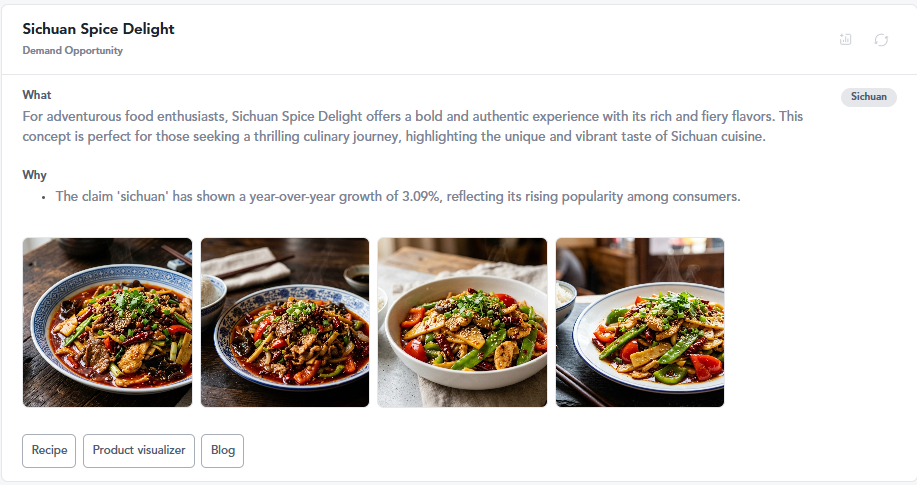
Second, global cuisine formats represent the highest-growth opportunity in the market. Asian, Indian, Thai and Chinese signals are all growing at above 30% in the past year, and the ingredients that support these formats, tofu, noodles, stir fry sauces, plant-based protein, are all accelerating alongside them. If your innovation pipeline does not have a global cuisine tier for the Portuguese market specifically, this is the moment to build one.
Third, the balanced eating signal growing at 314% is the most commercially significant data point in this dataset. It tells you that Portuguese consumers are moving away from extreme diet frameworks and toward moderation, variety and nutritional completeness. A brand that can credibly own this space, across a range of formats and occasions, is positioning itself against the most durable consumer value in the market. According to research from EUFIC, European consumers increasingly link food choices to long-term wellbeing over short-term trends, a finding that aligns directly with the balanceada acceleration in the Portuguese panel.
Your consumer marketing strategy for Portugal should reflect all three of these realities together. Clean provenance, global flavour credibility and balanced nutrition are not competing messages. In the Portuguese market in 2026, they are one coherent consumer story. Brands that tell it will connect. Brands that pick only one dimension will leave demand on the table.
FAQs about Portugal Food Trends 2026
The three dominant consumer signals in Portugal in 2026 are fresh and natural eating, global cuisine formats led by Asian and Indian, and balanced nutrition. Fresh food and natural claims hold the top two positions in the Portuguese consumer panel by share. Protein is up 43.3% and balanced eating (balanceada) is up 314% in the past year, making Portugal one of the faster-moving wellness markets in Southern Europe.
Yes, and the growth is closely linked to global cuisine adoption rather than ethical substitution alone. Tofu holds 12.58% social share in the Portuguese plant-based panel and is in the emerging lifecycle stage, meaning consumer engagement is building ahead of available product supply. Vegan protein is up 149.4% in the plant-based segment. The opportunity is largest in Asian cuisine formats where plant-based ingredients feel like natural parts of the dish, not replacements.
Tastewise tracks consumer food behaviour in Portugal through a consumer panel that captures what people are cooking, eating and sharing at home and in restaurants. The platform surfaces signals across ingredients, dishes, claims and occasions, all indexed and trended over time. For brands using food marketing strategies in the Portuguese market, this level of specificity means you can act on real demand data rather than category assumptions.




We’d love to learn your goals and see how Tastewise fits
We’d love to learn your goals and see how Tastewise fits
Get a personalized demo
Good taste. Wise move.
Your demo request is confirmed. We’ll reach out within one business day to schedule your walkthrough.
What happens next

See what’s driving demand, then turn it into a sell-in story for retailers and operators.
- Connect consumer panels, market trackers, and agents into one evidence view
- Get the “why” behind what’s changing, with explainable demand drivers
- Walk away with a buyer-ready narrative and next steps to activate
Trusted by





“Tastewise is my secret tool for knowing what consumers want next and why.“