





Key insights
In 2023, Gatsby Chocolate achieved early visibility on “Shark Tank” and disrupted the multibillion dollar confectionery industry by leveraging an innovative ingredient solution – Esterified Propoxylated Glycerol (EPG) – to address some of consumers’ most common complaints about low-calorie, low-sugar sweets. The brand’s short cycle provides an actionable, modern maxim for growth-focused teams: ingredient-led success is about identifying unmet functional needs, validating them early with repeatable evidence and leveraging innovative solutions to address consumer and retailer pain points.
Introduction
In 2023, the founders of Gatsby Chocolate appeared on the popular television show, “Shark Tank,” looking to increase the reach and visibility of their low-calorie chocolate bars. Doug Bouton – one of Gatsby’s founders – was already known for disrupting the ice cream market with his lightened-up ice cream brand, Halo Top.
Seeking to replicate some of the success of his Halo Top strategy, Doug Bouton and his brother, Ryan, sought to address one of the most common consumer complaints related to low-calorie chocolate bars: mouthfeel. Historically, the chalky and artificial taste of low-calorie, low-sugar chocolates had kept consumers at arm’s length, but the Boutons were prepared to address this pain point with an innovative ingredient solution – EPG.
The brand was ultimately successful in securing an investment on the show and went on to roll out multiple flavors and formats of their macro-friendly confections in major retailers like Walmart. Gatsby’s growth experience clearly demonstrates the link between consumer needs, ingredient innovations and R&D, raising key questions about how other brands can identify potential ingredient-driven opportunities for filling in functional gaps and increasing their visibility.
The R&D signal: Tracking the rise of EPG
Esterified Propoxylated Glycerol (EPG) is an innovative ingredient manufactured by a company called Epogee that served as the cornerstone of Gatsby’s formulation strategy. While Gatsby’s competitors were focused solely on replacing the sugar in their chocolate bars with alternatives like Stevia or Allulose, Gatbsy was using EPG to replace the fat in their chocolate and create a low-calorie product that didn’t compromise on mouthfeel.
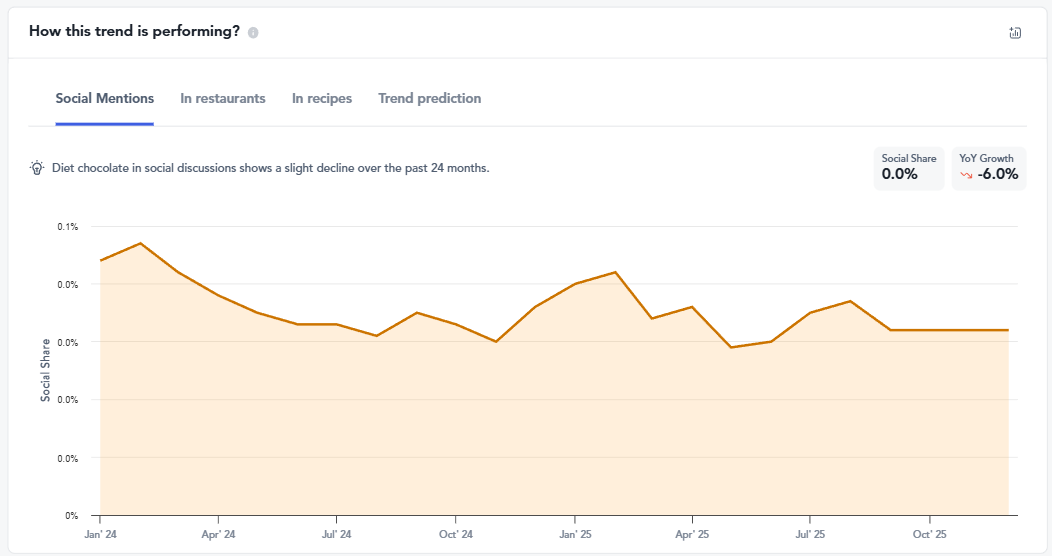
According to Tastewise’s Social F&B panel, social media discussion around low-calorie chocolate has benefited from roughly 6% YoY growth in the last 12 months. The same data panel also reveals a YoY increase in searches for products like Halo Top ice cream, which suggests that today’s consumers are actively interested in low-calorie confectionery products that effectively emulate the “real thing.” These qualitative signals appeared well before EPG ingredient trends entered mainstream product launches, making this innovative ingredient solution an ideal vehicle for branching into untapped whitespace opportunities.
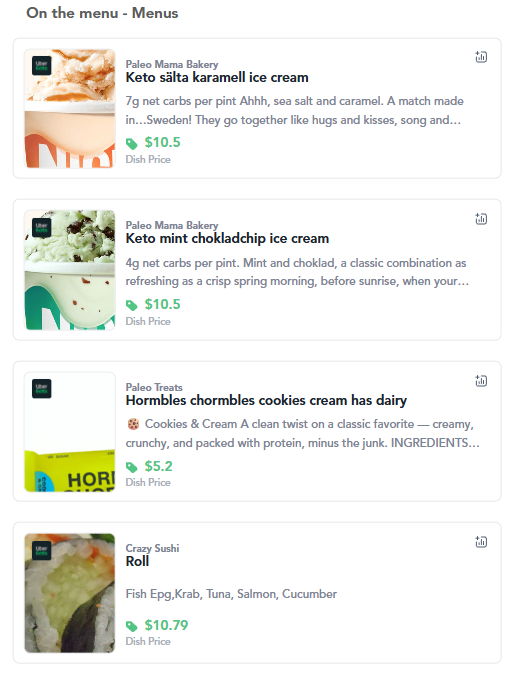
Tastewise tracks emerging ingredients like EPG ingredient trends by correlating functional claims with consumer complaints across social, foodservice and home cooking datasets. Armed with this kind of repeatable, explainable evidence, brands can identify and leverage innovative strategies for alleviating common pain points, such as the relatively poor texture of low-calorie chocolates.
This is where ingredient intelligence shifts R&D reformulation strategies. Instead of asking which sweetener is trending or which flavors are getting the most traction on social media, teams can identify which functional problem remains unresolved so they can invest in ingredient solutions that can fill in the gaps. Gatsby found a whitespace opportunity driven by consumer pain points and leveraged their innovative solution to increase visibility and generate conversions.
Marketing strategy: Riding the “guilt-free” wave
Gatsby very intentionally did not position itself as “diet chocolate.” In fact, its messaging focused on indulgence rather than restriction. This distinction matters. Data from the Tastewise Social F&B panel shows that online discussion about “diet chocolate” is on the decline, but conversation about “low-cal chocolate” and “chocolate” in general are on the rise. As a result, it made more sense from a marketing perspective for Gatbsy to position itself as a brand that provides low-calorie, high-quality chocolates that consumers can indulge in with less guilt – no restriction required.
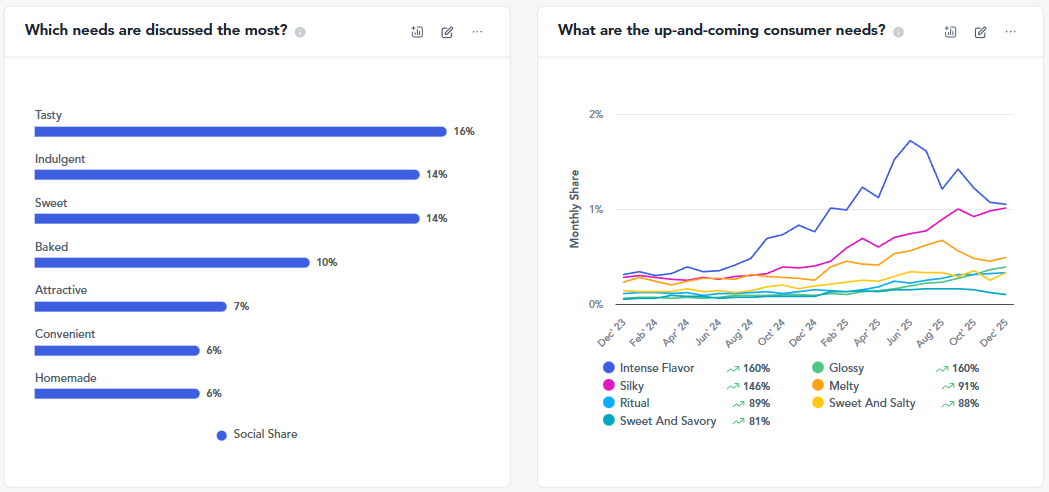
While labels like GMO-free, gluten-free and keto-friendly may have served as effective baseline filters when Gatsby hit the market, these attributes weren’t necessarily primary purchase drivers for Gatsby’s target audience. Social listening data confirms that consumers in the low-calorie confectionery market were not asking for “healthier chocolate.”They were asking for binge-friendly chocolate that would align with their typical consumption habits without compromising their macronutrients.
This indulgence mindset was evidenced in everything from Gatsby’s font choices to packaging design to marketing campaigns. Even the brand name was an homage to luxury and decadence, which aligned more effectively with consumers’ data-backed preferences for their macro-friendly sweet treats.
Consumer drivers: Why texture won the battle
Tastewise analyzes consumption moments rather than abstract preferences or historical healthy indulgence trends. Data from the Social F&B panel shows that chocolate frequently appears in conversations associated with late-night snacking. This pattern indicates a repeatable use case defined by specific behavior tendencies and consumption volumes. If data shows consumers regularly eat large amounts of chocolate late at night in an effort to “treat themselves,” formulation requirements should shift towards developing products that can be enjoyed in similar quantities with less guilt attached.
This is why Gatsby’s texture-driven differentiation paid off. While there were already Stevia-based alternatives like Lily’s chocolate on the market, consumers were still dissatisfied with the experience of consumption. Mouthfeel and flavor both played a role in these complaints and contributed to relatively low customer satisfaction and re-purchase rates of chocolate products that focused only on low-calorie sweetener swaps.
This shift explains why EPG-based formulations gained attention despite higher technical complexity and logistics challenges. Addressing the product’s texture solved a real consumer friction point that had previously gone unaddressed. Brands that treat indulgence categories as purely flavor-driven often miss this distinction, leaving consumers feeling unheard and dissatisfied.
Want to identify the next ingredient-led opportunity before it reaches retail? Start with ingredient validation in Tastewise.
How to find the next Gatsby before competitors
The most important takeaway from Gatsby’s rise is not brand or product replication. It is process replication.
Here’s what Gatsby got right:
- They spotted a problem-solving ingredient early in its lifecycle and researched its possible use cases for the products they wanted to create. Ingredient intelligence relies on research literature, patent filings and early foodservice adoption. If you wait for a retail launch, you might already be too late.
- They used a validated consumer problem to help them build their product. Using AI-driven analysis to identify recurring complaints, such as “chalky texture” in the case of low-calorie chocolate bars, can help brands make development decisions with greater internal conviction that can generate external conviction down the line.
- They monitored their competitors to monitor the value and efficacy of their differentiators. By keeping track of regional differences, challenger brands flavors and formats and ongoing consumer preference data, brands can gain a clearer sense for where velocity is building and ascertain whether it aligns with their goals for sustainable growth and market differentiation.
These are just a few of the ways data tracking and food trend analysis related to consumption moments and unmet functional needs can help brands identify opportunities for CPG innovation and leverage those white spaces to develop problem-solving products that support consumers’ existing routines and preferences. This approach allows innovation, insights, marketing and commercial teams to build internal and external conviction with evidence-based workflows, rather than relying solely on intuition or isolated trend data.
Conclusion
Gatsby Chocolate was not a miracle product. It simply met a very specific consumer need that had previously gone unaddressed. Gatsby’s trajectory serves as clear proof that ingredient intelligence paired with validated consumer pain points can unlock rapid adoption and provide a springboard to sustainable growth.
Brands looking to build durable innovation pipelines must be proactive in their evaluation of unmet consumer needs and take steps to identify emerging ingredient innovations that can help them fill in the gaps. Tastewise supports this process from end-to-end by providing brands with the explainable evidence they need to validate consumer demand drivers and build internal and external confidence in their innovation-informed product offerings.
FAQs about Gatsby chocolate
Gatsby Chocolate reduced caloric density by using a sugar alternative called Allulose and EPG, a fat replacement that preserves texture and mouthfeel while contributing fewer calories than traditional fats.
EPG has GRAS status from the FDA. This means it is “generally recognized as safe” when used according to regulatory guidelines.
Tastewise supports food and beverage research and development by helping brands identify rising flavor and ingredient trends like EPG before they go mainstream using social, foodservice, homecooking and other bespoke datasets.




We’d love to learn your goals and see how Tastewise fits
We’d love to learn your goals and see how Tastewise fits
Get a personalized demo
Good taste. Wise move.
Your demo request is confirmed. We’ll reach out within one business day to schedule your walkthrough.
What happens next

See what’s driving demand, then turn it into a sell-in story for retailers and operators.
- Connect consumer panels, market trackers, and agents into one evidence view
- Get the “why” behind what’s changing, with explainable demand drivers
- Walk away with a buyer-ready narrative and next steps to activate
Trusted by





“Tastewise is my secret tool for knowing what consumers want next and why.“