







What’s driving growth in your retail category?
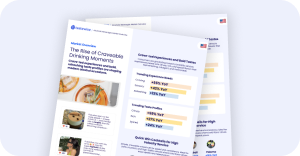
Get a tailored, one-page snapshot of category growth across key retailers, powered by real-time consumer signals.

Get a tailored, one-page snapshot of category growth across key retailers, powered by real-time consumer signals.
- What’s trending in your category at specific retailers
- Which consumer needs are driving these changes
- Where to focus for immediate shelf and distribution wins

-
What’s trending in your category at specific retailers
-
Which consumer needs are driving those changes
-
Where to focus for immediate shelf and distribution wins
Second form title
Get a tailored category story for your selected retailer
What you’ll get in your retail category overview
Understand category trends, shopper behavior, and where to focus next across key retailers.


FAQ
01.What are the latest retail category trends in food and beverage?
Retail category trends show which products, flavors, and claims are gaining traction based on real consumer behavior across retailers. Staying current on retail category analytics ensures your assortment reflects what shoppers are actually buying, not lagging survey results.
02.How can I analyze growth in my food category?
You can analyze category growth using real consumer data to identify what’s selling, what’s emerging, and which trends are gaining momentum. Retail category management software surfaces these signals in real time, making retail category optimization faster and more precise for every account.
03.What is a food category insights report?
A food category insights report highlights key trends, consumer preferences, and growth opportunities within a specific category and retailer. It is the foundation of strong retail category management, giving teams a single source of truth for prioritization and buyer conversations.
04.How do brands use retail data insights?
Brands use retail data insights to support buyer meetings, improve product positioning, and identify opportunities for shelf expansion. With the right retail category management software, teams can move from insight to action in hours rather than weeks.
05.What consumer trends are shaping food categories today?
Trends like health, protein, convenience, and flavor innovation are driving growth across many food and beverage categories. Tracking these through retail category analytics keeps your category management retail strategy aligned with where demand is heading.
06.Does Tastewise provide forecasts for regional adoption and market sizing with retail category management software?
Yes. Tastewise’s retail category management software combines real-time consumer signal data with trend velocity modeling to project regional adoption curves and estimate market sizing for emerging claims, formats, and flavors. This gives category management retail teams the forward-looking view they need to prioritize distribution investments by geography and retailer.
07.How does predictive data improve category management for retail shelf resets?
Predictive retail category analytics give merchants and brand managers a data-backed rationale for SKU placement, assortment decisions, and new item recommendations ahead of shelf resets. By surfacing which consumer needs are accelerating in a specific account, retail category optimization tools like Tastewise reduce guesswork from reset planning and strengthen the sell-in story with buyers before they ask for proof.