






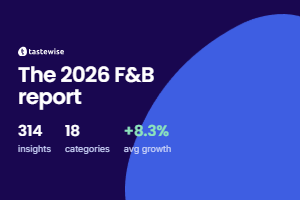
Exploring Foodservice Industry Trends 2025: What’s Next for Dining and Innovation
A data-driven guide to building faster, smarter, and more competitive foodservice operations
Download the Ebook Now:


















In this eBook:
- Why speed is your top edge in a $1.5t market
- How to master delivery-first menu design
- What CPG brands gain from foodservice
- Why packaging is your new branding tool
- How AI and modular kitchens drive profits

Economic shifts driving foodservice
- A $1.5T industry grows at 6.2–7.3% CAGR, fueled by digital ordering and non-commercial formats like hospitals.
- Speed and efficiency are key to winning.
- Learn terms like ghost kitchens and menu engineering to lead, not follow, in a fast-evolving industry.
- Equip your team with the language that drives smarter decisions.
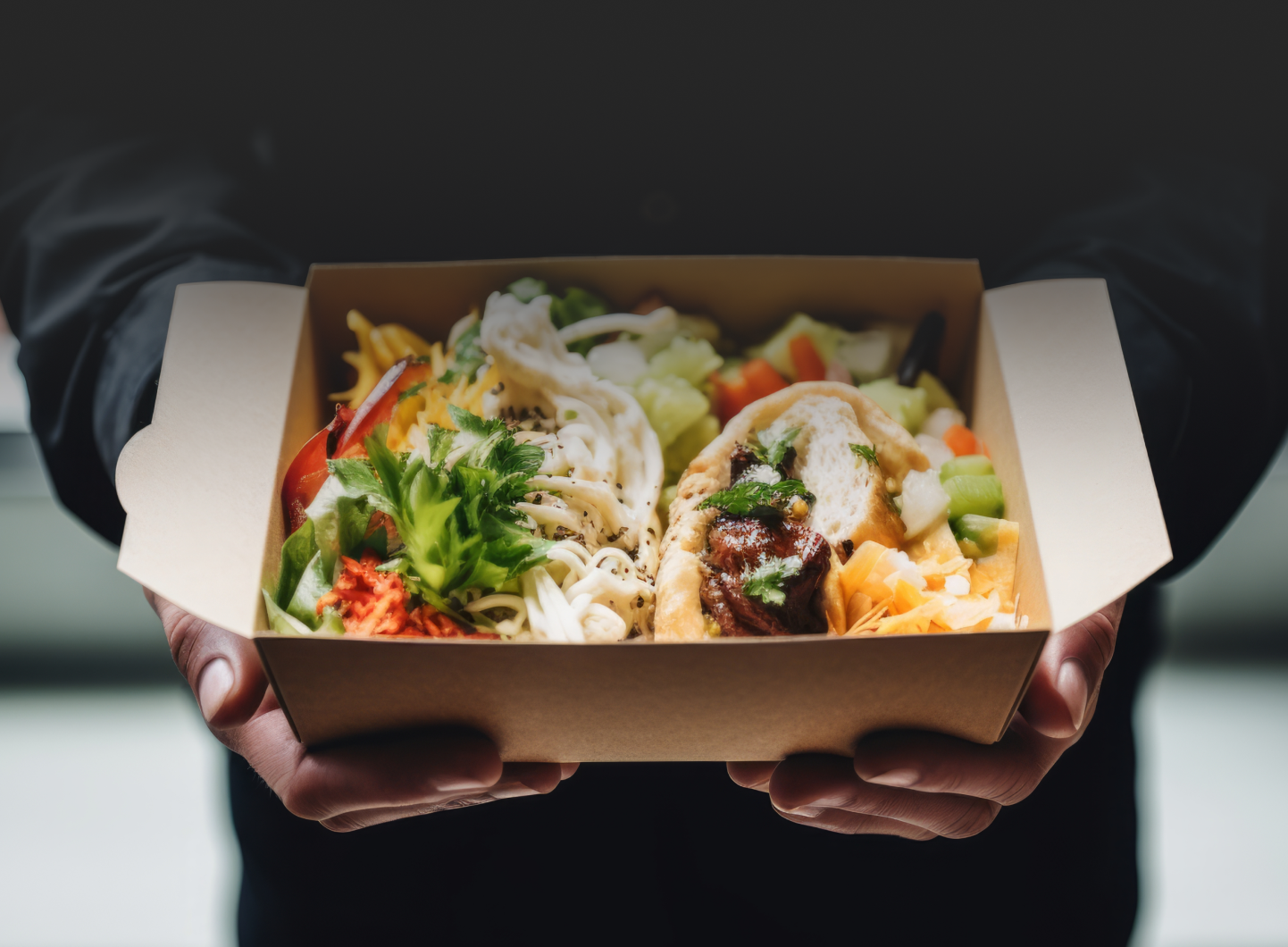
The new foodservice language

Execution: your winning edge
- Fast execution with modular setups and AI tools turns insights into profits in days, not months.
- Move from strategy to action, faster than ever before.
The future of foodservice industry trends 2025
The foodservice industry trends 2025 point toward transformation driven by technology, sustainability, and changing consumer preferences. As restaurants evolve, operators are integrating smart services that enhance speed and experience, helping businesses stay ahead in a competitive industry. The growth of the restaurant industry continues to rely on data-backed decision-making, from menu design to packaging innovation. This report explores how digital tools, eco-conscious initiatives, and operational agility will shape the next phase of food and beverage success.
Technology and the restaurant experience
Technology is redefining how restaurants connect with consumers. From AI-driven menu optimization to real-time inventory tracking, the impact of digital transformation extends beyond kitchen operations to the customer experience. Whether in fast casual formats or high-end restaurants, brands leveraging technology gain powerful insights that drive efficiency and profitability. Local restaurant operators adopting these innovations will see stronger community ties and faster growth, ensuring their services remain relevant in a rapidly changing industry.
Sustainability and local growth
Sustainability is no longer optional, it’s the standard for foodservice success in 2025. Operators that embrace sustainable sourcing, recyclable packaging, and energy-efficient services attract loyal consumers who value local and ethical dining. As food and beverage companies align with these values, they’re creating a positive impact on both the environment and their bottom line. The restaurant industry is also growing more collaborative, with partners working to improve sustainability standards across supply chains.
Restaurant insights for the modern industry
Modern restaurants rely on actionable insights to make informed, personal business decisions. Understanding consumer trends helps tailor menus and improve customer experience. This report showcases how leading foodservice businesses are adapting through technology, optimizing services, and building stronger relationships with their partners. Whether you operate a single restaurant or manage multiple restaurants, staying informed about foodservice industry trends 2025 gives you the tools to continue leading with confidence.
FAQs about foodervice trends
The key foodservice industry trends 2025 include the rise of AI-powered kitchen technology, greater focus on sustainability, and the expansion of fast casual dining. Restaurants are also investing in smarter packaging, local sourcing, and data-driven insights to improve the consumer experience and drive growth.
Technology enhances the restaurant and foodservice experience by enabling automation, predictive analytics, and real-time order management. These tools allow businesses to optimize services, reduce waste, and increase customer satisfaction, key factors in maintaining a competitive edge in the restaurant industry.
Sustainability directly influences consumer trust and brand loyalty. As diners demand greener practices, restaurants and food and beverage companies that prioritize sustainable packaging, local sourcing, and efficient services will see stronger growth and positive market impact.