





Greece food trends 2026 are converging on three forces at once. Consumers are trading sugary heritage staples for clean-label hydration, leaning into visually driven menu formats, and prioritizing macro-efficient convenience over multi-step preparation. For brands building or defending share in the Greek market, this is the early window to move before the gap closes.
Key takeaways
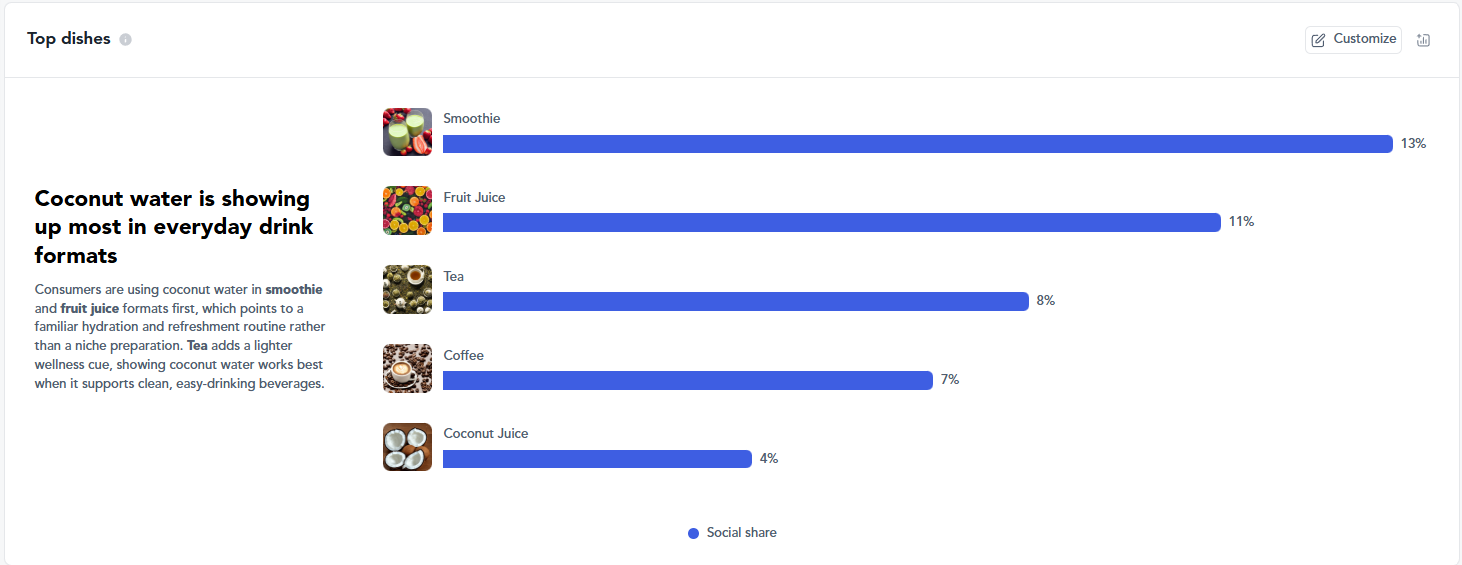
- Coconut water has reached a mature lifecycle stage in the Greek consumer panel, still growing 7% in the past year with a 9.6% menu share in foodservice, making it the most dependable hydration anchor on Greek menus today.
- Ginger is the fastest mover inside that same hydration set, up 49.7% in consumer signal over the past 12 months on social, positioning it as the next ingredient to formulate around.
- The convenient need climbs 25.6% in the past year across retail and foodservice combined, confirming that ease of use has become a primary purchase driver rather than a secondary one.
- Vitamin C claims jump 47.1% in the past 12 months inside the hydration category, showing Greek consumers now pair electrolyte language with immune support instead of treating hydration as a single benefit.
- Dish counts in on-the-go snacking are up 13.7% in the past year across more than 15,000 tracked Greek restaurants, evidence that foodservice operators are already building toward this shift.
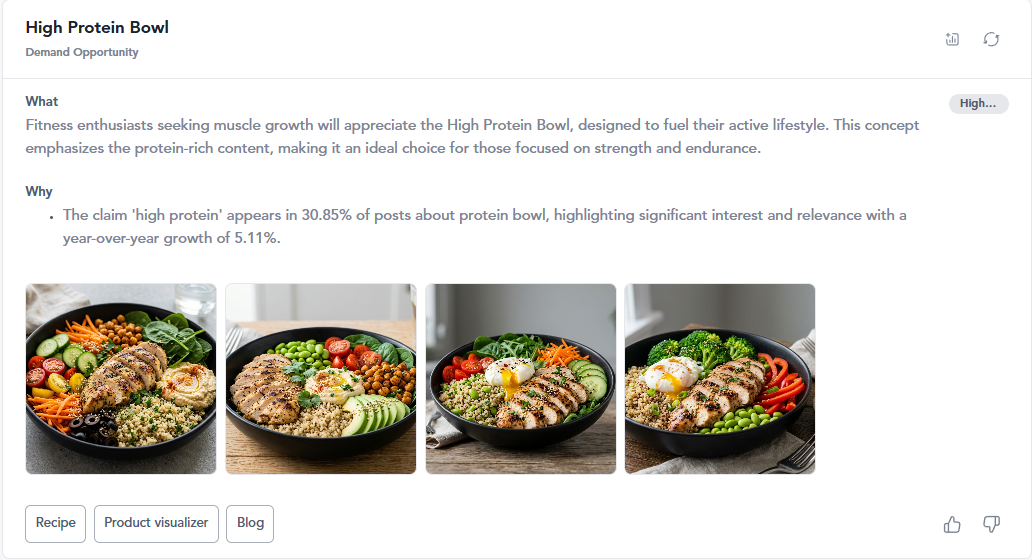
- Early social data on protein bowls and morning wraps shows posts up 50% in the past year, though the base is still small, marking this as a watchlist rather than a proven trend yet.
The data behind Greece food trends 2026
A snapshot of where each pillar of the Greece food trends story stands today, drawn from the Tastewise Greece consumer panel.
| Pillar | Consumer panel | Growth signal | Confidence |
| Clean hydration & electrolytes | 6,020 people, 1,848 restaurants tracked | Dish count up 171.4% in the past year | High, mature anchor ingredients |
| On-the-go convenience | 25,291 people, 15,741 restaurants tracked | Dish count up 13.7% in the past year | High, broad base |
| Protein bowls & morning wraps | 364 people tracked | Posts up 50.0% in the past year | Early signal, small base |
Source: Tastewise Greece consumer panel, rolling 12 months.
Want the underlying dataset behind this pulse, including ingredient-level growth curves for the wider Mediterranean region? Upload your own market brief and the 2026 food and beverage trend forecast will show you how Greece compares.
Why clean hydration and convenience are rewriting the Greek plate
The acceleration behind Greece food trends in 2026 is not a single fad. It is a structural shift toward formats that deliver function without friction, anchored in three macro drivers: holistic hydration built on natural electrolytes, a more visual and shareable approach to everyday meals, and a hard preference for macro-convenient formats over multi-step prep.
Across the Tastewise Greece consumer panel, this shows up as steady double-digit growth in hydration-linked ingredients like ginger, watermelon, and sea salt, a pattern that echoes the wider beverage trends story across Southern Europe, alongside a 25.6% rise in the convenient claim and dish counts climbing across both retail and foodservice. None of these pillars are moving in isolation. They reinforce each other inside the same daily routine.
For corporate R&D and category teams, this combination is a portfolio whitespace. Familiar, high-trust ingredient bases give teams room to de-risk bolder formats across both sweet and savory categories, rather than starting innovation from a blank page. See how product innovation teams are already pressure-testing concepts against this exact data.
How one innovation team turned market noise into a launch brief
An enterprise innovation team trying to track real-time Greece food trends kept hitting the same wall: lagged retail sales reports that arrived months after consumer behavior had already moved, missing fast-changing demand entirely.
By analyzing billions of consumer signals and tracking emerging food trend report data for Greece, the team identified a clear gap for premium, streamlined, single-serve wellness formats built for busy Mediterranean professional routines, and moved into concept testing within weeks instead of quarters.
“We stopped waiting on quarterly retail data to tell us what had already happened. Now we walk into the room with the signal, not the symptom.” — Head of Innovation, enterprise F&B brand
What is pulling Greek consumers away from sugary staples
Greek consumers are not abandoning indulgence outright. They are narrowing when and where they reach for it, a pattern consistent with broader healthy food trends across the region. The healthy claim still leads the hydration set by share, even as it pulls back 13.9% in the past year, while functional, mineral-forward language is filling the space it leaves behind.
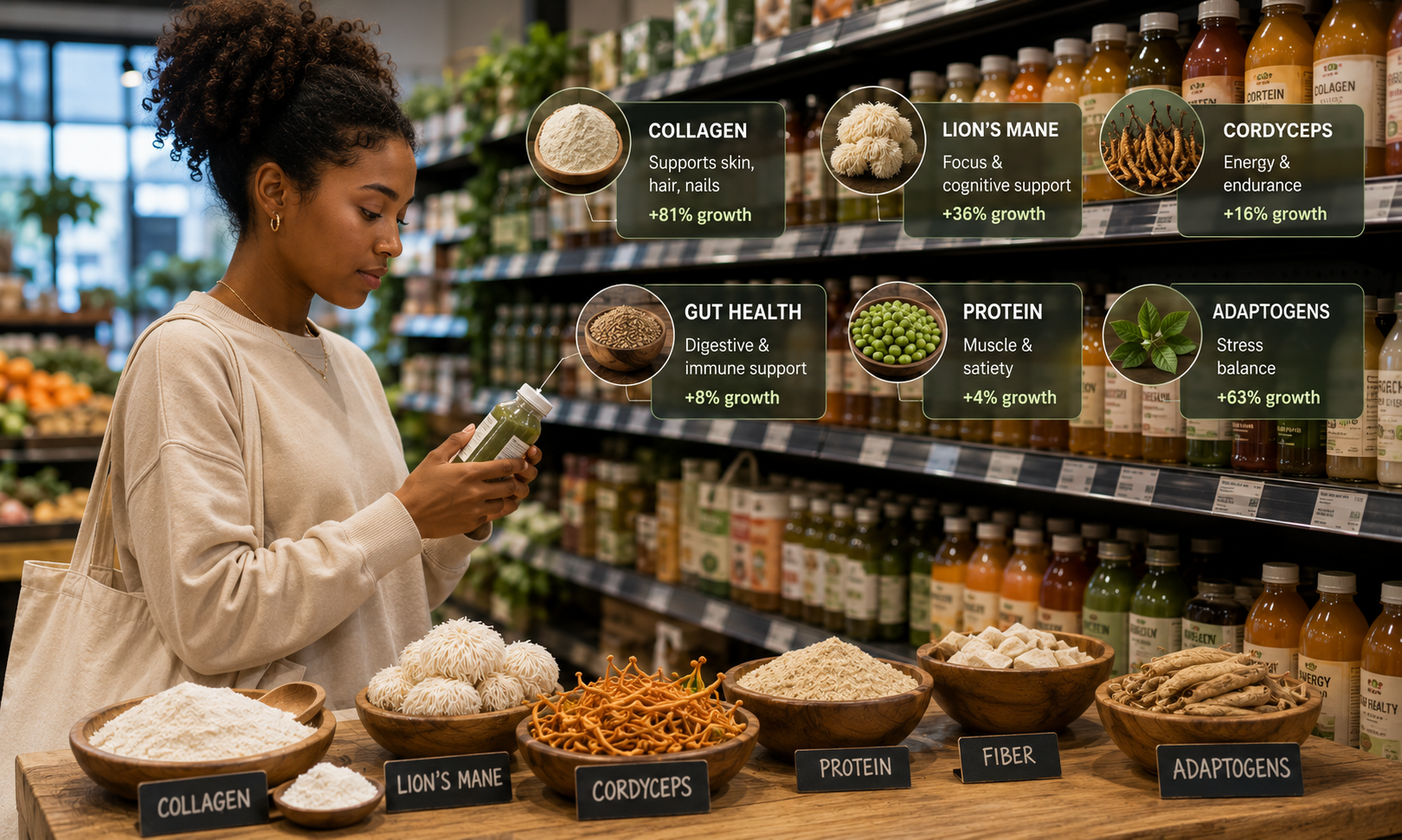
That shift is sharpest during active daytime hours: at the gym, while commuting, or mid-workday. Consumers are leaning into clean, mineral-rich profiles such as potassium, up 10.6% in the past year, and magnesium to maintain energy through travel, exercise, and busy social seasons without overloading on simple carbohydrates or sacrificing flavor.
The result is a Greek consumer who wants the same emotional payoff as a sugary treat, delivered through a cleaner, more functional ingredient set. That distinction matters more for formulation than for marketing copy.
Where the Greek whitespace sits, and what waiting costs
The clearest gap sits between consumer demand and on-shelf or on-menu supply. Convenient and easy are both growing faster than the broader category average inside the Greek panel, yet most current formats still ask consumers to do more preparation than their stated behavior suggests they want.
Waiting carries a real cost. Ingredients like ginger, beetroot, and watermelon are already compounding double-digit growth from a small base. The brand that formulates around them first builds the trust association before a category leader claims it, while the brand that waits inherits a more crowded, more expensive shelf.
- Projected category growth: sustained double-digit gains in hydration-linked dish counts, consistent with the 171.4% rise already logged in the past 12 months.
- Unmet demand signal: the convenient claim is growing faster than menu and shelf formats are currently meeting it, a gap most visible in single-serve hydration and snacking.
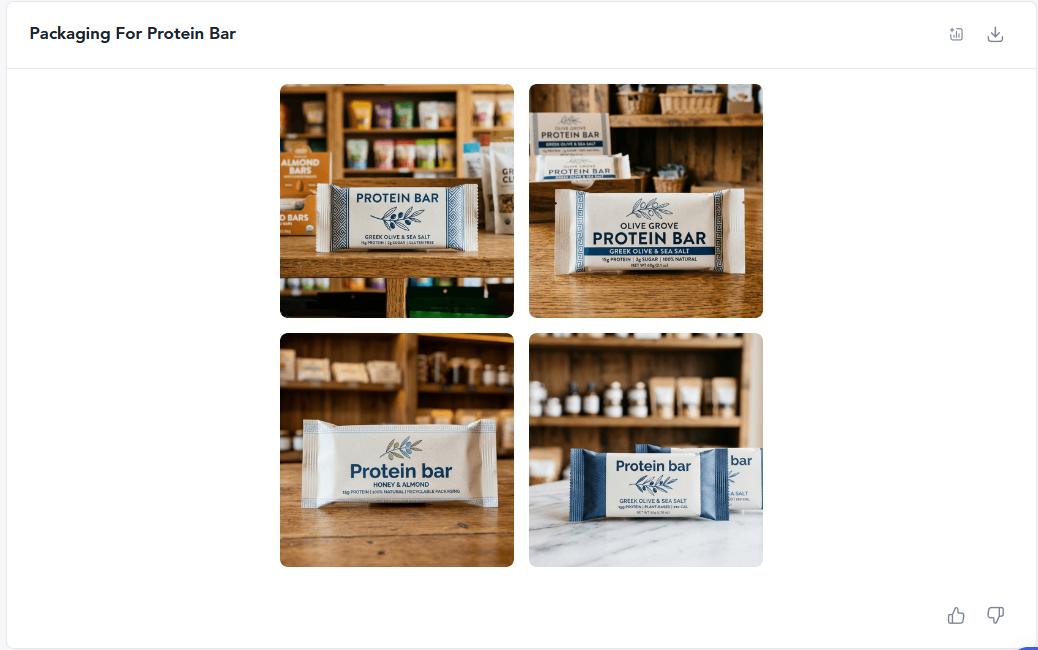
The clearest move is a pivot away from traditional multi-serve layouts and toward on-the-go, micro-convenience premiumization: single-serve squeeze pouches, dual-compartment mix-in formats, and clean-label packaging built for fitness-oriented daytime consumption.
How the same trend shows up at home, on menus and on social in Greece
At home, Greek cooks are searching for recipes that use clean, functional ingredients as versatile staples rather than occasional treats, from blended frozen drinks to protein-forward doughs built for batch prep.
Out of home, the same ingredients are showing up as both a functional anchor and a visual one. Operators are pairing wholesome, familiar flavors with more deliberate plating and presentation across fast-casual menus in Greece’s larger metro areas, which is exactly the kind of format that travels well on social.
The starkest gap sits between attention and availability. Hydration and electrolyte ingredients post strong social engagement growth, yet menu share for several of the fastest movers, including ginger and watermelon, still sits in the low single digits, a classic tried-and-tested signal with real headroom left to claim. Large beverage portfolios are already adjusting, a shift visible in Coca-Cola trends coverage of functional reformulation. QSR and fast-casual are the fastest-growing channels for this shift in Greece, driven by demand for protein bowls and morning wraps, an early-stage but accelerating format worth tracking through custom audience segmentation as it matures.
Six ingredients leading the Greek functional shift
| Ingredient | Lifecycle stage | Growth (past year) |
| Coconut water | Mature | +7.0% |
| Ginger | Emerging | +49.7% |
| Watermelon | Emerging | +30.5% |
| Beetroot | Early | +73.7% |
| Sea salt | Early | +13.8% |
| Honey | Emerging | +34.0% |
Where demand concentrates across the Greek market
Demand for this shift is not evenly spread. Athens and Thessaloniki carry the bulk of fast-casual and QSR menu innovation, where morning wraps and protein bowls are most likely to appear first. The Greek islands skew differently, with tourism-driven foodservice favoring grab-and-go hydration formats during peak season over the dine-in occasions more common on the mainland.
A city-level data pull would sharpen this further, including precise market penetration and growth figures by region. Until that pull runs, treat the mainland-versus-island contrast as a directional planning input rather than a finished number.
What R&D, marketing and sales should do next in the Greek market
- R&D: prioritize single-serve, clean-label formats built around ginger, beetroot, and coconut water, the three ingredients with the clearest combination of reach and acceleration in the Greek panel.
- Marketing: lead claims with potassium and vitamin C language rather than generic wellness terms, since both are growing faster than the broader healthy claim and read as more specific and credible.
- Sales: build the buyer story around the menu share gap in hydration ingredients. A category where consumer attention is outpacing on-shelf and on-menu supply is the easiest whitespace argument to make in a retailer or operator meeting.
Teams running this playbook typically pair it with consumer marketing support to keep claims language consistent from formulation through to launch.
About this data
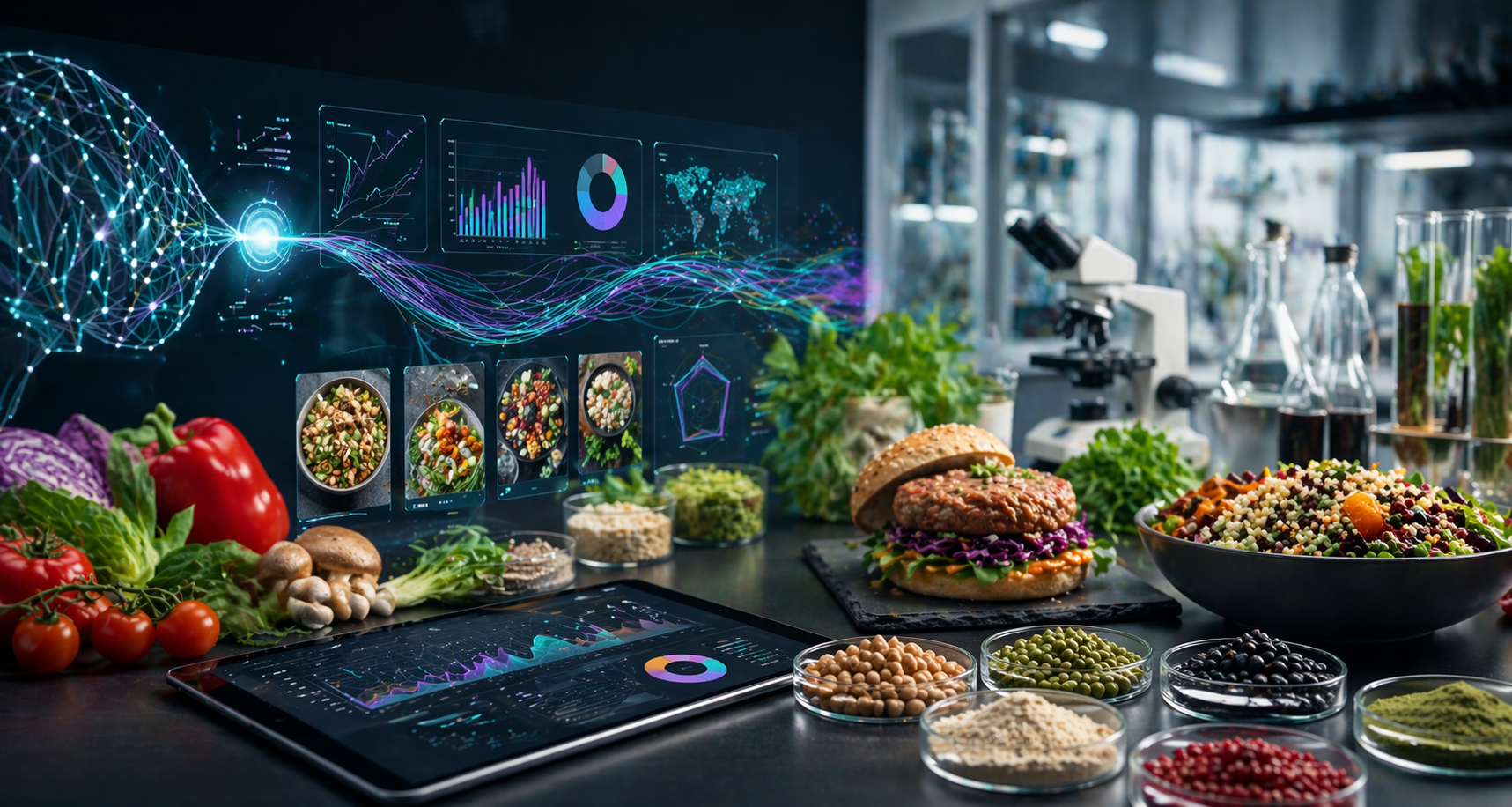
The insights in this report are powered by Tastewise’s agentic AI, which analyzes consumer behavior across social platforms, restaurant menus, and retail shelf data to provide a real-time view of Greece food trends.
- Social and consumer panel: more than 25,000 Greek consumers tracked across the convenience and hydration data sets used in this report.
- Menu intelligence: over 15,000 Greek restaurants tracked for on-the-go and convenience dish data.
- Update cadence: rolling 12-month windows, refreshed continuously.
By blending consumer behavior signals with restaurant and retail data, Tastewise gives brands a defensible, current view of demand for teams looking to move ahead of the next Greek market shift instead of reacting to it. For additional context on category-wide growth, Mordor Intelligence’s functional beverage outlook projects the global functional beverage market growing at a 7.9% compound annual rate through 2031, a backdrop consistent with the acceleration seen in the Greek panel.
FAQs about Greece food trends
Clean-label hydration, functional ingredients, and on-the-go convenience are leading. Dish counts inside the Greek hydration and electrolyte set are up 171.4% in the past 12 months, and the convenient claim is up 25.6% in the same period, making these the two clearest signals in the market today.
Ginger, watermelon, and beetroot are the fastest movers, each up more than 30% in consumer signal over the past year. Coconut water remains the most established anchor, still adding 7% growth even at a mature lifecycle stage.
Yes. It is one of the strongest signals in the Greek market right now, with dish counts inside the hydration and electrolyte set up 171.4% in the past 12 months and core ingredients like coconut water continuing to add share.
Because consumers are fitting functional choices into travel, exercise, and workday routines rather than treating them as separate occasions. The convenient claim is up 25.6% in the past year, faster than most indulgence-led claims in the same panel.
Yes, though it is still an early signal in Greece specifically. Posts referencing protein bowls and morning wraps are up 50% in the past year, but the tracked consumer base is still small, so this reads as a watchlist trend rather than an established one yet.
It comes from the Tastewise consumer panel, which tracks real consumer behavior across social platforms, restaurant menus, and retail shelf data. Most pillars in this report sit on a base of 6,000 to over 25,000 tracked people, with smaller or emerging signals flagged as early rather than confirmed.

Read more from Kelia Losa Reinoso

We’d love to learn your goals and see how Tastewise fits
We’d love to learn your goals and see how Tastewise fits
Get a personalized demo
Good taste. Wise move.
Your demo request is confirmed. We’ll reach out within one business day to schedule your walkthrough.
What happens next

See what’s driving demand, then turn it into a sell-in story for retailers and operators.
- Connect consumer panels, market trackers, and agents into one evidence view
- Get the “why” behind what’s changing, with explainable demand drivers
- Walk away with a buyer-ready narrative and next steps to activate
Trusted by





“Tastewise is my secret tool for knowing what consumers want next and why.“